Iron deficiency anemia is a condition where the body lacks sufficient iron to produce healthy red blood cells that carry oxygen throughout the body. It is caused by inadequate dietary iron intake, blood loss from menstruation or gastrointestinal bleeding, or poor iron absorption in the digestive tract. The Ferritin Serum test is the most important test for diagnosis because it measures the body's iron stores and detects deficiency before anemia fully develops.
90-day money-back guaranteeLab order in minutesSave a trip to the doctorLow prices since 2005Labs within 2 miles
What causes iron deficiency anemia?
Iron deficiency anemia is caused by insufficient iron available for red blood cell production. The most common causes include chronic blood loss from heavy menstrual periods or gastrointestinal bleeding from ulcers or colon polyps, inadequate dietary iron intake especially in vegetarians and vegans, pregnancy when iron demands increase dramatically, and poor iron absorption due to conditions like celiac disease or inflammatory bowel disease. Additionally, Helicobacter pylori bacterial infections in the stomach can interfere with iron absorption and contribute to deficiency over time.
What is the best test for iron deficiency anemia?
The Ferritin Serum test is the most important test for iron deficiency anemia because it measures your body's iron stores and detects deficiency in its earliest stages, often before anemia fully develops. Low ferritin levels below 30 nanograms per milliliter typically indicate depleted iron reserves. For comprehensive diagnosis, the Iron Serum with TIBC test is essential because it measures circulating iron levels, total iron binding capacity, and calculates iron saturation percentage, creating a characteristic pattern where serum iron is low, TIBC is elevated, and saturation is below 20%. The Transferrin test provides additional confirmation by showing elevated levels as your body attempts to increase iron transport, while the Soluble Transferrin Receptor test detects tissue-level iron deficiency that may not show up on standard tests.
When should I get tested for iron deficiency anemia?
You should get tested if you experience persistent fatigue and weakness that interferes with daily activities, notice pale skin or pale inner eyelids and nail beds, have unexplained shortness of breath during normal activities, experience frequent headaches or dizziness, or have cold hands and feet. Testing is especially important if you have heavy menstrual periods lasting more than seven days, follow a vegetarian or vegan diet with limited iron sources, are pregnant or recently gave birth, have a history of gastrointestinal bleeding or ulcers, or notice cravings for non-food items like ice or dirt (a condition called pica). Early detection through blood testing allows for prompt treatment before symptoms become severe.
What are the symptoms of iron deficiency anemia?
The most common symptoms include persistent fatigue and exhaustion even after adequate rest, pale or yellowish skin tone, shortness of breath especially during physical activity, rapid or irregular heartbeat, frequent headaches and dizziness, cold hands and feet regardless of temperature, brittle nails that may become spoon-shaped, frequent infections due to weakened immunity, and unusual cravings for non-food substances like ice, starch, or dirt. You might also experience restless leg syndrome, sore or swollen tongue, difficulty concentrating or brain fog, and chest pain in severe cases. Many people develop these symptoms gradually and may not notice them until the anemia becomes moderate to severe.
Who is at risk for iron deficiency anemia?
Women of childbearing age are at highest risk due to monthly blood loss from menstruation, with those who have heavy periods particularly vulnerable. Pregnant women require nearly double the normal iron intake to support fetal development and increased blood volume. Infants and children going through rapid growth phases need substantial iron for development. Vegetarians and vegans may struggle to get adequate iron from plant sources alone since non-heme iron from plants is less easily absorbed than heme iron from meat. People with gastrointestinal disorders like celiac disease, Crohn's disease, or inflammatory bowel disease often have impaired iron absorption. Frequent blood donors and individuals with chronic kidney disease or heart failure also face increased risk of developing iron deficiency anemia.
What happens if iron deficiency anemia is left untreated?
Untreated iron deficiency anemia can lead to serious health complications. Your heart must work harder to pump oxygen-depleted blood throughout your body, potentially causing irregular heartbeat, heart murmur, enlarged heart, or even heart failure in severe cases. During pregnancy, untreated anemia increases the risk of premature birth, low birth weight babies, and postpartum depression. Children with prolonged iron deficiency may experience delayed growth, developmental delays, and increased susceptibility to infections due to weakened immune function. Adults often suffer from decreased work productivity, impaired cognitive function, difficulty concentrating, and reduced quality of life. Severe anemia can also cause complications during surgery due to reduced oxygen-carrying capacity and slower wound healing.
Can iron deficiency anemia be diagnosed with a blood test?
Yes, iron deficiency anemia is definitively diagnosed through a combination of blood tests that measure various aspects of iron metabolism. A complete blood count (CBC) reveals low hemoglobin and hematocrit levels, along with smaller than normal red blood cells. The ferritin test measures stored iron in your body and is often the first indicator of deficiency. Serum iron tests measure the amount of iron circulating in your bloodstream, while total iron binding capacity (TIBC) and transferrin saturation show how much iron your blood can carry and what percentage is currently being used. These tests together create a diagnostic pattern that confirms iron deficiency anemia and distinguishes it from other types of anemia.
How is iron deficiency anemia treated?
Treatment focuses on replenishing iron stores and addressing the underlying cause of deficiency. Most people start with oral iron supplements, typically ferrous sulfate taken daily on an empty stomach for better absorption, though it may take several months to restore iron levels. Your doctor may recommend taking iron supplements with vitamin C to enhance absorption while avoiding calcium, antacids, and tea which interfere with iron uptake. If oral supplements cause severe side effects or are ineffective, intravenous iron infusions deliver iron directly into the bloodstream. Treating underlying causes is essential, such as managing heavy menstrual bleeding with hormonal therapy, treating gastrointestinal bleeding sources, or eradicating H. pylori infections. Dietary changes to include more iron-rich foods like red meat, poultry, fish, beans, and fortified cereals support long-term iron maintenance.
How can I prevent iron deficiency anemia?
Prevention starts with consuming adequate dietary iron from both heme sources (meat, poultry, fish) and non-heme sources (beans, lentils, spinach, fortified cereals). Adults need 8-18 milligrams of iron daily depending on age and gender, with menstruating and pregnant women requiring more. Enhance iron absorption by eating iron-rich foods with vitamin C sources like citrus fruits, tomatoes, or bell peppers, and avoid consuming calcium-rich foods, coffee, or tea with iron-rich meals as they inhibit absorption. Women with heavy menstrual periods should discuss treatment options with their doctor to reduce blood loss. Vegetarians and vegans should focus on consuming iron-fortified foods and may benefit from supplements. Regular blood testing helps detect deficiency early, especially if you are in a high-risk group.
What natural remedies help with iron deficiency anemia?
While supplements are often necessary for treatment, several natural approaches support iron levels. Cooking in cast iron skillets adds small amounts of iron to food, especially when preparing acidic dishes like tomato sauce. Blackstrap molasses contains significant iron and can be added to oatmeal or smoothies. Consuming vitamin C-rich foods like oranges, strawberries, kiwi, and bell peppers with iron-rich meals significantly boosts iron absorption. Nettle tea has traditionally been used to support iron levels due to its iron and vitamin C content. Sprouting beans, grains, and seeds reduces phytates that bind iron and inhibit absorption. Avoiding excessive tea and coffee consumption around mealtimes prevents tannins from blocking iron uptake. However, these natural approaches work best for mild deficiency or prevention and should complement rather than replace medical treatment for diagnosed iron deficiency anemia.
How’s this work?
Getting your blood test with us is easy, private & backed by the power of science.
Long story short:
In the test options, use the filters or search box to narrow your choices and find the test you want.
If you need a hand navigating through options, text our super friendly support team at 754-799-7833, and we'll provide tailored suggestions to help you find the ideal test.
Once your order is placed, we’ll create your doctor’s lab order remotely, without any need for you to make a trip to a doctor in person or to talk to the doctor. Expect to receive your doctor’s lab order right in your inbox. It will also be in your patient portal if you need to find it later. We’ll also include instructions regarding fasting and other requirements for your test. Your patient portal will be auto-created hassle-free during checkout.
If this is your first time ordering, you'll be prompted to create a password for instant login access to your patient portal. It's a quick way to conveniently access your orders and results whenever you want.
When you’re ready, visit one of our 4,000 locations. Just bring your ID – no printing or faxing of your lab order is needed, as your order and details will already be in the lab system.
Note that most lab locations don’t accept walk-ins, so it’s best to book an appointment in advance. Don’t worry – we’ll provide detailed instructions along the way.
You’ll get your results via email & SMS and dive into understanding your body better. Yup, that easy!
If you have any questions, please text us at 754-799-7833 or email support@privatemdlabs.com and we'll gladly help you.
How do I know which test to get?
In the test options, find the test you want.
If you’re not sure which test to get, we can lend a hand in finding the right option.
Just text or call us at 754-799-7833, email us at support@privatemdlabs.com, and we'll gladly help you. We've got your back and reply quickly.
Is it possible to make changes to my lab order if I made a mistake with the name, date of birth, or any other details?
Absolutely! We totally understand that errors can happen. No worries, we're here to help you.
Just reach out to us via text at 754-799-7833 or shoot us an email at
support@privatemdlabs.com. Remember to include your order number and let us know the correct information you’d like to update.
Our awesome team will jump right in and make sure everything is sorted out and accurate for you.
There are no changes necessary if your address is wrong on the requisition though. We don’t mail anything out.
Our lab requires an address to be listed to generate an order.
Do you accept health insurance?
Only HSA & FSA is accepted.
Our services are strictly self-pay and cannot be submitted to your health insurance provider except for Health Savings Accounts or Flexible Savings Accounts.
This policy applies to all insurance companies, including federal health insurance programs like Medicare.
You can read more about our cancellation policy here.
How can I find a lab location near me?
During the ordering process, you’ll be able to select a specific lab near you, with no strings attached!
You can switch it up later easily and visit any of our authorized locations as long as it’s the same lab company you selected your test for (Quest Diagnostics or Labcorp).
Before you proceed with your order, feel free to browse through all our lab locations here. This will give you the peace of mind of knowing that there's a lab nearby your home, office or your favorite gym.
Here’s how easy it is to get blood work done on your terms
Order your testSave a trip to the doctor. Your results will come with clear, friendly explanations.Takes 2 minutes
Book an appointmentVisit any of our 4,000 nearby lab locations to have your samples collected.Book or walk-in
Get resultsReceive a clear, easy-to-digest health report by email & SMS within a few business days.Get answers, fast
Here’s why 1,000,000+ customers chose us for affordable hassle-free private blood testing.
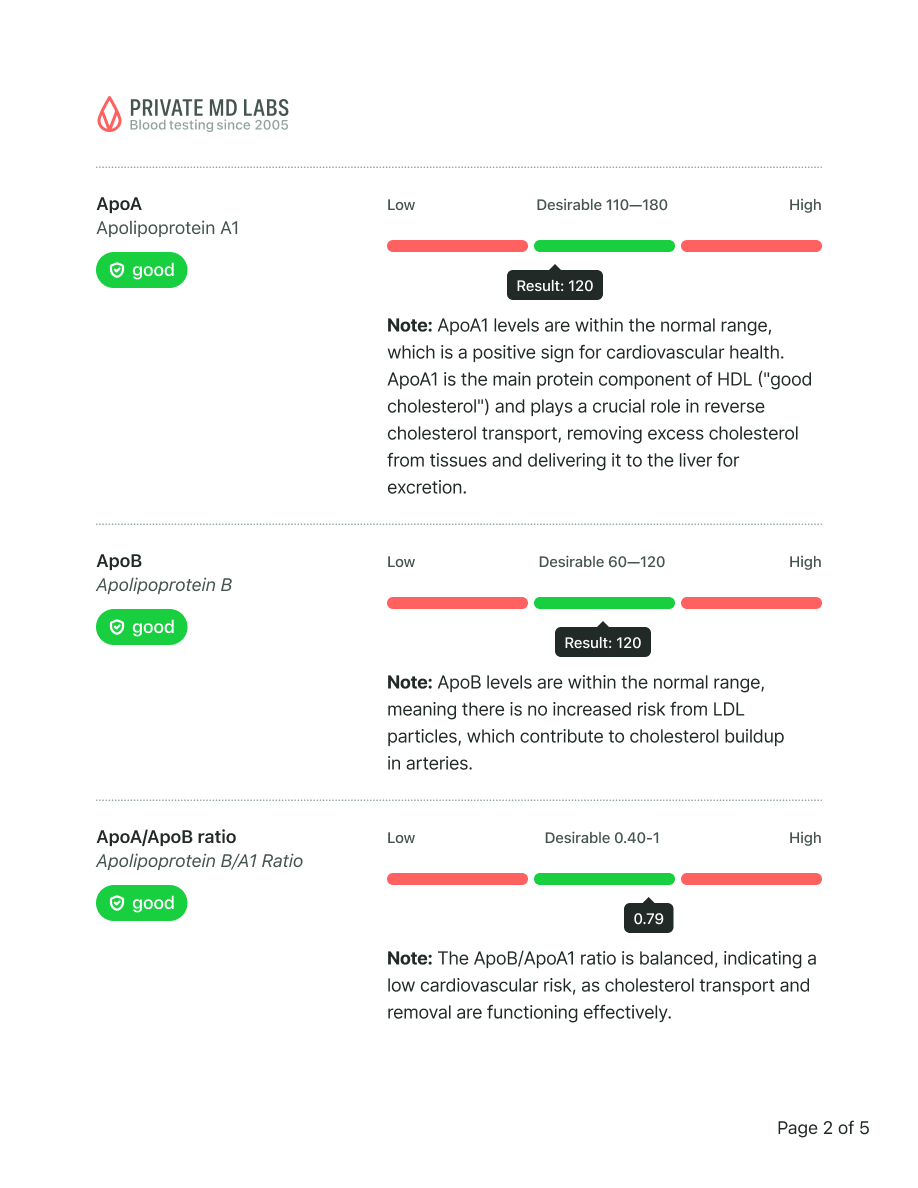
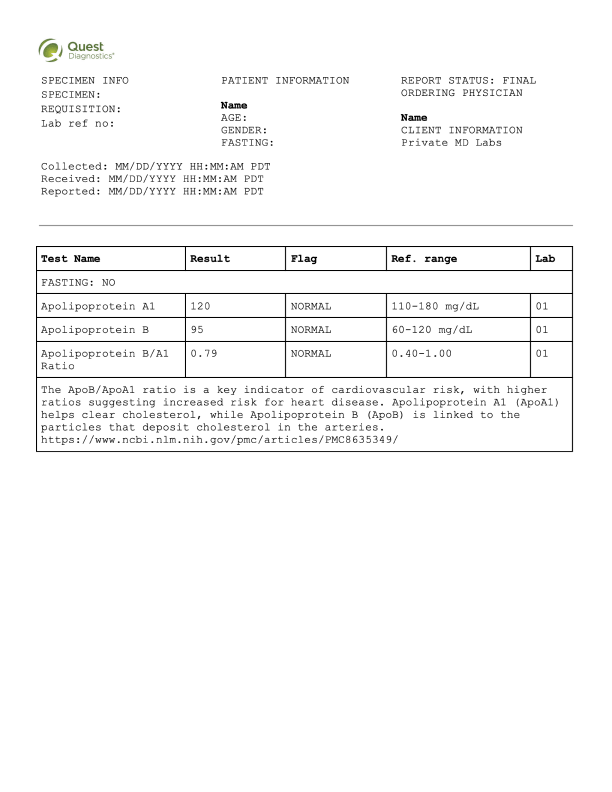
You get clinical lab reports & simplified health insights.
Save time & gas, go straight to the lab. Our doctors cover the rest.
Results start landing the next day after your lab visit.*
We don’t sell or share your data. Your time & privacy matter.
US-licensed doctors have your back if things get unclear.
No hidden fees, nice discounts for regular checkups.
Save a trip to the doctor, go directly to the lab
Instant orders, results often overnight*
Results explained in simple language
Reviewed by US licensed doctors
Fast & confidential, we never sell or share your data
No insurance needed, transparent pricing
Demo results
Testosterone375 ng/dL
Demo results
NormalOptimal 400 - 1000High
375 ng/dL
What this means
Your testosterone levels are slightly below the optimal range. While this is not necessarily cause for concern, it may contribute to occasional fatigue, reduced motivation, or lower muscle mass over time.
Recommended actions
Increase resistance or strength training
Prioritize 7–8 hours of quality sleep per night, try to reduce stress
Include more zinc- and magnesium-rich foods (like shellfish, beef, pumpkin seeds, spinach)
Consider retesting in 3–6 months
* Regular blood test results (e.g., CBC) typically start arriving the next business day after sample collection. More complex tests, such as hormone panels, may take up to 10–15 business days due to their complexity.
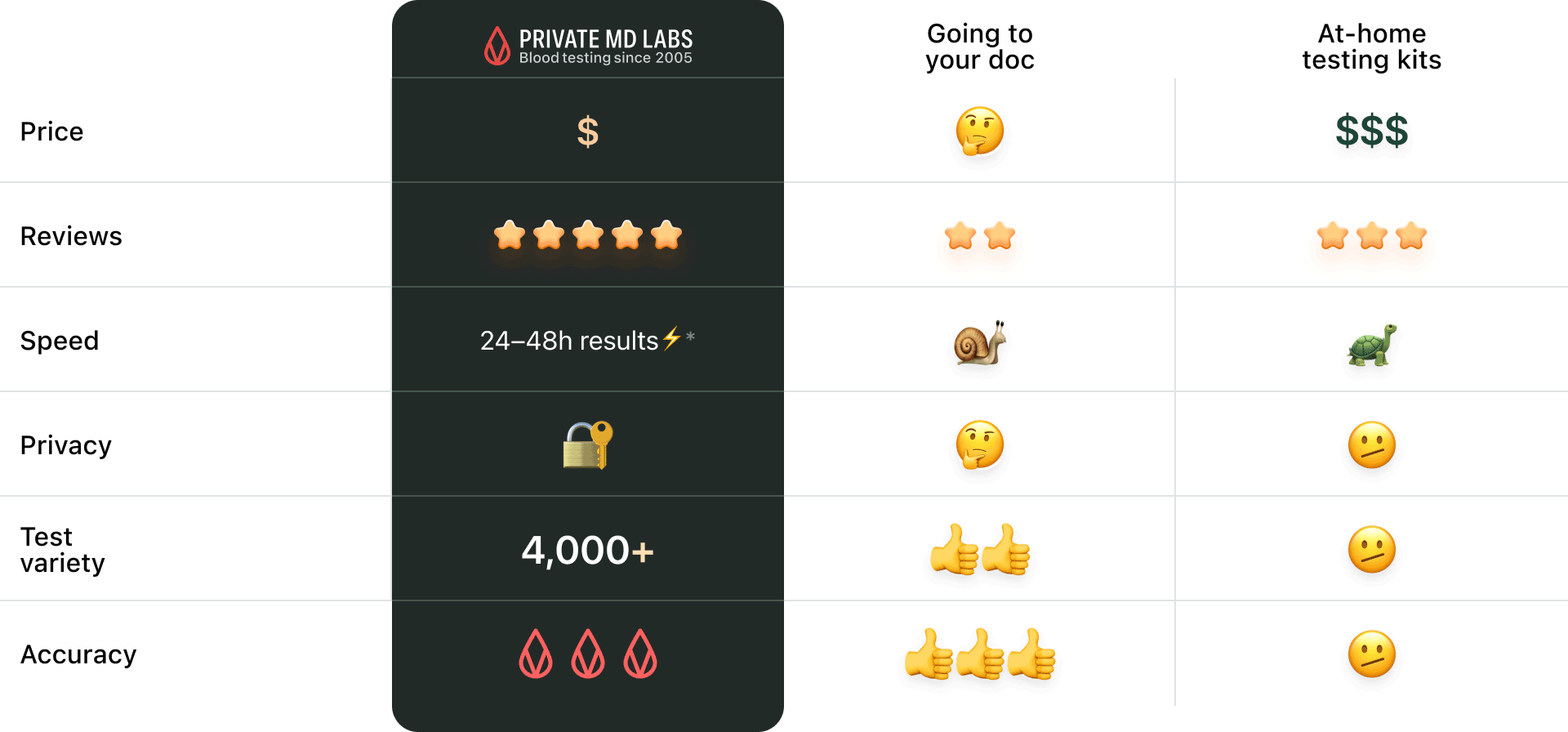
Us vs. Them
Not overhyped or overpriced. Just comprehensive blood testing made simple and for everyone.
* Regular blood test results (e.g., CBC) typically start arriving the next business day after sample collection. More complex tests, such as hormone panels, may take up to 10–15 business days due to their complexity.
1,000,000+ blood tests later, here's what our customers say
Estradiol Ultrasensitive results may get delayed due to high lab volume.It’s a nationwide delay affecting all labs (not just us). Standard processing times apply to all other tests in this panel.
Lipoprotein extended turnaround
Lipoprotein Fractionation, Ion Mobility results may get delayed due to high lab volume.It’s a nationwide delay affecting all labs (not just us). Standard processing times apply to all other tests in this panel.
Pregnenolone extended turnaround
Pregnenolone results may get delayed due to high lab volume.It’s a nationwide delay affecting all labs (not just us). Standard processing times apply to all other tests in this panel.



 90-day money-back guarantee
 Lab order in minutes
 Save a trip to the doctor
 Low prices since 2005
 Labs within 2 miles