Infectious diseases are illnesses caused by pathogenic microorganisms including bacteria, viruses, parasites, or fungi that invade the body. They are caused by specific pathogens such as Streptococcus bacteria, influenza virus, Plasmodium parasites, or Candida fungi that trigger immune responses. The IgG, IgA Indirect Immunofluorescence test is the most important test for diagnosis because it detects specific antibody responses to these infectious agents.
90-day money-back guaranteeLab order in minutesSave a trip to the doctorLow prices since 2005Labs within 2 miles
What causes infectious diseases?
Infectious diseases are caused by pathogenic microorganisms that invade and multiply in the body. Bacteria like Streptococcus and Staphylococcus aureus, viruses such as influenza and HIV, parasites including Plasmodium (malaria) and Giardia, and fungi like Candida albicans are common infectious agents. These pathogens enter the body through various routes including respiratory droplets, contaminated food or water, insect bites, or direct contact with infected individuals. Once inside, they trigger immune responses as your body attempts to fight off the invaders, leading to inflammation and the characteristic symptoms of infection.
What is the best test for infectious diseases?
The IgG, IgA Indirect Immunofluorescence test is the most important test for infectious diseases because it detects specific antibodies your immune system produces in response to viral, bacterial, and parasitic infections. This comprehensive test identifies both IgG antibodies, which indicate past exposure or immunity and can persist for months to years, and IgA antibodies, which signal recent or active infections and are particularly important for mucosal immunity. The indirect immunofluorescence technique provides highly specific results by using fluorescent markers to identify antibody-antigen reactions, allowing for accurate diagnosis of various infectious agents when the pathogen itself is difficult to detect directly.
When should I get tested for infectious diseases?
You should get tested if you experience persistent fever lasting more than a few days, unexplained fatigue or weakness, recurring infections, night sweats, or symptoms that don't improve with standard treatment. Testing is also important if you have been exposed to someone with a known infection, have recently traveled to areas with endemic diseases, or have a weakened immune system due to conditions like diabetes or HIV. Early detection through blood testing helps identify the specific pathogen causing your symptoms, allowing for targeted treatment and preventing potential complications or transmission to others.
What are the symptoms of infectious diseases?
Symptoms of infectious diseases vary depending on the type of pathogen but commonly include fever, chills, body aches, and fatigue as your immune system fights the infection. Respiratory infections often cause cough, sore throat, and congestion, while gastrointestinal infections lead to nausea, vomiting, diarrhea, and abdominal pain. You might also notice swollen lymph nodes, skin rashes, headaches, or localized pain and redness at the site of infection. Some infections cause specific symptoms like jaundice in hepatitis, joint pain in Lyme disease, or persistent cough in tuberculosis.
Who is at risk for infectious diseases?
People with weakened immune systems are at highest risk, including those with HIV/AIDS, cancer patients undergoing chemotherapy, organ transplant recipients taking immunosuppressant drugs, and individuals with chronic conditions like diabetes. Young children and elderly adults have less robust immune defenses, making them more susceptible to infections. Healthcare workers, travelers to endemic regions, people living in crowded conditions, and those with poor nutrition or inadequate access to clean water and sanitation face increased exposure risks. Additionally, individuals who skip vaccinations or engage in high-risk behaviors like unprotected sexual contact or injection drug use are more vulnerable to specific infectious diseases.
What happens if infectious diseases are left untreated?
Untreated infectious diseases can progress from mild symptoms to serious complications that affect multiple organ systems. Bacterial infections like strep throat can lead to rheumatic fever affecting the heart, while untreated urinary tract infections can cause kidney damage or life-threatening sepsis. Chronic viral infections such as hepatitis B or C can result in liver cirrhosis and cancer over time. Some infections can spread to the bloodstream causing septicemia, or to the brain causing meningitis or encephalitis, both potentially fatal conditions. Additionally, untreated infections pose public health risks by allowing continued transmission to family members and the community.
Can infectious diseases be diagnosed with a blood test?
Yes, blood tests are essential tools for diagnosing infectious diseases by detecting antibodies, antigens, or the genetic material of pathogens in your bloodstream. Antibody tests like IgG and IgA immunofluorescence identify your immune system's response to specific infections, indicating current, recent, or past exposure. Direct detection methods can identify bacterial DNA, viral RNA, or parasitic antigens, while blood cultures can grow bacteria or fungi from your blood sample for identification. Blood tests also measure inflammatory markers like C-reactive protein and white blood cell counts that indicate infection severity, providing comprehensive information when the pathogen itself is difficult to culture or identify through other methods.
How are infectious diseases treated?
Treatment depends on the type of pathogen causing the infection. Bacterial infections are treated with specific antibiotics such as amoxicillin, azithromycin, or ciprofloxacin that target the bacteria's cellular structure or reproduction. Viral infections may require antiviral medications like oseltamivir for influenza or acyclovir for herpes, though many viral illnesses resolve with supportive care including rest, fluids, and fever reducers. Fungal infections need antifungal drugs like fluconazole or amphotericin B, while parasitic diseases require antiparasitic medications such as metronidazole or antimalarial drugs. Your healthcare provider will select treatment based on your specific diagnosis, symptom severity, and overall health status.
How can I prevent infectious diseases?
Prevention starts with proper hand hygiene by washing hands frequently with soap and water for at least 20 seconds, especially before eating or after using the bathroom. Stay up to date with vaccinations for diseases like influenza, hepatitis, measles, and COVID-19 to build immunity before exposure. Practice safe food handling by cooking meat thoroughly, washing produce, and avoiding unpasteurized dairy products. Use protection during sexual activity to prevent sexually transmitted infections, avoid sharing needles or personal items like razors, and maintain a clean living environment. When traveling to high-risk areas, take appropriate precautions like antimalarial medications, drink bottled water, and avoid insect bites by using repellents and protective clothing.
What natural remedies help with infectious diseases?
While natural remedies cannot replace medical treatment for serious infections, certain approaches can support your immune system and symptom relief. Adequate rest allows your body to focus energy on fighting infection, while staying well-hydrated with water, herbal teas, and broths helps flush out toxins and maintain bodily functions. Foods rich in vitamin C (citrus fruits, bell peppers), zinc (nuts, seeds, legumes), and vitamin D support immune function, and probiotics from yogurt or fermented foods help maintain healthy gut bacteria. Honey can soothe throat irritation and has antimicrobial properties, while garlic contains allicin with natural antibacterial effects. Ginger and turmeric have anti-inflammatory properties that may reduce symptoms, but always consult your healthcare provider before using supplements, especially if you are taking medications or have severe symptoms.
How’s this work?
Getting your blood test with us is easy, private & backed by the power of science.
Long story short:
In the test options, use the filters or search box to narrow your choices and find the test you want.
If you need a hand navigating through options, text our super friendly support team at 754-799-7833, and we'll provide tailored suggestions to help you find the ideal test.
Once your order is placed, we’ll create your doctor’s lab order remotely, without any need for you to make a trip to a doctor in person or to talk to the doctor. Expect to receive your doctor’s lab order right in your inbox. It will also be in your patient portal if you need to find it later. We’ll also include instructions regarding fasting and other requirements for your test. Your patient portal will be auto-created hassle-free during checkout.
If this is your first time ordering, you'll be prompted to create a password for instant login access to your patient portal. It's a quick way to conveniently access your orders and results whenever you want.
When you’re ready, visit one of our 4,000 locations. Just bring your ID – no printing or faxing of your lab order is needed, as your order and details will already be in the lab system.
Note that most lab locations don’t accept walk-ins, so it’s best to book an appointment in advance. Don’t worry – we’ll provide detailed instructions along the way.
You’ll get your results via email & SMS and dive into understanding your body better. Yup, that easy!
If you have any questions, please text us at 754-799-7833 or email support@privatemdlabs.com and we'll gladly help you.
How do I know which test to get?
In the test options, find the test you want.
If you’re not sure which test to get, we can lend a hand in finding the right option.
Just text or call us at 754-799-7833, email us at support@privatemdlabs.com, and we'll gladly help you. We've got your back and reply quickly.
Is it possible to make changes to my lab order if I made a mistake with the name, date of birth, or any other details?
Absolutely! We totally understand that errors can happen. No worries, we're here to help you.
Just reach out to us via text at 754-799-7833 or shoot us an email at
support@privatemdlabs.com. Remember to include your order number and let us know the correct information you’d like to update.
Our awesome team will jump right in and make sure everything is sorted out and accurate for you.
There are no changes necessary if your address is wrong on the requisition though. We don’t mail anything out.
Our lab requires an address to be listed to generate an order.
Do you accept health insurance?
Only HSA & FSA is accepted.
Our services are strictly self-pay and cannot be submitted to your health insurance provider except for Health Savings Accounts or Flexible Savings Accounts.
This policy applies to all insurance companies, including federal health insurance programs like Medicare.
You can read more about our cancellation policy here.
How can I find a lab location near me?
During the ordering process, you’ll be able to select a specific lab near you, with no strings attached!
You can switch it up later easily and visit any of our authorized locations as long as it’s the same lab company you selected your test for (Quest Diagnostics or Labcorp).
Before you proceed with your order, feel free to browse through all our lab locations here. This will give you the peace of mind of knowing that there's a lab nearby your home, office or your favorite gym.
Here’s how easy it is to get blood work done on your terms
Order your testSave a trip to the doctor. Your results will come with clear, friendly explanations.Takes 2 minutes
Book an appointmentVisit any of our 4,000 nearby lab locations to have your samples collected.Book or walk-in
Get resultsReceive a clear, easy-to-digest health report by email & SMS within a few business days.Get answers, fast
Here’s why 1,000,000+ customers chose us for affordable hassle-free private blood testing.
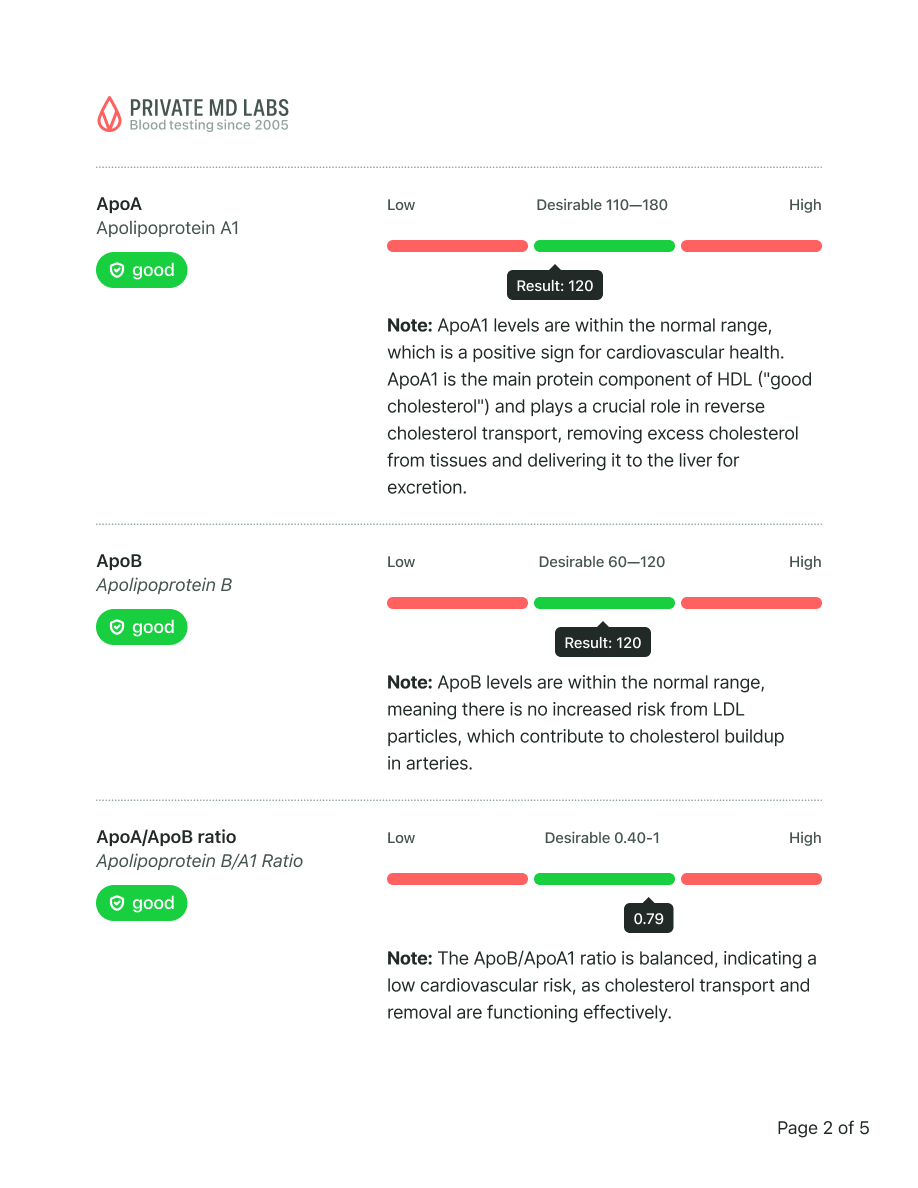
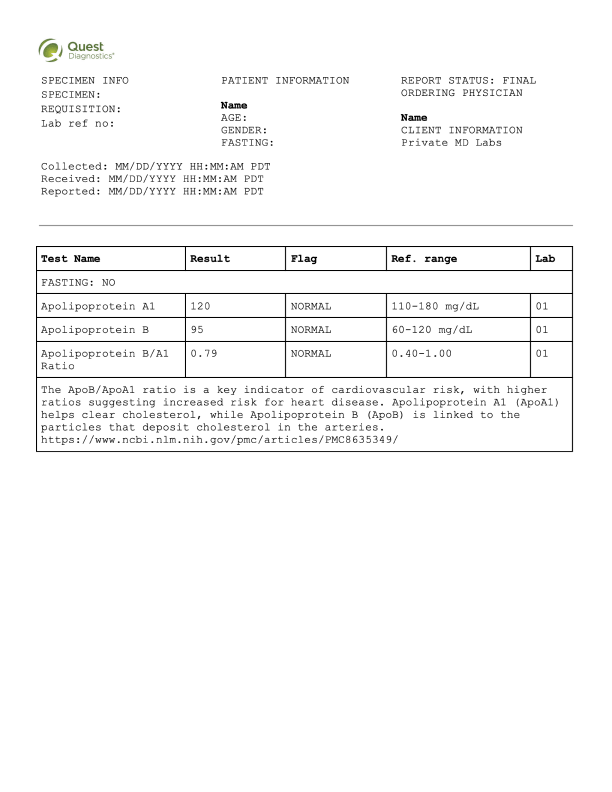
You get clinical lab reports & simplified health insights.
Save time & gas, go straight to the lab. Our doctors cover the rest.
Results start landing the next day after your lab visit.*
We don’t sell or share your data. Your time & privacy matter.
US-licensed doctors have your back if things get unclear.
No hidden fees, nice discounts for regular checkups.
Save a trip to the doctor, go directly to the lab
Instant orders, results often overnight*
Results explained in simple language
Reviewed by US licensed doctors
Fast & confidential, we never sell or share your data
No insurance needed, transparent pricing
Demo results
Testosterone375 ng/dL
Demo results
NormalOptimal 400 - 1000High
375 ng/dL
What this means
Your testosterone levels are slightly below the optimal range. While this is not necessarily cause for concern, it may contribute to occasional fatigue, reduced motivation, or lower muscle mass over time.
Recommended actions
Increase resistance or strength training
Prioritize 7–8 hours of quality sleep per night, try to reduce stress
Include more zinc- and magnesium-rich foods (like shellfish, beef, pumpkin seeds, spinach)
Consider retesting in 3–6 months
* Regular blood test results (e.g., CBC) typically start arriving the next business day after sample collection. More complex tests, such as hormone panels, may take up to 10–15 business days due to their complexity.
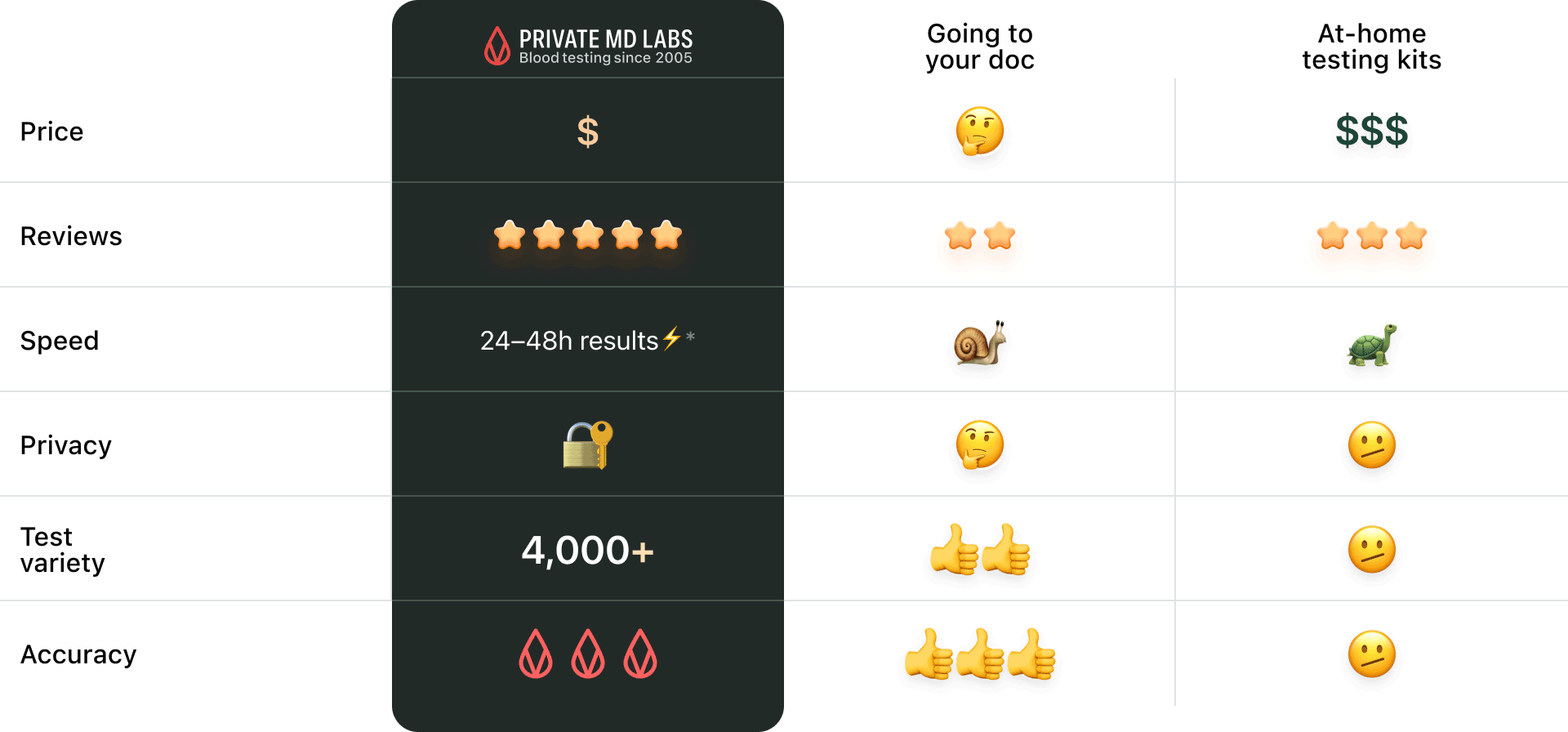
Us vs. Them
Not overhyped or overpriced. Just comprehensive blood testing made simple and for everyone.
* Regular blood test results (e.g., CBC) typically start arriving the next business day after sample collection. More complex tests, such as hormone panels, may take up to 10–15 business days due to their complexity.
1,000,000+ blood tests later, here's what our customers say
Estradiol Ultrasensitive results may get delayed due to high lab volume.It’s a nationwide delay affecting all labs (not just us). Standard processing times apply to all other tests in this panel.
Lipoprotein extended turnaround
Lipoprotein Fractionation, Ion Mobility results may get delayed due to high lab volume.It’s a nationwide delay affecting all labs (not just us). Standard processing times apply to all other tests in this panel.
Pregnenolone extended turnaround
Pregnenolone results may get delayed due to high lab volume.It’s a nationwide delay affecting all labs (not just us). Standard processing times apply to all other tests in this panel.



 90-day money-back guarantee
 Lab order in minutes
 Save a trip to the doctor
 Low prices since 2005
 Labs within 2 miles