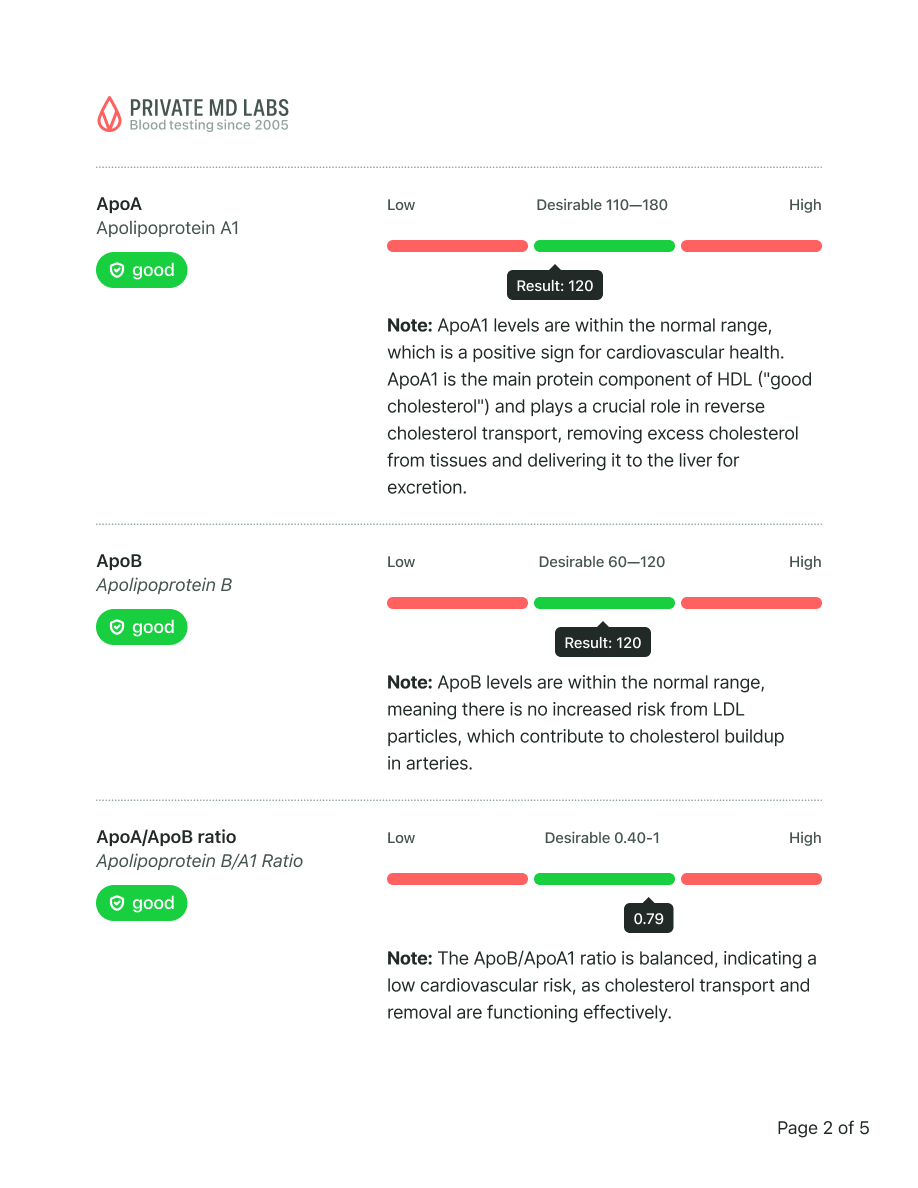
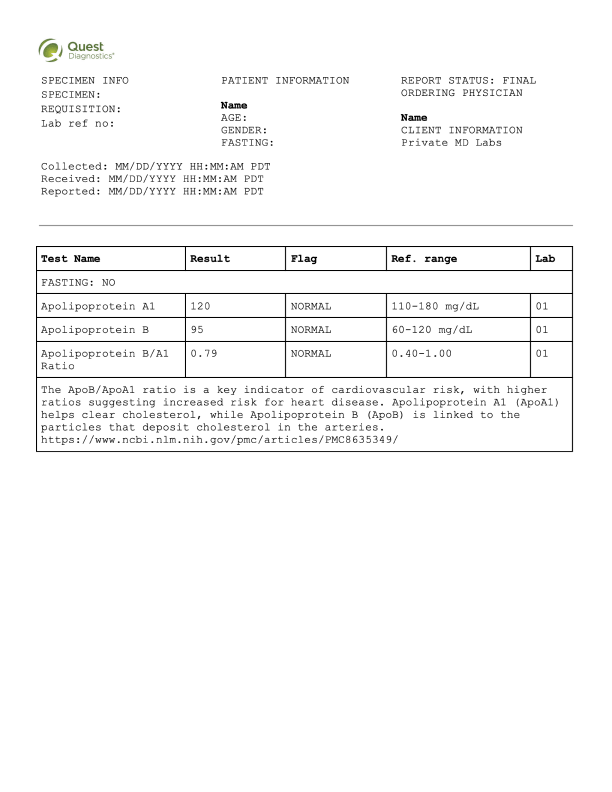
Sample results
IgM deficiency is a rare primary immunodeficiency disorder characterized by abnormally low levels of immunoglobulin M antibodies in the blood. It is caused by impaired B-cell production of IgM, the first antibody the immune system produces when fighting infections. The IgM blood test is the most important test for diagnosis, as it directly measures IgM antibody concentrations to confirm deficiency.
IgM deficiency is caused by impaired B-cell production of immunoglobulin M antibodies, which are the first line of defense against infections. This deficiency can be genetic or acquired, resulting from mutations affecting B-cell development or antibody production pathways. When the body cannot produce adequate IgM antibodies, it becomes vulnerable to recurrent bacterial and viral infections, particularly those affecting the respiratory tract, sinuses, and gastrointestinal system.
The IgM blood test is the most important test for IgM deficiency because it directly measures the concentration of immunoglobulin M antibodies in your blood. This test provides specific assessment of IgM levels, and results below the normal range confirm the diagnosis. For a more comprehensive evaluation, the Immunoglobulins Panel, Serum is essential because it measures multiple antibody types including IgM, IgG, and IgA, helping doctors differentiate between selective IgM deficiency and other immunodeficiency disorders. This panel reveals whether the immune dysfunction affects only IgM or involves multiple antibody types.
You should get tested if you experience frequent respiratory infections like bronchitis, pneumonia, or sinus infections that keep coming back. Testing is also important if you have recurring gastrointestinal infections, persistent ear infections, or if you develop infections that are unusually severe or difficult to treat. You should also consider testing if you have a family history of immune disorders or if your doctor has noticed an unusual pattern of infections that suggests weakened immune function.
What this means
Your testosterone levels are slightly below the optimal range. While this is not necessarily cause for concern, it may contribute to occasional fatigue, reduced motivation, or lower muscle mass over time.
Recommended actions
Increase resistance or strength training
Prioritize 7–8 hours of quality sleep per night, try to reduce stress
Include more zinc- and magnesium-rich foods (like shellfish, beef, pumpkin seeds, spinach)
Consider retesting in 3–6 months
Not overhyped or overpriced. Just comprehensive blood testing made simple and for everyone.
Sample results
Your 24/7 Lab Guide
Quick questions: