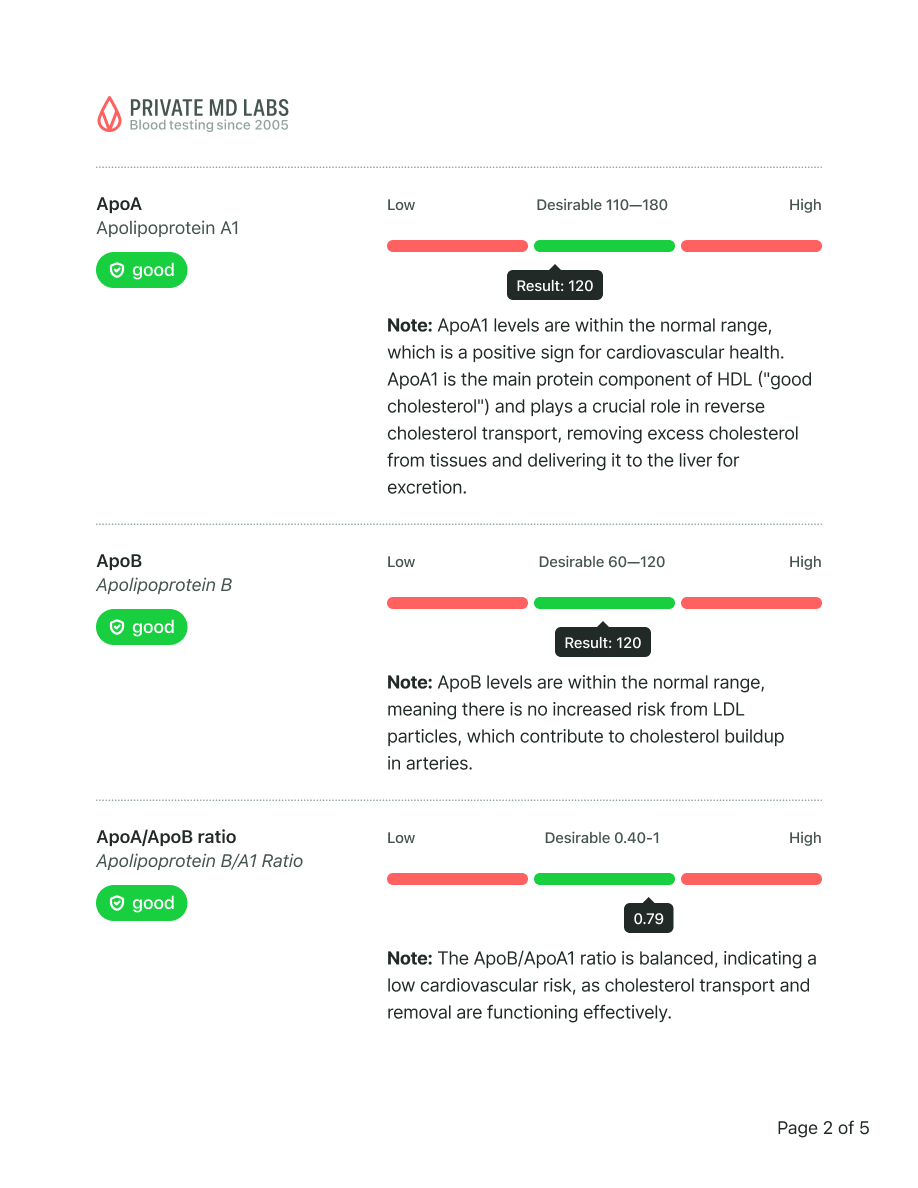
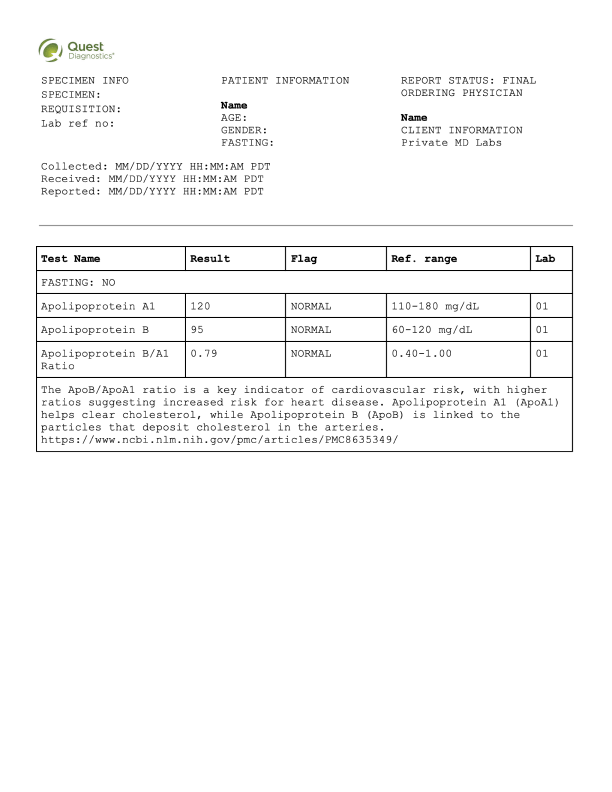
Sample results
Hypervitaminosis C is a condition of vitamin C toxicity caused by excessive intake of ascorbic acid supplements. It occurs when high doses of vitamin C accumulate faster than the body can excrete them through urine. The Vitamin C Blood Test is the most important test for diagnosis as it directly measures serum ascorbic acid levels to confirm elevated concentrations.
Hypervitaminosis C is caused by excessive intake of vitamin C supplements, typically in doses exceeding 2,000 mg per day over extended periods. While vitamin C from food sources is rarely problematic because the body regulates absorption, high-dose supplements can overwhelm the bodys excretion capacity. This leads to accumulation of ascorbic acid in the bloodstream, triggering gastrointestinal distress and potentially contributing to kidney stone formation in susceptible individuals.
The Vitamin C Blood Test is the most important test for hypervitaminosis C because it directly measures serum ascorbic acid levels to confirm whether vitamin C concentrations are elevated above the normal range of 0.4 to 2.0 mg/dL. This test is essential for distinguishing vitamin C toxicity from other conditions that cause similar digestive symptoms. When combined with your supplement history and symptom timeline, the Vitamin C test provides definitive evidence of overconsumption and helps your healthcare provider determine if you need to reduce or discontinue supplementation.
You should get tested if you are taking high-dose vitamin C supplements (above 1,000 mg daily) and experience persistent diarrhea, nausea, stomach cramps, or abdominal pain. Testing is also recommended if you have a history of kidney stones and regularly consume vitamin C supplements, or if you are experiencing unexplained digestive issues that began after starting a new supplement regimen. Early testing helps prevent complications and guides appropriate adjustments to your supplement intake.
What this means
Your testosterone levels are slightly below the optimal range. While this is not necessarily cause for concern, it may contribute to occasional fatigue, reduced motivation, or lower muscle mass over time.
Recommended actions
Increase resistance or strength training
Prioritize 7–8 hours of quality sleep per night, try to reduce stress
Include more zinc- and magnesium-rich foods (like shellfish, beef, pumpkin seeds, spinach)
Consider retesting in 3–6 months
Not overhyped or overpriced. Just comprehensive blood testing made simple and for everyone.
Sample results
Your 24/7 Lab Guide
Quick questions: