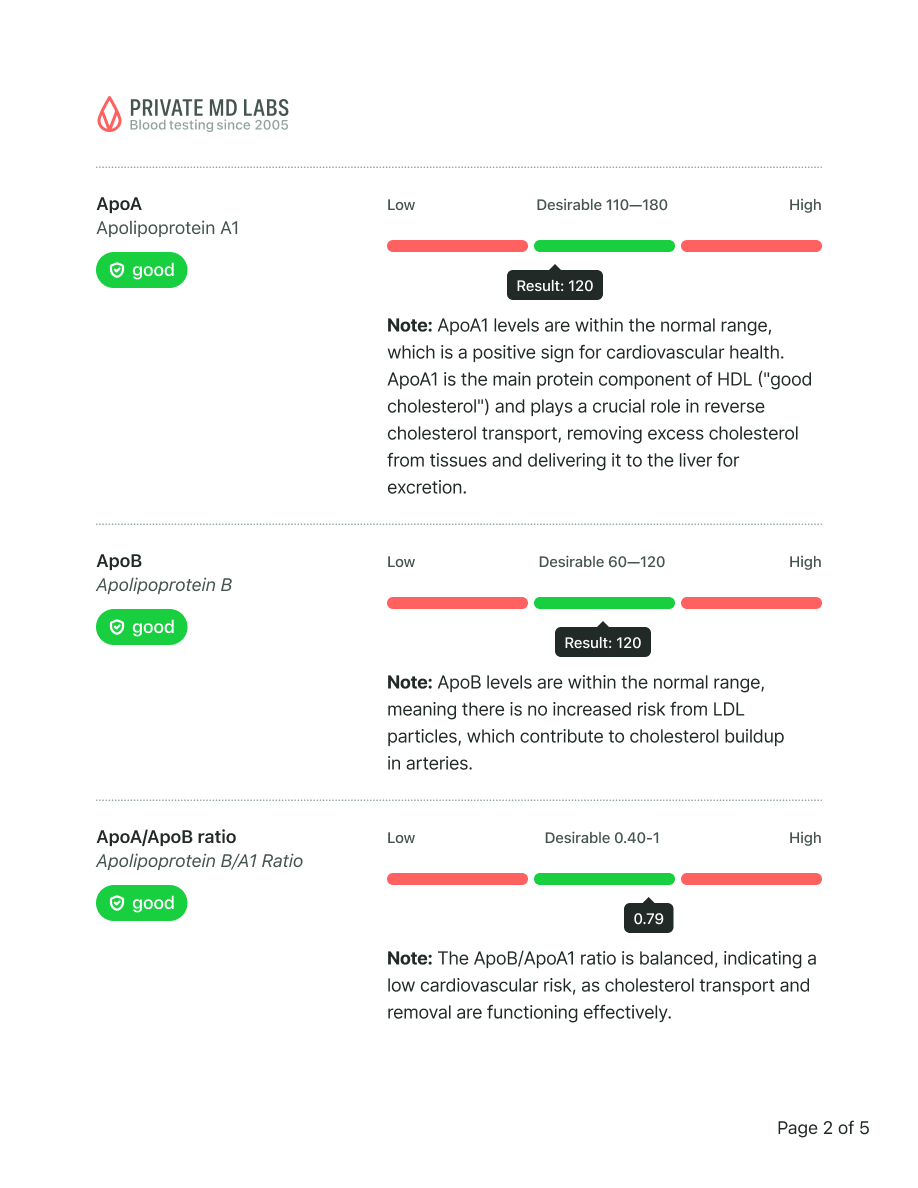
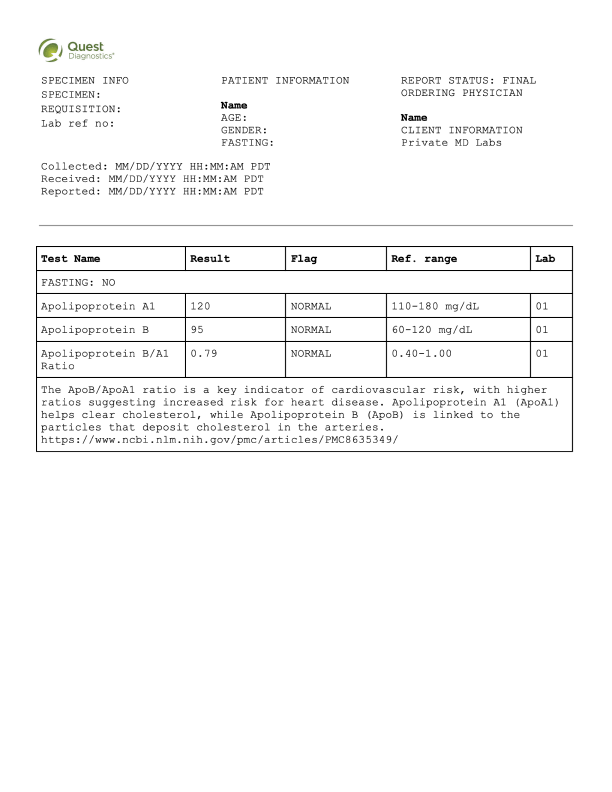
Sample results
Hyperviscosity syndrome is a serious medical condition characterized by abnormally thick blood that impairs circulation and oxygen delivery throughout the body. It is caused by elevated levels of proteins or blood cells from conditions like Waldenstrom macroglobulinemia, multiple myeloma, polycythemia vera, and leukemia. The Serum Viscosity Test is the most important test for diagnosis because it directly measures blood thickness and flow properties.
Hyperviscosity syndrome is caused by abnormally high levels of proteins or blood cells that make the blood thick and unable to flow properly through blood vessels. The most common causes include blood cancers like Waldenstrom macroglobulinemia, multiple myeloma, polycythemia vera, and certain types of leukemia. These conditions produce excessive amounts of immunoglobulins, paraproteins, or red blood cells that increase blood thickness and impair circulation to vital organs.
The Serum Viscosity Test is the most important test for hyperviscosity syndrome because it directly measures how thick your blood is and how easily it flows through blood vessels. This test quantifies the exact viscosity level in your blood serum, which confirms the diagnosis and helps determine how severe the condition is. Your doctor may also order additional tests like a complete blood count, protein electrophoresis, or immunoglobulin levels to identify the underlying cause, but the serum viscosity test remains the gold standard for diagnosing this condition.
You should get tested if you experience symptoms like severe headaches, vision changes or blurred vision, dizziness, confusion, unusual bleeding from your gums or nose, or numbness in your extremities. Testing is especially important if you have been diagnosed with blood cancers like multiple myeloma, Waldenstrom macroglobulinemia, or polycythemia vera, as these conditions put you at higher risk. Early detection through blood testing can prevent serious complications like stroke, heart problems, and organ damage.
What this means
Your testosterone levels are slightly below the optimal range. While this is not necessarily cause for concern, it may contribute to occasional fatigue, reduced motivation, or lower muscle mass over time.
Recommended actions
Increase resistance or strength training
Prioritize 7–8 hours of quality sleep per night, try to reduce stress
Include more zinc- and magnesium-rich foods (like shellfish, beef, pumpkin seeds, spinach)
Consider retesting in 3–6 months
Not overhyped or overpriced. Just comprehensive blood testing made simple and for everyone.
Sample results
Your 24/7 Lab Guide
Quick questions: