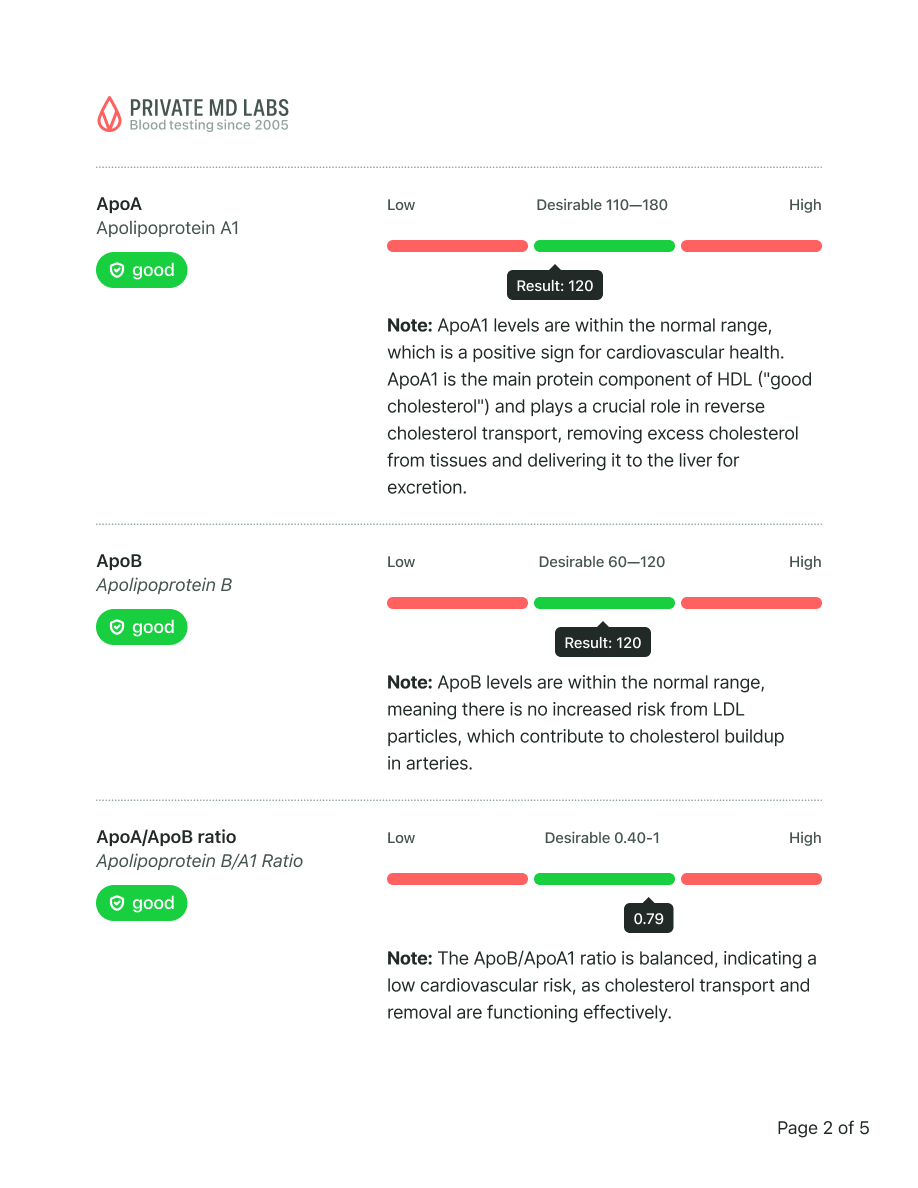
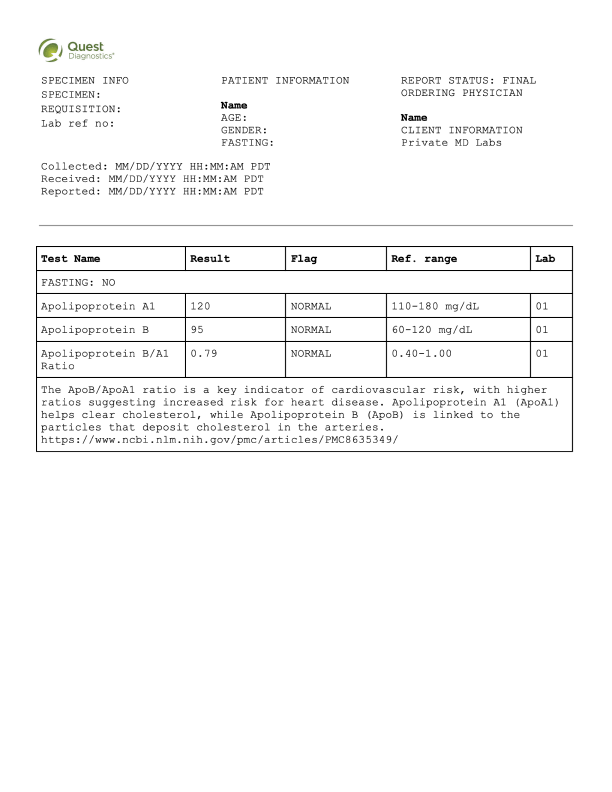
Sample results
Hyperproteinemia is a condition characterized by abnormally high levels of proteins in the blood. It is caused by chronic inflammation, infections like tuberculosis, multiple myeloma, or conditions that increase immunoglobulin production. The Protein, Total, Serum test is the most important test for diagnosis because it directly measures total protein concentration in the blood.
Hyperproteinemia is caused by conditions that increase protein production or concentration in the blood. Chronic inflammatory diseases like rheumatoid arthritis and lupus trigger increased immunoglobulin production. Infections such as tuberculosis, hepatitis, and HIV stimulate the immune system to produce more antibodies. Multiple myeloma, a blood cancer, causes plasma cells to overproduce abnormal proteins. Dehydration can also cause relative hyperproteinemia by concentrating existing blood proteins when fluid volume decreases.
The Protein, Total, Serum test is the most important test for hyperproteinemia because it directly measures the total concentration of all proteins in your blood, including albumin and globulins. This test provides the definitive diagnosis when levels exceed the normal range of 6.0-8.3 grams per deciliter. The Viscosity, Serum test is an essential secondary test that measures how thick your blood has become due to high protein levels, which helps assess complications like impaired circulation and increased risk of blood clots. Together, these tests identify both the condition and its potential impact on your health.
You should get tested if you experience unexplained fatigue, frequent infections, bone pain, or unusual bleeding or bruising. Testing is important if you have been diagnosed with chronic inflammatory conditions like rheumatoid arthritis or lupus, as these increase your risk. You should also consider testing if you notice symptoms of thickened blood such as headaches, dizziness, vision changes, or numbness in your extremities. Anyone undergoing evaluation for suspected multiple myeloma or other blood disorders should have their protein levels checked.
What this means
Your testosterone levels are slightly below the optimal range. While this is not necessarily cause for concern, it may contribute to occasional fatigue, reduced motivation, or lower muscle mass over time.
Recommended actions
Increase resistance or strength training
Prioritize 7–8 hours of quality sleep per night, try to reduce stress
Include more zinc- and magnesium-rich foods (like shellfish, beef, pumpkin seeds, spinach)
Consider retesting in 3–6 months
Not overhyped or overpriced. Just comprehensive blood testing made simple and for everyone.
Sample results
Your 24/7 Lab Guide
Quick questions: