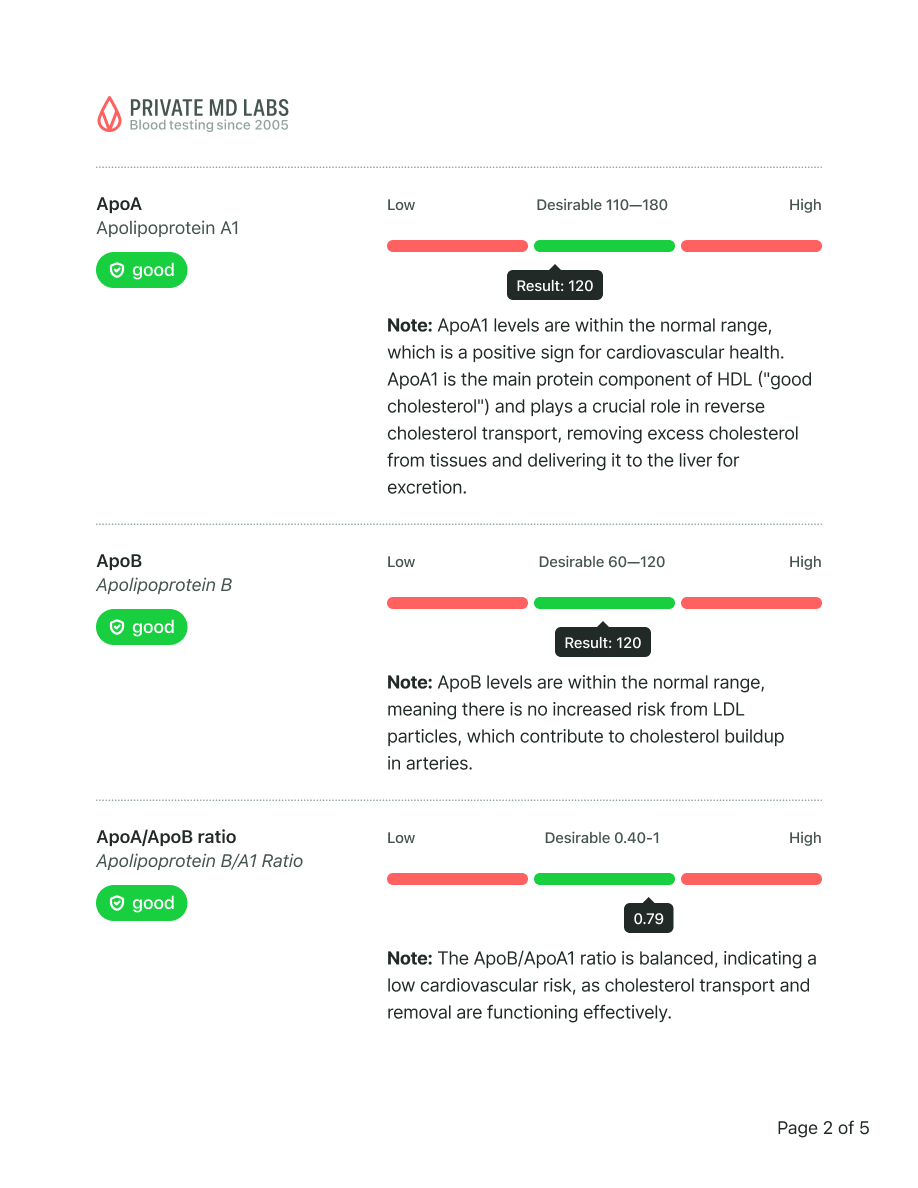
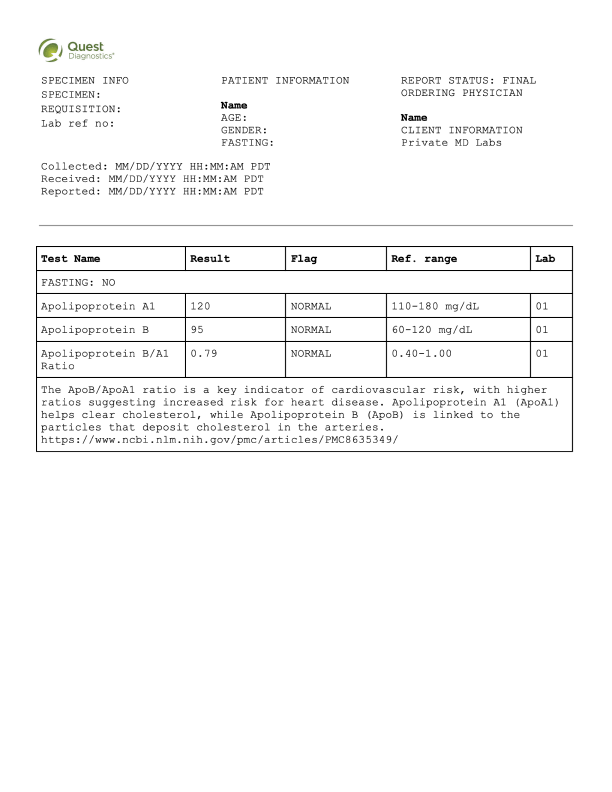
Sample results
Hypercarotenemia is a benign condition characterized by elevated levels of carotene in the blood that causes yellowish discoloration of the skin, particularly on the palms and soles. It is caused by excessive consumption of carotene-rich foods like carrots, sweet potatoes, pumpkins, and leafy greens, or by impaired carotene metabolism. The Carotene Blood Test is the most important test for diagnosis as it directly measures carotene levels to confirm the condition and distinguish it from jaundice.
Hypercarotenemia is caused by excessive consumption of foods high in carotene, such as carrots, sweet potatoes, squash, pumpkins, mangoes, and leafy green vegetables. When you eat large amounts of these foods regularly, carotene accumulates in your bloodstream and deposits in the outer layers of your skin, particularly on the palms, soles, and face. In rare cases, hypercarotenemia can result from conditions that affect how your body processes carotene, such as diabetes, hypothyroidism, or liver disease, though dietary intake is by far the most common cause.
The Carotene Blood Test is the most important test for hypercarotenemia because it directly measures the concentration of carotene in your bloodstream, confirming elevated levels that cause the characteristic skin discoloration. This test is essential for diagnosis as it provides definitive evidence of excess carotene and helps distinguish hypercarotenemia from other conditions that cause yellow skin, particularly jaundice caused by liver problems or hemolysis. While hypercarotenemia causes yellowing of the skin, it does not affect the whites of the eyes (sclera), which remain white, whereas jaundice typically causes yellowing of both the skin and eyes. The test is simple, requiring only a blood sample, and elevated results confirm the diagnosis immediately.
You should get tested if you notice yellowing of your skin, especially on your palms, soles, or face, and you regularly consume large amounts of carotene-rich vegetables or take beta-carotene supplements. Testing is particularly important if the yellowing concerns you or if you want to rule out more serious conditions like jaundice from liver disease. You should also consider testing if the yellow discoloration persists despite reducing your intake of carotene-rich foods, or if you have other symptoms like fatigue or digestive issues that might suggest an underlying metabolic condition. Getting tested provides peace of mind and confirms that the skin changes are benign.
What this means
Your testosterone levels are slightly below the optimal range. While this is not necessarily cause for concern, it may contribute to occasional fatigue, reduced motivation, or lower muscle mass over time.
Recommended actions
Increase resistance or strength training
Prioritize 7–8 hours of quality sleep per night, try to reduce stress
Include more zinc- and magnesium-rich foods (like shellfish, beef, pumpkin seeds, spinach)
Consider retesting in 3–6 months
Not overhyped or overpriced. Just comprehensive blood testing made simple and for everyone.
Sample results
Your 24/7 Lab Guide
Quick questions: