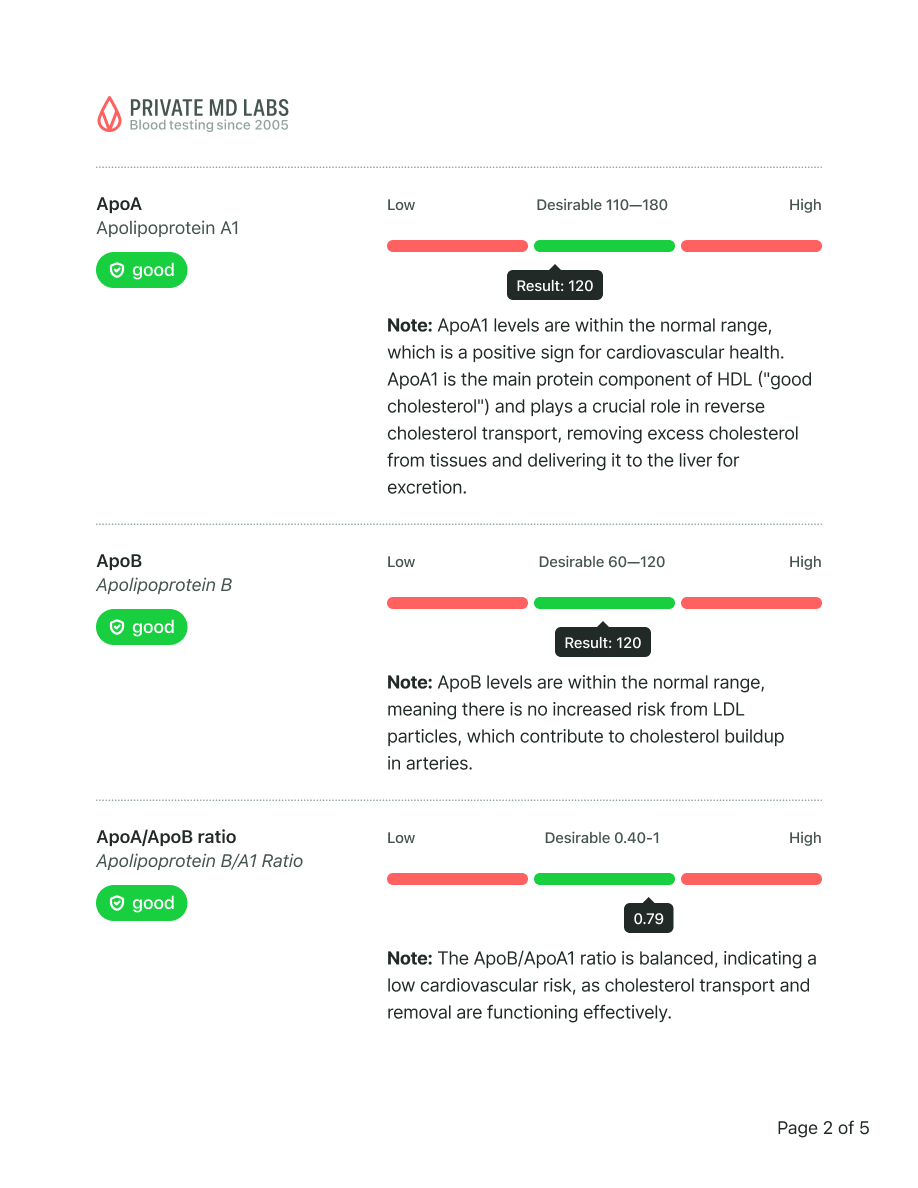
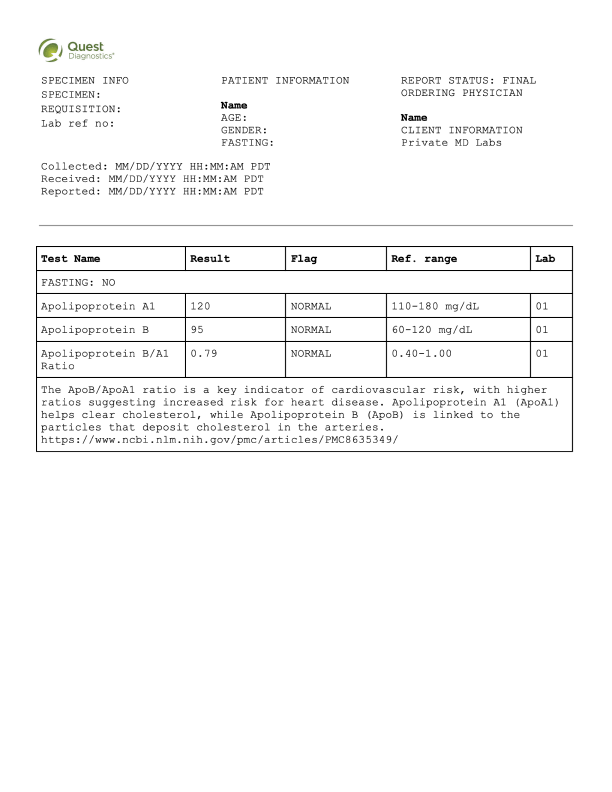
Sample results
Hypercapnia is a condition where carbon dioxide levels in the blood become abnormally elevated. It is caused by inadequate removal of CO2 by the lungs due to respiratory disorders, chronic lung disease, or impaired breathing patterns. The Carbon Dioxide blood test is the most important test for diagnosis as it directly measures CO2 concentration in the bloodstream.
Hypercapnia is caused by the lungs' inability to effectively remove carbon dioxide from the body. Chronic obstructive pulmonary disease (COPD), severe asthma, pneumonia, sleep apnea, and neuromuscular disorders that weaken breathing muscles are common causes. Certain medications that suppress breathing, obesity hypoventilation syndrome, and conditions affecting the brainstem's respiratory control centers can also lead to CO2 buildup in the bloodstream.
The Carbon Dioxide blood test is the most important test for hypercapnia because it directly measures the concentration of CO2 in your bloodstream. Normal CO2 levels range from 22-28 mEq/L, and elevated values above this range confirm hypercapnia. This test is typically performed as part of a basic metabolic panel or blood gas analysis and provides the definitive measurement needed to diagnose the condition. Your healthcare provider may also order arterial blood gas (ABG) testing to assess oxygen levels and blood pH alongside CO2 measurements for a complete respiratory evaluation.
You should get tested if you experience shortness of breath, confusion, headaches, excessive drowsiness, or fatigue that worsens over time. Testing is especially important if you have chronic lung disease like COPD or asthma and notice increased difficulty breathing or changes in mental alertness. Anyone with sleep apnea, unexplained morning headaches, or a history of respiratory problems should consider testing to detect elevated CO2 levels before serious complications develop.
What this means
Your testosterone levels are slightly below the optimal range. While this is not necessarily cause for concern, it may contribute to occasional fatigue, reduced motivation, or lower muscle mass over time.
Recommended actions
Increase resistance or strength training
Prioritize 7–8 hours of quality sleep per night, try to reduce stress
Include more zinc- and magnesium-rich foods (like shellfish, beef, pumpkin seeds, spinach)
Consider retesting in 3–6 months
Not overhyped or overpriced. Just comprehensive blood testing made simple and for everyone.
Sample results
Your 24/7 Lab Guide
Quick questions: