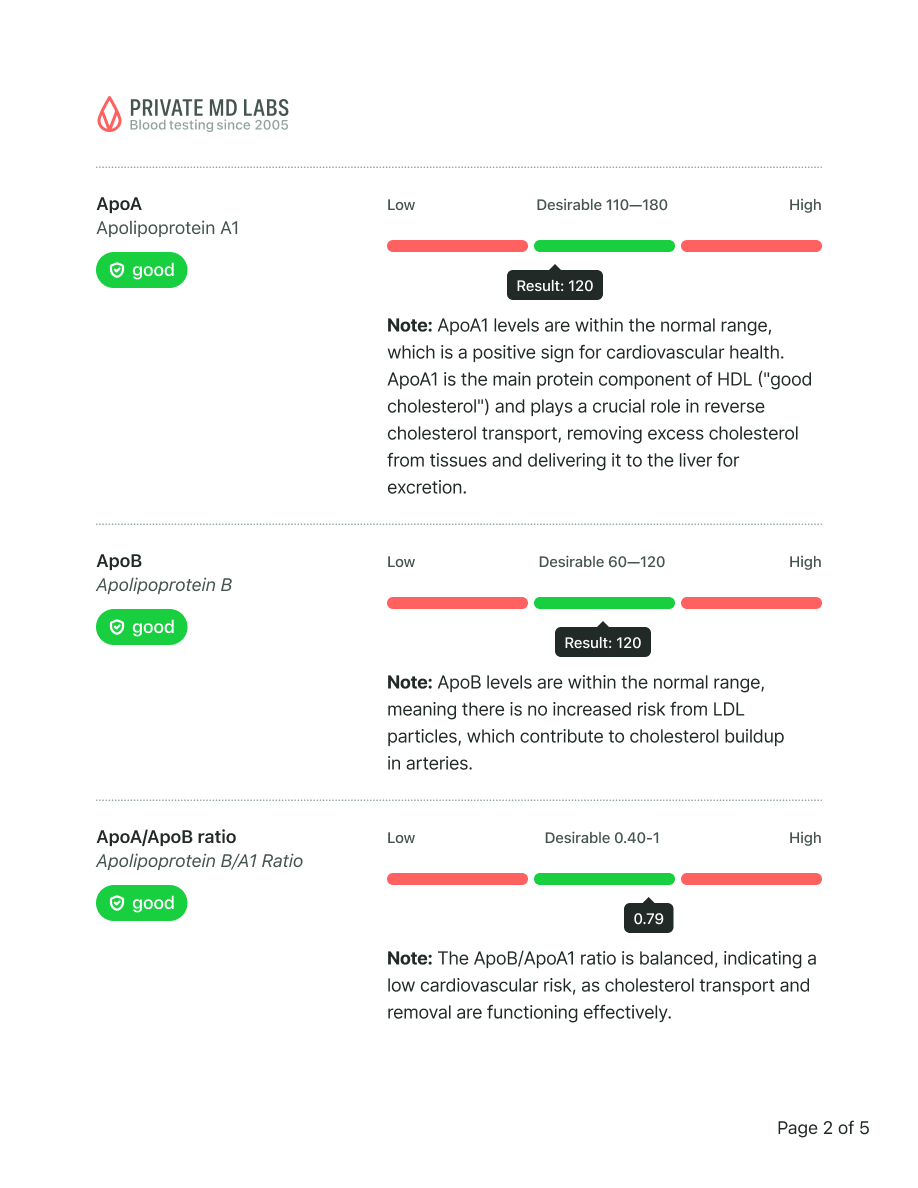
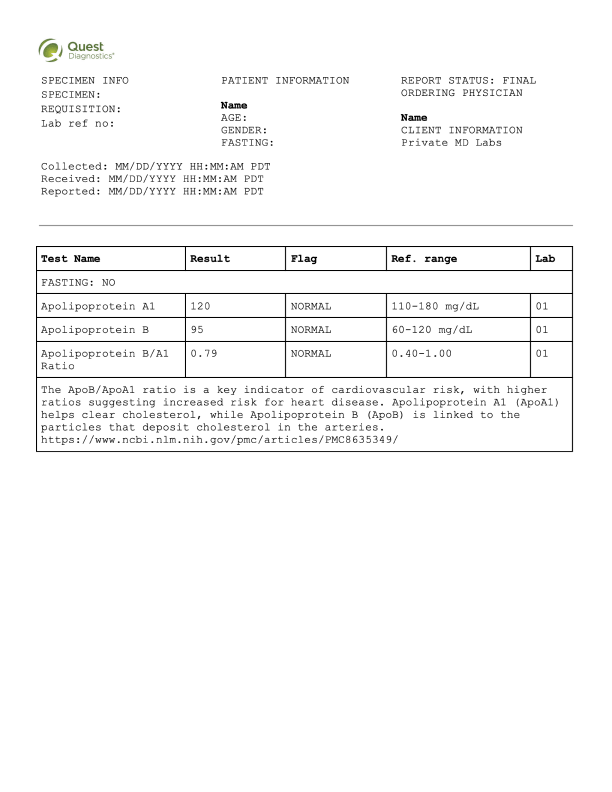
Sample results
Hyper IgM Syndrome is a rare primary immunodeficiency disorder characterized by elevated IgM antibodies while IgG, IgA, and IgE antibodies are significantly reduced or absent. It is caused by genetic mutations that prevent the immune system from switching from IgM antibody production to other antibody types needed for long-term protection. The IgA test is the most important test for diagnosis because it reveals the characteristic absence or severe deficiency of IgA antibodies that defines this condition.
Hyper IgM Syndrome is caused by genetic mutations that affect the immune system's ability to perform antibody class switching. Most commonly, mutations in the CD40 ligand gene (on the X chromosome) or CD40 gene prevent B cells from switching from producing IgM antibodies to producing IgG, IgA, and IgE antibodies. This genetic defect is usually inherited in an X-linked pattern, meaning it primarily affects males, though autosomal recessive forms also exist.
The IgA test is the most important test for Hyper IgM Syndrome because it directly measures IgA antibody levels, which are characteristically very low or absent in this condition. A comprehensive immunoglobulin panel that includes IgA, IgG, IgE, and IgM measurements is essential for diagnosis, as it reveals the distinctive pattern of elevated IgM with deficient other antibody types. Additional tests like the Mumps Virus Antibody (IgG) can help assess specific IgG deficiencies and infection susceptibility, providing a complete picture of immune function.
You should get tested if you or your child experiences frequent bacterial infections (especially pneumonia and ear infections), persistent diarrhea, opportunistic infections like Pneumocystis pneumonia, enlarged lymph nodes or liver and spleen, or failure to thrive in infancy. Testing is particularly important if you have a family history of immunodeficiency disorders or if your child has recurrent infections that don't respond well to standard antibiotics. Early diagnosis is crucial for preventing complications and starting appropriate treatment.
What this means
Your testosterone levels are slightly below the optimal range. While this is not necessarily cause for concern, it may contribute to occasional fatigue, reduced motivation, or lower muscle mass over time.
Recommended actions
Increase resistance or strength training
Prioritize 7–8 hours of quality sleep per night, try to reduce stress
Include more zinc- and magnesium-rich foods (like shellfish, beef, pumpkin seeds, spinach)
Consider retesting in 3–6 months
Not overhyped or overpriced. Just comprehensive blood testing made simple and for everyone.
Sample results
Your 24/7 Lab Guide
Quick questions: