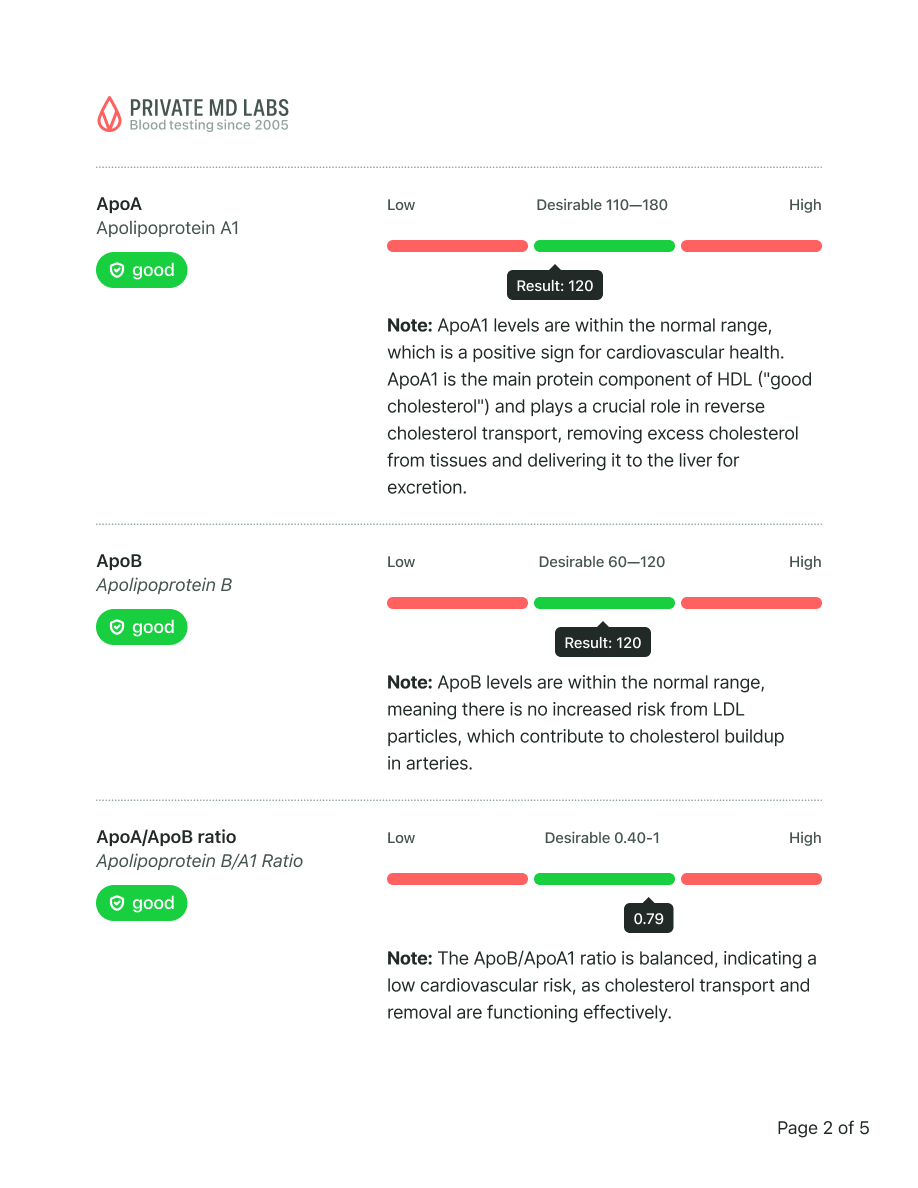
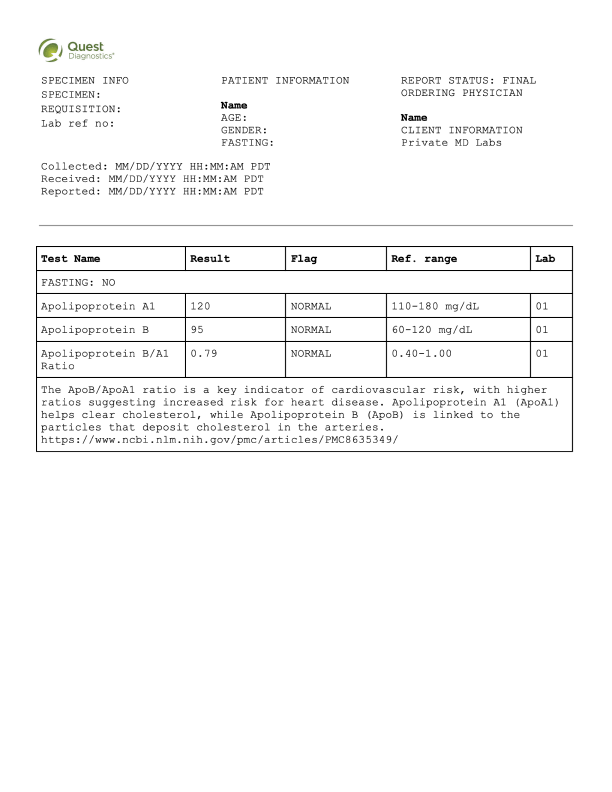
Sample results
HTLV-I-associated uveitis is a rare inflammatory eye disease that affects the uvea, the middle layer of the eye, and can lead to vision problems. It is caused by infection with Human T-Cell Lymphotropic Virus Type I (HTLV-I), a retrovirus that can remain dormant for years before triggering complications. The Human T-Cell Lymphotropic Virus I, II Antibodies Test with Confirmation is the most important test for diagnosis because it detects antibodies confirming HTLV-I infection.
HTLV-I-associated uveitis is caused by infection with Human T-Cell Lymphotropic Virus Type I (HTLV-I), a retrovirus transmitted through blood, sexual contact, or from mother to child during breastfeeding. The virus infects T-cells in the immune system and can remain dormant for many years before triggering inflammatory complications. When the virus becomes active, it causes inflammation in the uvea, the middle layer of the eye containing blood vessels, leading to eye pain, blurred vision, and light sensitivity.
The Human T-Cell Lymphotropic Virus I, II Antibodies Test with Confirmation is the most important test for HTLV-I-associated uveitis because it specifically detects antibodies against HTLV-I in the blood. This comprehensive blood test includes both preliminary screening and confirmatory testing to ensure accurate diagnosis and avoid false positives. When you present with uveitis symptoms, this test helps your doctor determine if HTLV-I infection is the underlying cause, distinguishing it from other forms of uveitis and guiding appropriate treatment for both the viral infection and the inflammatory eye condition.
You should get tested if you experience eye redness, pain, blurred vision, or sensitivity to light, especially if you have risk factors for HTLV-I infection such as living in or traveling from endemic areas like Japan, the Caribbean, or parts of Africa and South America. Testing is also important if you have a history of blood transfusions before 1988, have engaged in unprotected sex with multiple partners, or were breastfed by a mother from an HTLV-I endemic region. Early detection through blood testing helps prevent vision loss and allows for prompt treatment of the inflammatory eye condition.
What this means
Your testosterone levels are slightly below the optimal range. While this is not necessarily cause for concern, it may contribute to occasional fatigue, reduced motivation, or lower muscle mass over time.
Recommended actions
Increase resistance or strength training
Prioritize 7–8 hours of quality sleep per night, try to reduce stress
Include more zinc- and magnesium-rich foods (like shellfish, beef, pumpkin seeds, spinach)
Consider retesting in 3–6 months
Not overhyped or overpriced. Just comprehensive blood testing made simple and for everyone.
Sample results
Your 24/7 Lab Guide
Quick questions: