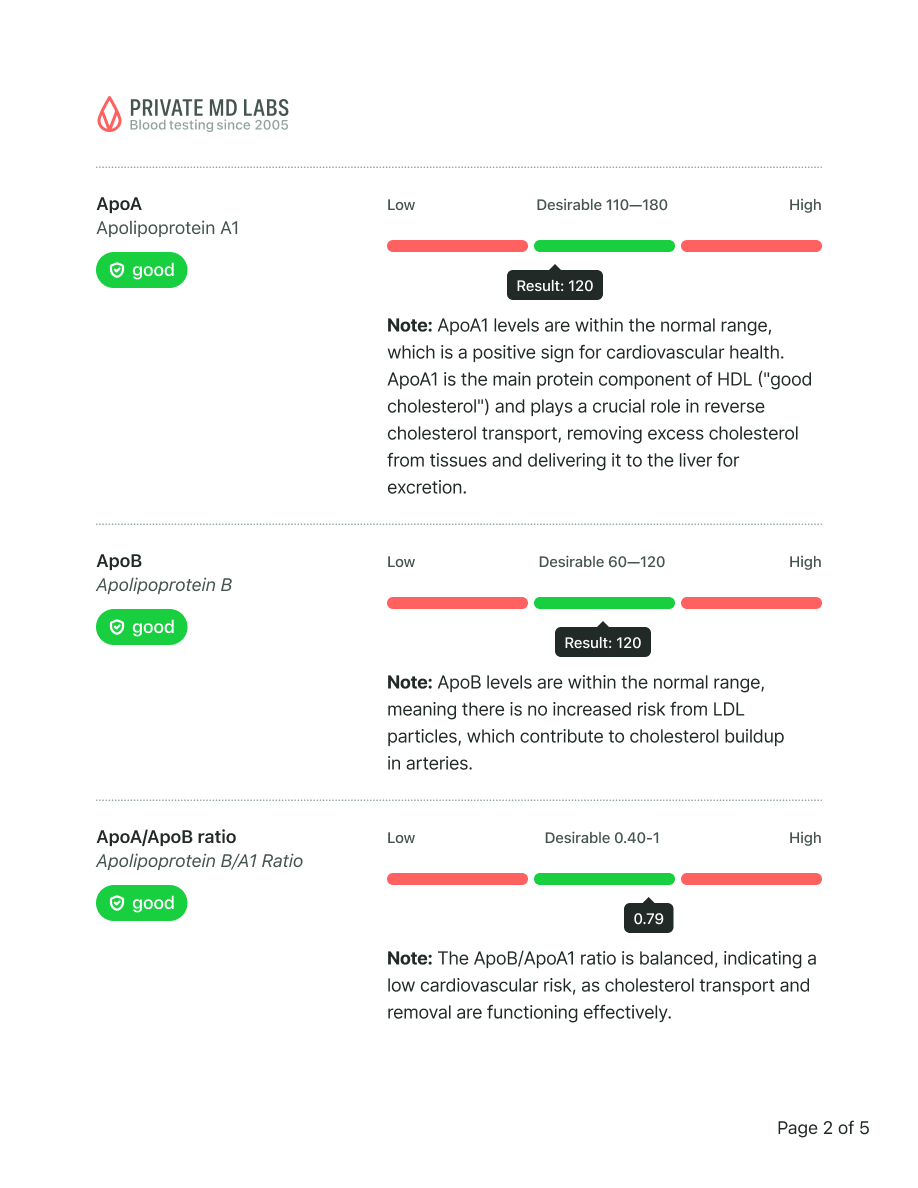
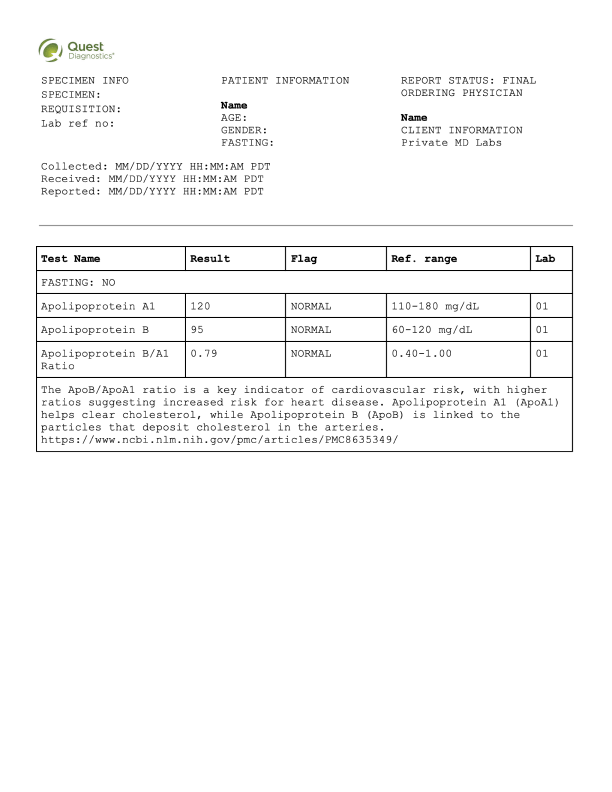
Sample results
High thiamine levels occur when excessive amounts of vitamin B1 accumulate in the body, typically from over-supplementation. Elevated thiamine is caused by taking high-dose vitamin B1 supplements or receiving frequent thiamine injections beyond the body's needs. The Vitamin B1 (Thiamine) LC/MS/MS test is the most important test for diagnosis because it precisely measures blood thiamine concentrations using advanced mass spectrometry technology.
High thiamine levels are caused by excessive vitamin B1 supplementation or frequent therapeutic injections that exceed the body's capacity to utilize and excrete the vitamin. While thiamine is water-soluble and excess amounts are typically eliminated through urine, taking very high doses over extended periods can temporarily elevate blood levels. This most commonly occurs in people taking mega-dose B-complex supplements, receiving intravenous thiamine therapy, or using high-potency nutritional formulas without medical supervision.
The Vitamin B1 (Thiamine) LC/MS/MS test is the most important test for high thiamine levels because it uses advanced liquid chromatography-tandem mass spectrometry technology to precisely measure thiamine concentrations in your blood. This sophisticated testing method can accurately detect elevated levels resulting from excessive supplementation and help identify whether your vitamin B1 intake is appropriate or potentially excessive. The test is particularly valuable for monitoring individuals taking high-dose supplements or receiving thiamine injections, as it provides the detailed measurement needed to assess whether side effects like skin rashes, stomach upset, or kidney stones might be related to elevated thiamine.
You should get tested if you are taking high-dose vitamin B1 supplements and experiencing unexplained skin rashes, persistent stomach upset, or symptoms that might indicate kidney stones. Testing is also important if you receive regular thiamine injections for medical conditions and want to ensure your levels remain in a healthy range. Additionally, consider testing if you take multiple B-complex supplements or fortified nutritional products simultaneously, as cumulative intake can sometimes lead to excessive levels that warrant monitoring.
What this means
Your testosterone levels are slightly below the optimal range. While this is not necessarily cause for concern, it may contribute to occasional fatigue, reduced motivation, or lower muscle mass over time.
Recommended actions
Increase resistance or strength training
Prioritize 7–8 hours of quality sleep per night, try to reduce stress
Include more zinc- and magnesium-rich foods (like shellfish, beef, pumpkin seeds, spinach)
Consider retesting in 3–6 months
Not overhyped or overpriced. Just comprehensive blood testing made simple and for everyone.
Sample results
Your 24/7 Lab Guide
Quick questions: