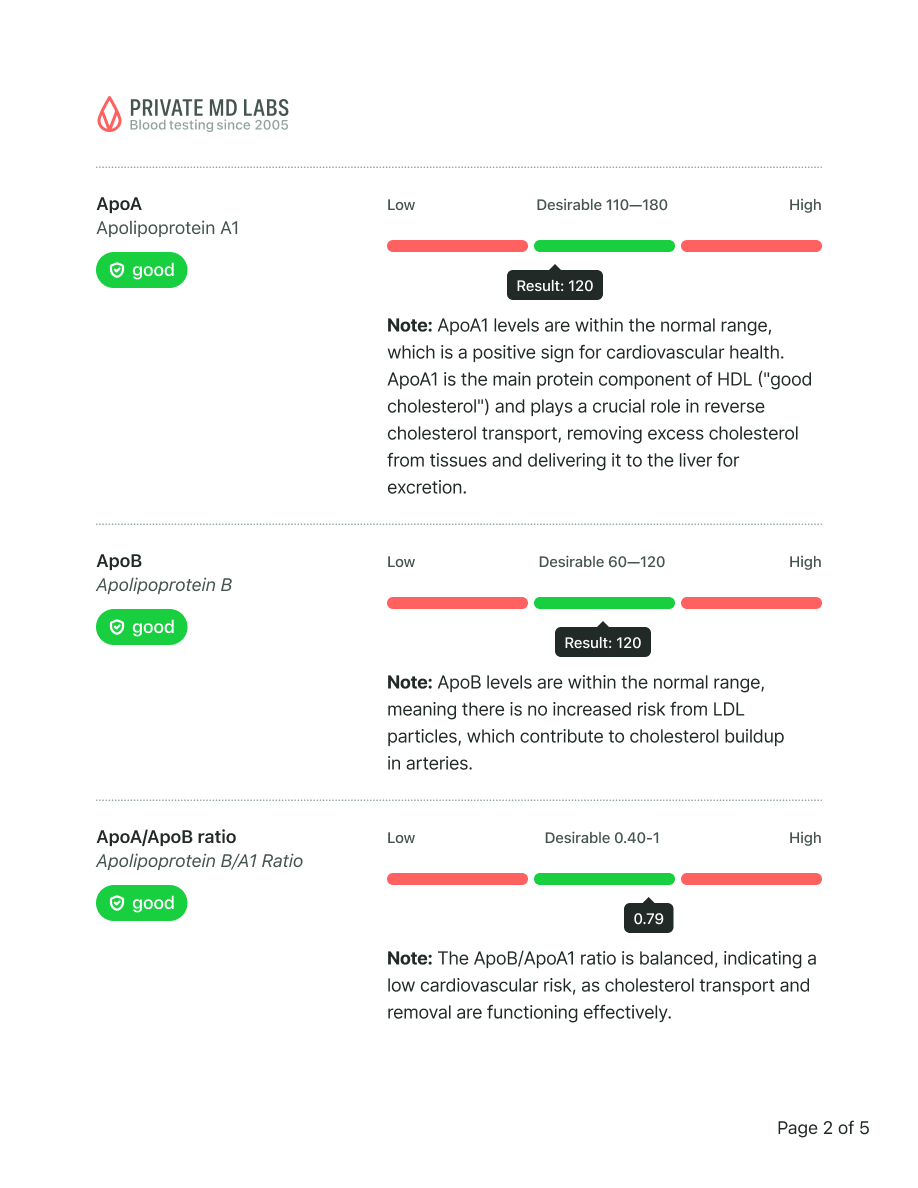
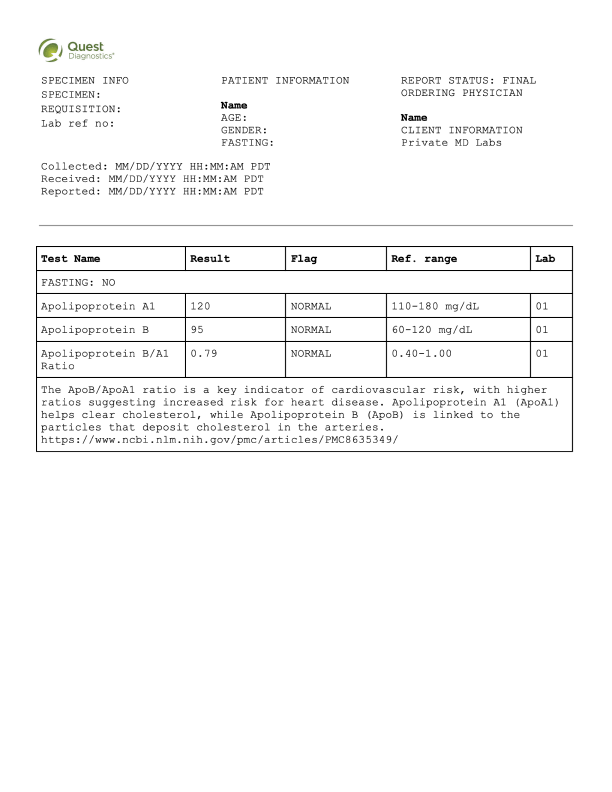
Sample results
Herpes Simplex Virus Type 2 infection is a sexually transmitted infection that primarily causes genital herpes. It is caused by the HSV-2 virus, which infects the genital area and remains dormant in nerve cells, causing recurrent outbreaks. The Herpes Simplex Virus 2 IgG Type-Specific Antibody test is the most important test for diagnosis because it detects antibodies even when symptoms are not present.
Herpes Simplex Virus Type 2 infection is caused by the HSV-2 virus, which spreads through sexual contact with an infected person. The virus enters the body through small breaks in the skin or mucous membranes of the genital area and travels to nerve cells where it remains dormant. Even when no visible sores are present, the virus can still be transmitted to partners through viral shedding, making it one of the most common sexually transmitted infections worldwide.
The Herpes Simplex Virus 2 IgG Type-Specific Antibody test is the most important test for HSV-2 infection because it detects antibodies that your immune system produces in response to the virus. This test can identify infection even when you have no symptoms or visible sores, which is crucial since many people with HSV-2 are asymptomatic. For comprehensive screening, the Herpes Simplex Virus 1 and 2 IgG with Reflex to HSV-2 Inhibition test is also valuable because it tests for both HSV-1 and HSV-2 antibodies and includes confirmatory testing to accurately distinguish between the two virus types.
You should get tested if you have had unprotected sex with a new or multiple partners, have noticed unusual genital sores or blisters, have a partner diagnosed with genital herpes, or are experiencing symptoms like painful urination or genital itching. Testing is also recommended if you are pregnant or planning pregnancy, as HSV-2 can be transmitted to a baby during delivery. Even if you have no symptoms, consider testing if you want to know your status before starting a new relationship.
What this means
Your testosterone levels are slightly below the optimal range. While this is not necessarily cause for concern, it may contribute to occasional fatigue, reduced motivation, or lower muscle mass over time.
Recommended actions
Increase resistance or strength training
Prioritize 7–8 hours of quality sleep per night, try to reduce stress
Include more zinc- and magnesium-rich foods (like shellfish, beef, pumpkin seeds, spinach)
Consider retesting in 3–6 months
Not overhyped or overpriced. Just comprehensive blood testing made simple and for everyone.
Sample results
Your 24/7 Lab Guide
Quick questions: