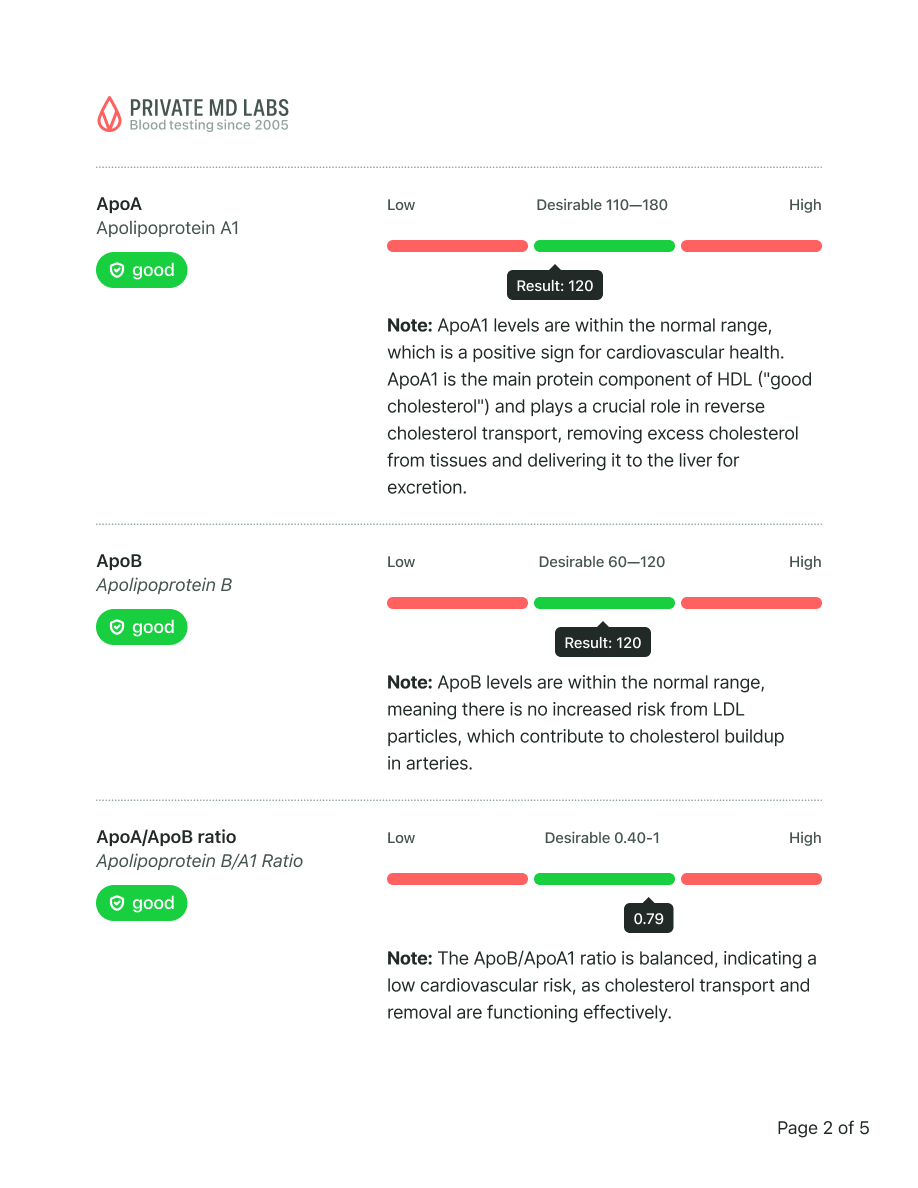
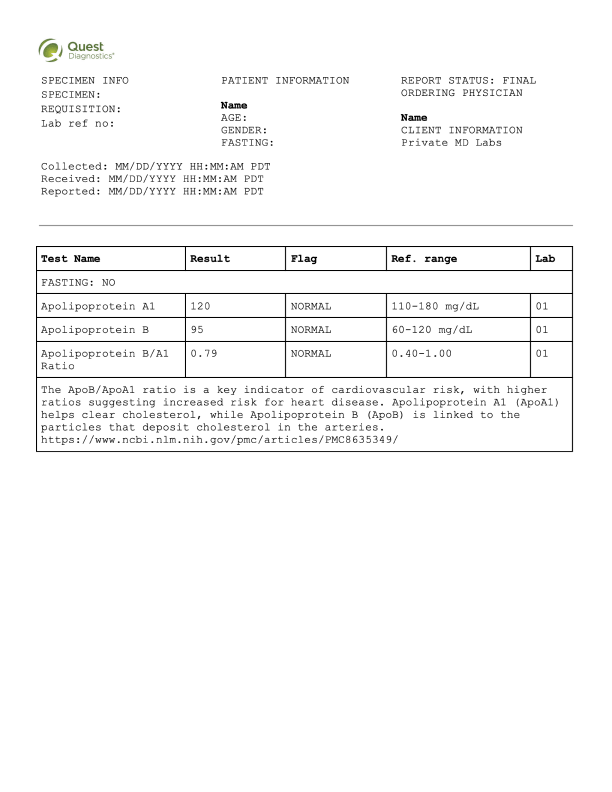
Sample results
Herpes keratitis is an infection of the cornea, the clear dome covering the front of the eye. It is caused by herpes simplex virus type 1 (HSV-1), the same virus that causes cold sores. The Herpes Simplex Virus 1 and 2 (IgG), Type Specific Antibodies test is the most important test for assessing infection history and risk factors.
Herpes keratitis is caused by herpes simplex virus type 1 (HSV-1), the same virus responsible for cold sores around the mouth. The virus can spread to the eye through direct contact, such as touching a cold sore and then touching your eye. Once infected, the virus remains dormant in nerve tissue and can reactivate, causing recurrent episodes of eye infection triggered by stress, illness, sun exposure, or a weakened immune system.
The Herpes Simplex Virus 1 and 2 (IgG), Type Specific Antibodies test is the most important blood test for herpes keratitis because it detects HSV-1 antibodies that indicate previous exposure to the virus. This test measures your immune system's response to HSV-1, helping determine if you have been infected with the virus that causes most cases of herpes keratitis. While herpes keratitis is primarily diagnosed through eye examination, this blood test provides crucial information about infection history and helps assess your risk for developing or experiencing recurrent eye infections.
You should get tested if you experience eye redness, pain, blurred vision, light sensitivity, or excessive tearing, especially if you have a history of cold sores or genital herpes. Testing is also important if you have recurrent eye infections or inflammation that doesn't respond to standard treatments. If you've been diagnosed with HSV-1 or have frequent cold sore outbreaks, knowing your antibody status helps your doctor assess your risk for developing eye complications and plan preventive strategies.
What this means
Your testosterone levels are slightly below the optimal range. While this is not necessarily cause for concern, it may contribute to occasional fatigue, reduced motivation, or lower muscle mass over time.
Recommended actions
Increase resistance or strength training
Prioritize 7–8 hours of quality sleep per night, try to reduce stress
Include more zinc- and magnesium-rich foods (like shellfish, beef, pumpkin seeds, spinach)
Consider retesting in 3–6 months
Not overhyped or overpriced. Just comprehensive blood testing made simple and for everyone.
Sample results
Your 24/7 Lab Guide
Quick questions: