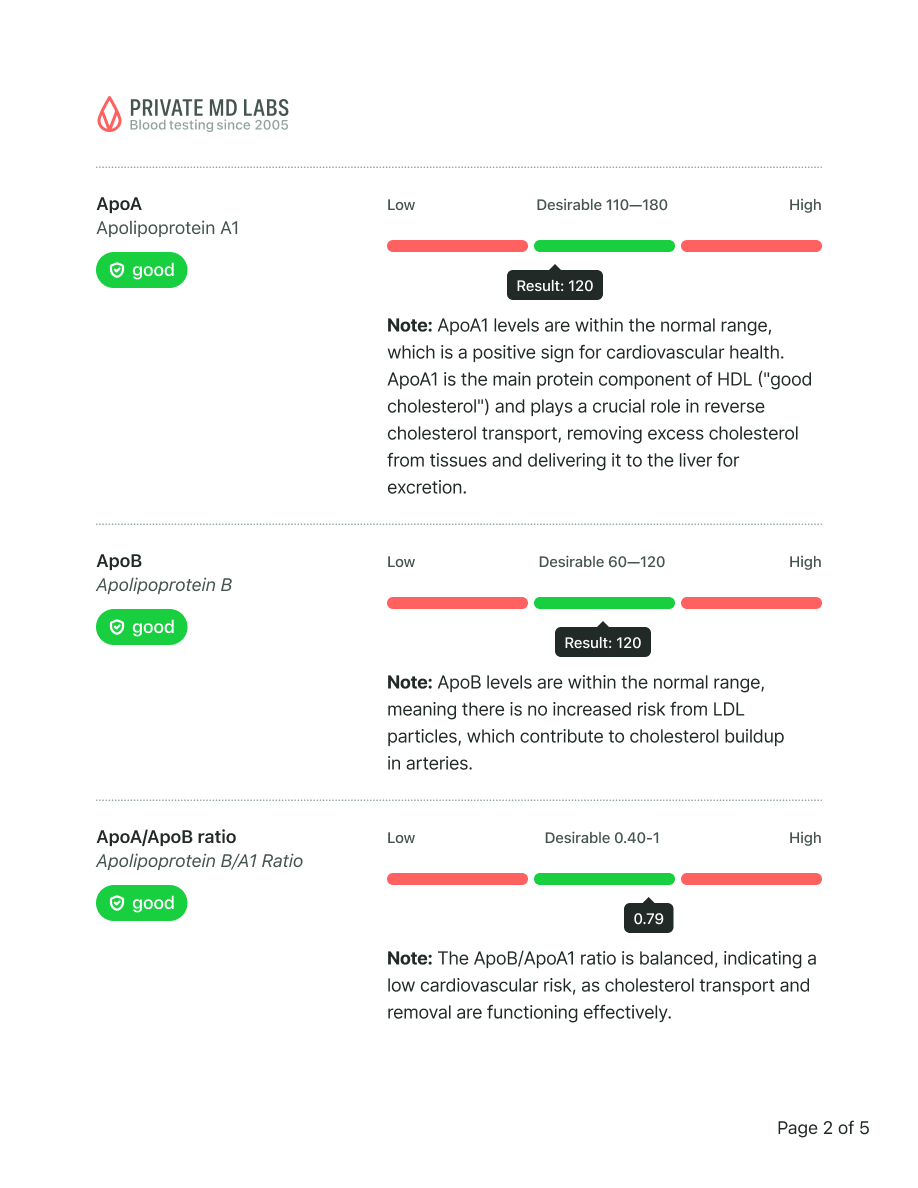
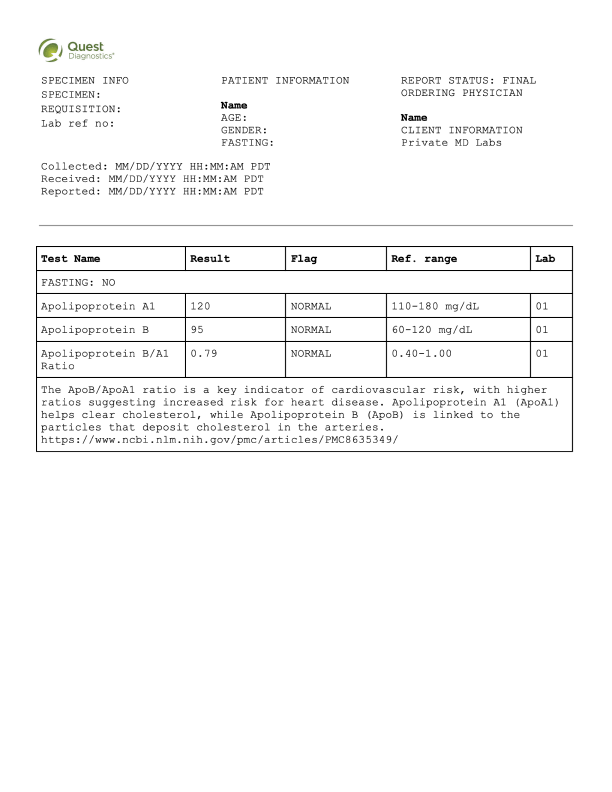
Sample results
Hepatitis B virus mutation occurs when genetic changes in the virus alter how it replicates and responds to the immune system. It is caused by spontaneous mutations in the viral DNA, particularly in the pre-core and core promoter regions that affect antigen production. The Hepatitis Be Antigen test is the most important test for detecting these mutations because it can reveal when the virus continues replicating without producing the typical e antigen marker.
Hepatitis B virus mutation is caused by spontaneous changes in the viral DNA that occur during replication, particularly in regions called the pre-core and core promoter areas. These genetic alterations can change how the virus produces proteins and antigens, affecting how it interacts with your immune system. The mutations happen naturally as the virus copies itself, and certain treatments or immune pressure can select for these variant strains, making them more common in people with chronic infections.
The Hepatitis Be Antigen test is the most important test for detecting Hepatitis B virus mutations because it reveals when the virus behaves differently than expected. This test is essential because certain mutant strains can continue replicating and damaging your liver even when the e antigen appears negative. When healthcare providers see inconsistent patterns between your e antigen results and other markers like viral load, it strongly suggests the presence of mutant strains that have stopped producing this specific antigen while remaining active.
You should get tested if you have chronic Hepatitis B infection with unexplained liver inflammation despite negative e antigen results, if your viral load remains high when markers suggest the virus should be inactive, or if you are not responding well to antiviral treatment. Testing is also important if you are starting or already on long-term antiviral therapy, as mutations can develop that make the virus resistant to treatment.
What this means
Your testosterone levels are slightly below the optimal range. While this is not necessarily cause for concern, it may contribute to occasional fatigue, reduced motivation, or lower muscle mass over time.
Recommended actions
Increase resistance or strength training
Prioritize 7–8 hours of quality sleep per night, try to reduce stress
Include more zinc- and magnesium-rich foods (like shellfish, beef, pumpkin seeds, spinach)
Consider retesting in 3–6 months
Not overhyped or overpriced. Just comprehensive blood testing made simple and for everyone.
Sample results
Your 24/7 Lab Guide
Quick questions: