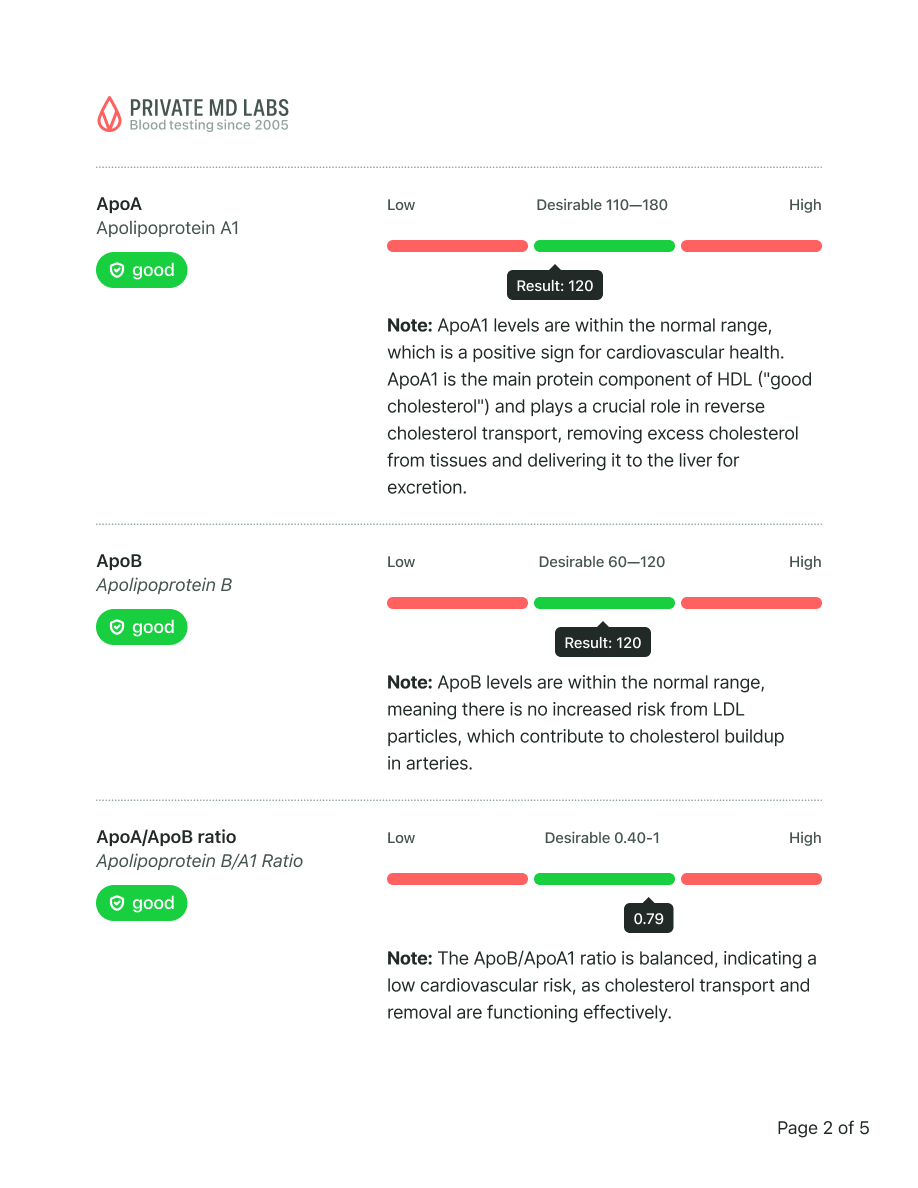
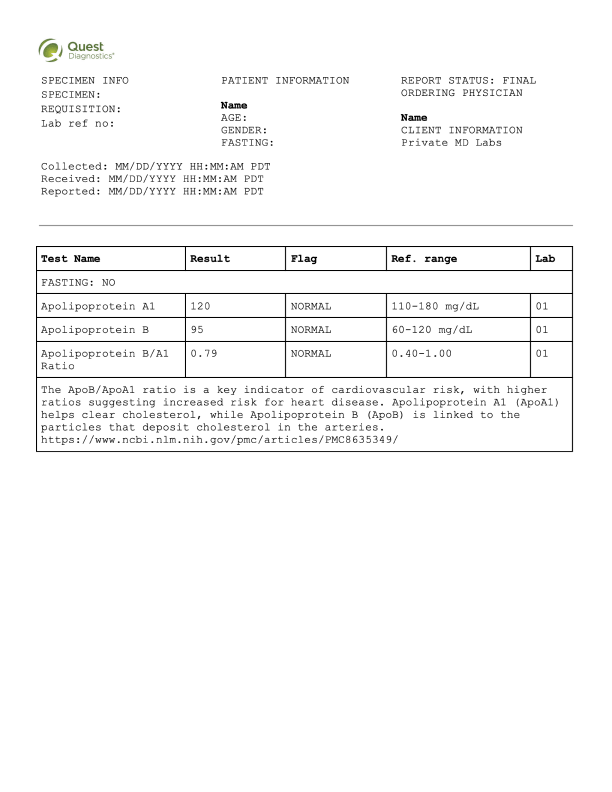
Sample results
Hairy cell leukemia is a rare, slow-growing blood cancer that affects B-lymphocytes, a type of white blood cell. It is caused by a BRAF V600E gene mutation that triggers abnormal growth of B-lymphocytes with distinctive hair-like projections. The BRAF Mutation Analysis is the most important test for diagnosis because this genetic mutation is present in nearly all hairy cell leukemia cases.
Hairy cell leukemia is caused by a specific mutation in the BRAF gene, particularly the BRAF V600E mutation, which is found in nearly all patients with this condition. This genetic change causes B-lymphocytes to grow abnormally and develop characteristic hair-like projections on their surface. While the exact trigger for this mutation is unknown, the BRAF mutation disrupts normal cell growth signals, leading to the accumulation of cancerous white blood cells in the bone marrow and spleen.
The BRAF Mutation Analysis is the most important test for hairy cell leukemia because it detects the BRAF V600E genetic mutation present in almost all cases of this rare blood cancer. This specialized blood test identifies the specific genetic change in B-lymphocytes that confirms the diagnosis and distinguishes hairy cell leukemia from other blood disorders. The test also provides valuable information for treatment planning, as targeted therapies are available for BRAF-positive cancers. Your healthcare provider may also order a complete blood count, blood cell analysis, and bone marrow examination to assess the extent of the disease.
You should get tested if you experience unexplained fatigue, frequent infections, easy bruising or bleeding, or notice an enlarged spleen or abdominal fullness. Testing is also important if routine blood work shows abnormal white blood cell counts, low red blood cell counts (anemia), or low platelet counts without another clear cause. Because hairy cell leukemia is slow-growing, symptoms may develop gradually over months or years, making early detection through blood testing crucial for timely treatment.
What this means
Your testosterone levels are slightly below the optimal range. While this is not necessarily cause for concern, it may contribute to occasional fatigue, reduced motivation, or lower muscle mass over time.
Recommended actions
Increase resistance or strength training
Prioritize 7–8 hours of quality sleep per night, try to reduce stress
Include more zinc- and magnesium-rich foods (like shellfish, beef, pumpkin seeds, spinach)
Consider retesting in 3–6 months
Not overhyped or overpriced. Just comprehensive blood testing made simple and for everyone.
Sample results
Your 24/7 Lab Guide
Quick questions: