Gut microbiota imbalance, also known as dysbiosis, is a disruption in the normal balance of beneficial and harmful bacteria in the digestive tract. It is caused by factors including poor diet, antibiotic use, stress, infections, and inflammatory conditions that alter the bacterial composition. The TMAO (Trimethylamine N-Oxide) test is the most important blood test for assessing the metabolic consequences of gut microbiota imbalance.
90-day money-back guaranteeLab order in minutesSave a trip to the doctorLow prices since 2005Labs within 2 miles
What causes gut microbiota imbalance?
Gut microbiota imbalance is caused by multiple factors that disrupt the normal bacterial ecosystem in your digestive tract. Antibiotic use kills both harmful and beneficial bacteria, creating an opportunity for opportunistic pathogens to overgrow. Poor diet high in processed foods and low in fiber, chronic stress, excessive alcohol consumption, inflammatory bowel diseases, and certain infections can all shift the bacterial balance toward harmful species like Clostridium difficile while reducing beneficial bacteria like Lactobacillus and Bifidobacterium species.
What is the best test for gut microbiota imbalance?
The TMAO (Trimethylamine N-Oxide) test is the most important blood test for assessing gut microbiota imbalance because it measures a specific metabolite produced when gut bacteria break down dietary choline and carnitine from red meat, eggs, and dairy products. Elevated TMAO levels indicate that your gut bacteria are metabolizing these nutrients in ways that may increase cardiovascular disease risk and reflect an imbalanced bacterial composition. While comprehensive stool tests can identify specific bacterial species, the TMAO blood test provides valuable insight into the functional metabolic activity of your gut microbiota and its potential health impacts.
When should I get tested for gut microbiota imbalance?
You should get tested if you experience persistent digestive symptoms like bloating, gas, diarrhea, or constipation that do not improve with dietary changes. Testing is also important if you have recently completed antibiotic treatment, have been diagnosed with inflammatory bowel disease, struggle with unexplained weight gain or difficulty losing weight, or have cardiovascular risk factors combined with digestive issues. You might also consider testing if you experience frequent infections, food sensitivities, skin problems like eczema, or brain fog and mood changes that could be linked to gut health.
What are the symptoms of gut microbiota imbalance?
Symptoms of gut microbiota imbalance include persistent bloating, excessive gas, abdominal cramping, alternating diarrhea and constipation, and food intolerances that develop suddenly. You might also experience fatigue, brain fog, difficulty concentrating, skin issues like acne or eczema, frequent yeast infections, sugar cravings, unintentional weight changes, and weakened immunity with frequent colds or infections. Many people with dysbiosis also report mood changes including anxiety and depression, as the gut-brain connection means bacterial imbalances can affect neurotransmitter production.
Who is at risk for gut microbiota imbalance?
People who frequently take antibiotics or proton pump inhibitors are at high risk because these medications disrupt normal bacterial populations. Those with diets high in processed foods, sugar, and unhealthy fats and low in fiber create an environment where harmful bacteria thrive. Individuals with chronic stress, inflammatory bowel diseases like Crohn's disease or ulcerative colitis, diabetes, obesity, or autoimmune conditions face increased risk. Heavy alcohol use, smoking, lack of sleep, sedentary lifestyle, and advancing age also contribute to bacterial imbalance, as diversity naturally decreases over time.
What happens if gut microbiota imbalance is left untreated?
Untreated gut microbiota imbalance can lead to chronic inflammation throughout the body, increasing the risk of developing inflammatory bowel disease, metabolic syndrome, and type 2 diabetes. The ongoing dysbiosis weakens your immune system, making you more susceptible to infections and potentially contributing to autoimmune conditions. Elevated TMAO levels associated with bacterial imbalance significantly increase cardiovascular disease risk including heart attack and stroke. Long-term dysbiosis can also contribute to obesity, non-alcoholic fatty liver disease, mental health disorders including depression and anxiety, and may even influence the development of colon cancer through chronic inflammation and production of harmful bacterial metabolites.
Can gut microbiota imbalance be diagnosed with a blood test?
Gut microbiota imbalance cannot be directly diagnosed with a blood test alone, but blood tests can measure important metabolites that indicate bacterial activity and imbalance. The TMAO blood test measures trimethylamine N-oxide, a compound produced when gut bacteria metabolize certain nutrients, with elevated levels suggesting dysbiosis and increased health risks. Blood tests can also reveal inflammatory markers like C-reactive protein and metabolic consequences of poor gut health. For comprehensive bacterial identification, stool tests that analyze bacterial DNA are more direct, but blood tests provide valuable information about how the bacterial imbalance is affecting your overall health and metabolism.
How is gut microbiota imbalance treated?
Treatment for gut microbiota imbalance focuses on restoring beneficial bacteria through dietary changes, probiotics, and lifestyle modifications. Increasing fiber intake from fruits, vegetables, whole grains, and legumes feeds beneficial bacteria, while reducing processed foods, sugar, and unhealthy fats limits harmful bacterial growth. Probiotic supplements containing Lactobacillus and Bifidobacterium strains and fermented foods like yogurt, kefir, sauerkraut, and kimchi introduce beneficial bacteria. Prebiotic foods like garlic, onions, asparagus, and bananas nourish existing good bacteria. Managing stress, getting adequate sleep, limiting alcohol, and avoiding unnecessary antibiotics all support bacterial balance restoration.
How can I prevent gut microbiota imbalance?
Prevent gut microbiota imbalance by eating a diverse, fiber-rich diet with plenty of colorful fruits, vegetables, whole grains, nuts, and seeds that feed beneficial bacteria. Include fermented foods regularly to introduce healthy bacterial strains naturally. Avoid unnecessary antibiotic use and always take probiotics during and after antibiotic treatment to rebuild bacterial populations. Manage stress through meditation, exercise, or yoga, as chronic stress damages gut bacteria. Limit processed foods, artificial sweeteners, and excessive sugar that promote harmful bacterial growth. Get adequate sleep, stay physically active, moderate alcohol consumption, and avoid smoking to maintain a healthy gut environment.
What natural remedies help with gut microbiota imbalance?
Natural remedies for gut microbiota imbalance include consuming fermented foods like yogurt, kefir, kombucha, sauerkraut, kimchi, and miso that introduce beneficial bacteria naturally. Bone broth helps heal the gut lining and supports healthy bacterial growth. Ginger and peppermint tea can soothe digestive symptoms while supporting beneficial bacteria. Apple cider vinegar may help create an environment favorable for good bacteria. Eating prebiotic foods like garlic, onions, leeks, asparagus, bananas, and oats feeds your beneficial bacteria. Supplementing with high-quality probiotics containing multiple bacterial strains, digestive enzymes, and L-glutamine can support gut healing and bacterial balance restoration naturally.
How’s this work?
Getting your blood test with us is easy, private & backed by the power of science.
Long story short:
In the test options, use the filters or search box to narrow your choices and find the test you want.
If you need a hand navigating through options, text our super friendly support team at 754-799-7833, and we'll provide tailored suggestions to help you find the ideal test.
Once your order is placed, we’ll create your doctor’s lab order remotely, without any need for you to make a trip to a doctor in person or to talk to the doctor. Expect to receive your doctor’s lab order right in your inbox. It will also be in your patient portal if you need to find it later. We’ll also include instructions regarding fasting and other requirements for your test. Your patient portal will be auto-created hassle-free during checkout.
If this is your first time ordering, you'll be prompted to create a password for instant login access to your patient portal. It's a quick way to conveniently access your orders and results whenever you want.
When you’re ready, visit one of our 4,000 locations. Just bring your ID – no printing or faxing of your lab order is needed, as your order and details will already be in the lab system.
Note that most lab locations don’t accept walk-ins, so it’s best to book an appointment in advance. Don’t worry – we’ll provide detailed instructions along the way.
You’ll get your results via email & SMS and dive into understanding your body better. Yup, that easy!
If you have any questions, please text us at 754-799-7833 or email support@privatemdlabs.com and we'll gladly help you.
How do I know which test to get?
In the test options, find the test you want.
If you’re not sure which test to get, we can lend a hand in finding the right option.
Just text or call us at 754-799-7833, email us at support@privatemdlabs.com, and we'll gladly help you. We've got your back and reply quickly.
Is it possible to make changes to my lab order if I made a mistake with the name, date of birth, or any other details?
Absolutely! We totally understand that errors can happen. No worries, we're here to help you.
Just reach out to us via text at 754-799-7833 or shoot us an email at
support@privatemdlabs.com. Remember to include your order number and let us know the correct information you’d like to update.
Our awesome team will jump right in and make sure everything is sorted out and accurate for you.
There are no changes necessary if your address is wrong on the requisition though. We don’t mail anything out.
Our lab requires an address to be listed to generate an order.
Do you accept health insurance?
Only HSA & FSA is accepted.
Our services are strictly self-pay and cannot be submitted to your health insurance provider except for Health Savings Accounts or Flexible Savings Accounts.
This policy applies to all insurance companies, including federal health insurance programs like Medicare.
You can read more about our cancellation policy here.
How can I find a lab location near me?
During the ordering process, you’ll be able to select a specific lab near you, with no strings attached!
You can switch it up later easily and visit any of our authorized locations as long as it’s the same lab company you selected your test for (Quest Diagnostics or Labcorp).
Before you proceed with your order, feel free to browse through all our lab locations here. This will give you the peace of mind of knowing that there's a lab nearby your home, office or your favorite gym.
Here’s how easy it is to get blood work done on your terms
Order your testSave a trip to the doctor. Your results will come with clear, friendly explanations.Takes 2 minutes
Book an appointmentVisit any of our 4,000 nearby lab locations to have your samples collected.Book or walk-in
Get resultsReceive a clear, easy-to-digest health report by email & SMS within a few business days.Get answers, fast
Here’s why 1,000,000+ customers chose us for affordable hassle-free private blood testing.
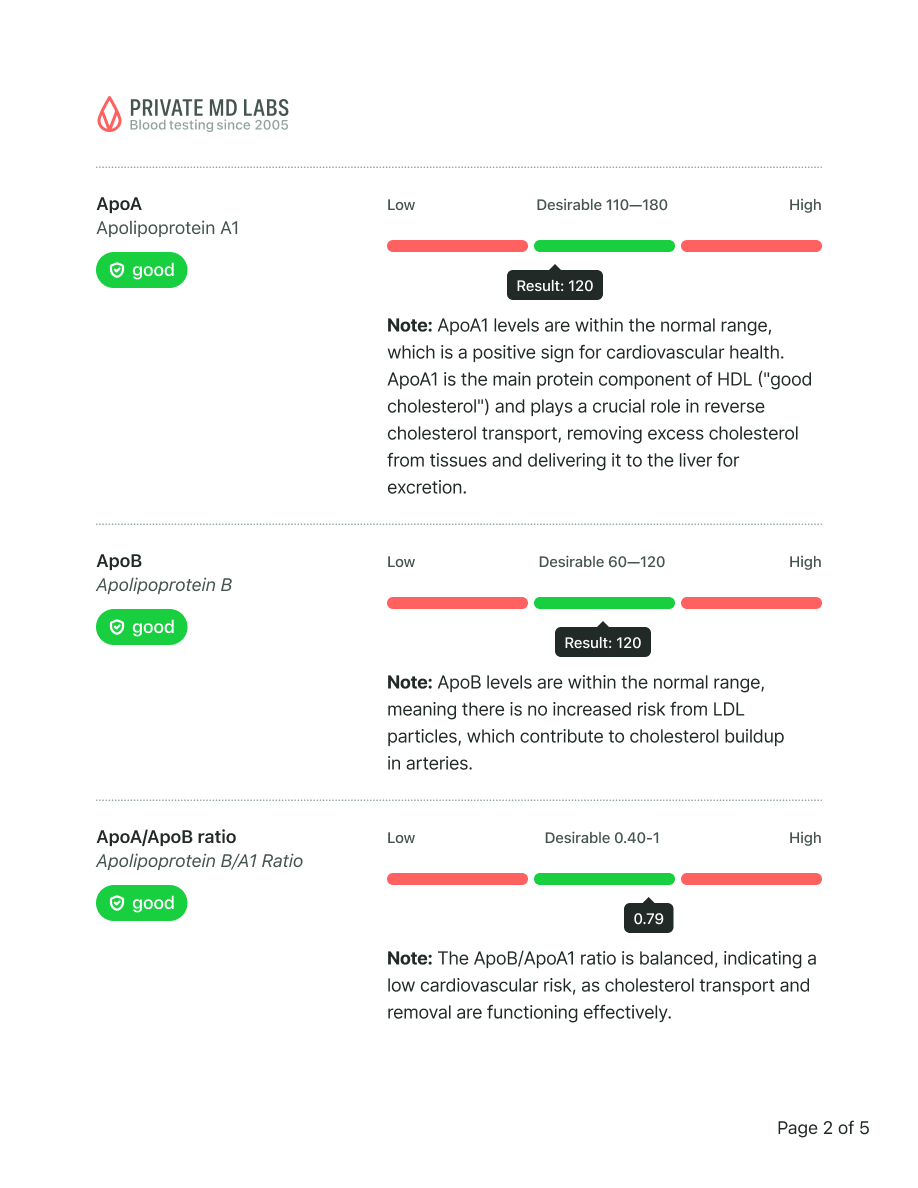
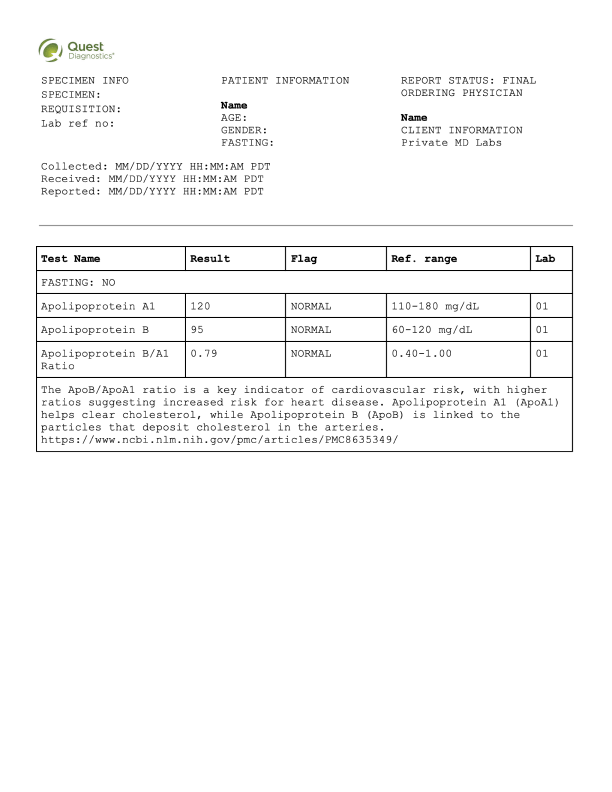
You get clinical lab reports & simplified health insights.
Save time & gas, go straight to the lab. Our doctors cover the rest.
Results start landing the next day after your lab visit.*
We don’t sell or share your data. Your time & privacy matter.
US-licensed doctors have your back if things get unclear.
No hidden fees, nice discounts for regular checkups.
Save a trip to the doctor, go directly to the lab
Instant orders, results often overnight*
Results explained in simple language
Reviewed by US licensed doctors
Fast & confidential, we never sell or share your data
No insurance needed, transparent pricing
Demo results
Testosterone375 ng/dL
Demo results
NormalOptimal 400 - 1000High
375 ng/dL
What this means
Your testosterone levels are slightly below the optimal range. While this is not necessarily cause for concern, it may contribute to occasional fatigue, reduced motivation, or lower muscle mass over time.
Recommended actions
Increase resistance or strength training
Prioritize 7–8 hours of quality sleep per night, try to reduce stress
Include more zinc- and magnesium-rich foods (like shellfish, beef, pumpkin seeds, spinach)
Consider retesting in 3–6 months
* Regular blood test results (e.g., CBC) typically start arriving the next business day after sample collection. More complex tests, such as hormone panels, may take up to 10–15 business days due to their complexity.
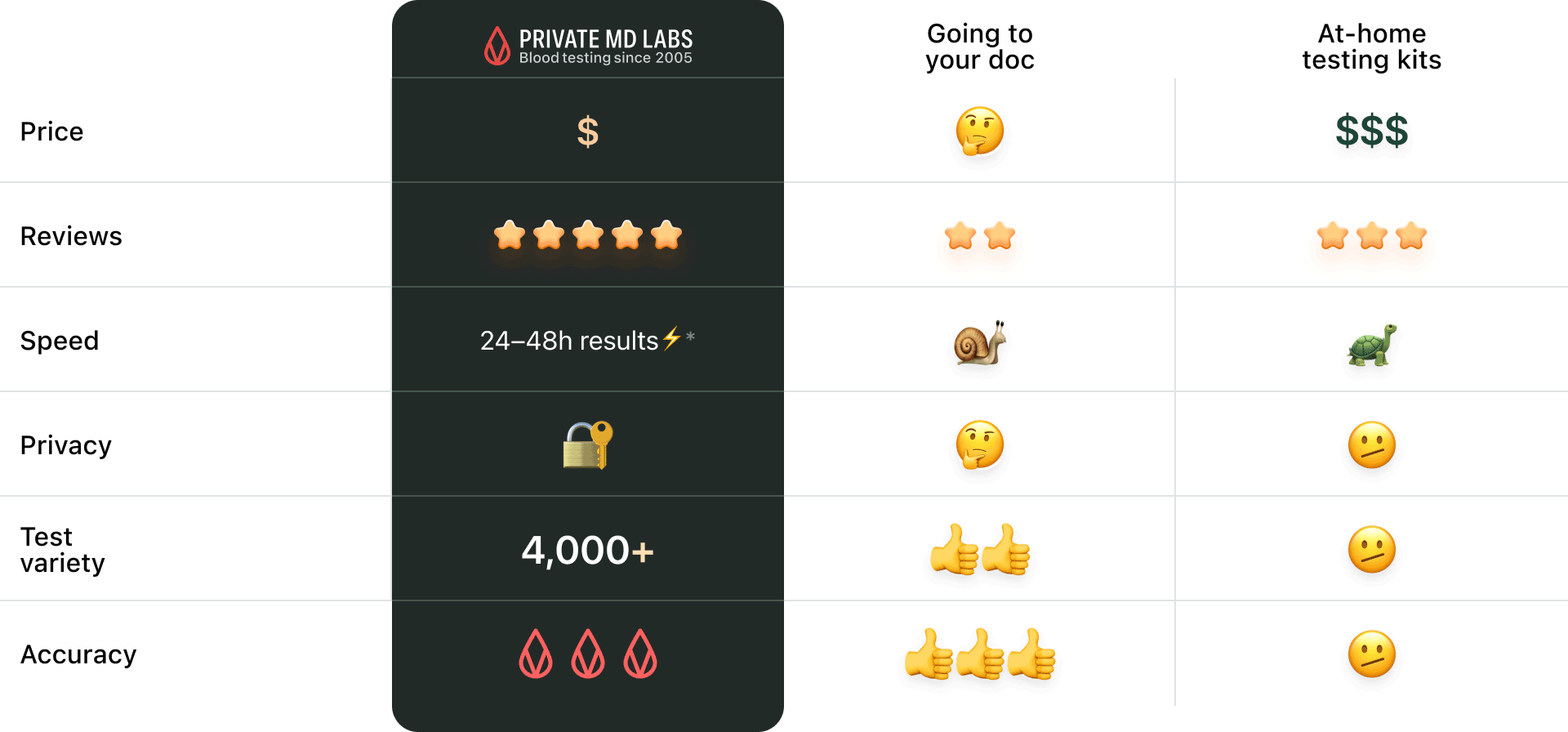
Us vs. Them
Not overhyped or overpriced. Just comprehensive blood testing made simple and for everyone.
* Regular blood test results (e.g., CBC) typically start arriving the next business day after sample collection. More complex tests, such as hormone panels, may take up to 10–15 business days due to their complexity.
1,000,000+ blood tests later, here's what our customers say
Estradiol Ultrasensitive results may get delayed due to high lab volume.It’s a nationwide delay affecting all labs (not just us). Standard processing times apply to all other tests in this panel.
Lipoprotein extended turnaround
Lipoprotein Fractionation, Ion Mobility results may get delayed due to high lab volume.It’s a nationwide delay affecting all labs (not just us). Standard processing times apply to all other tests in this panel.
Pregnenolone extended turnaround
Pregnenolone results may get delayed due to high lab volume.It’s a nationwide delay affecting all labs (not just us). Standard processing times apply to all other tests in this panel.



 90-day money-back guarantee
 Lab order in minutes
 Save a trip to the doctor
 Low prices since 2005
 Labs within 2 miles