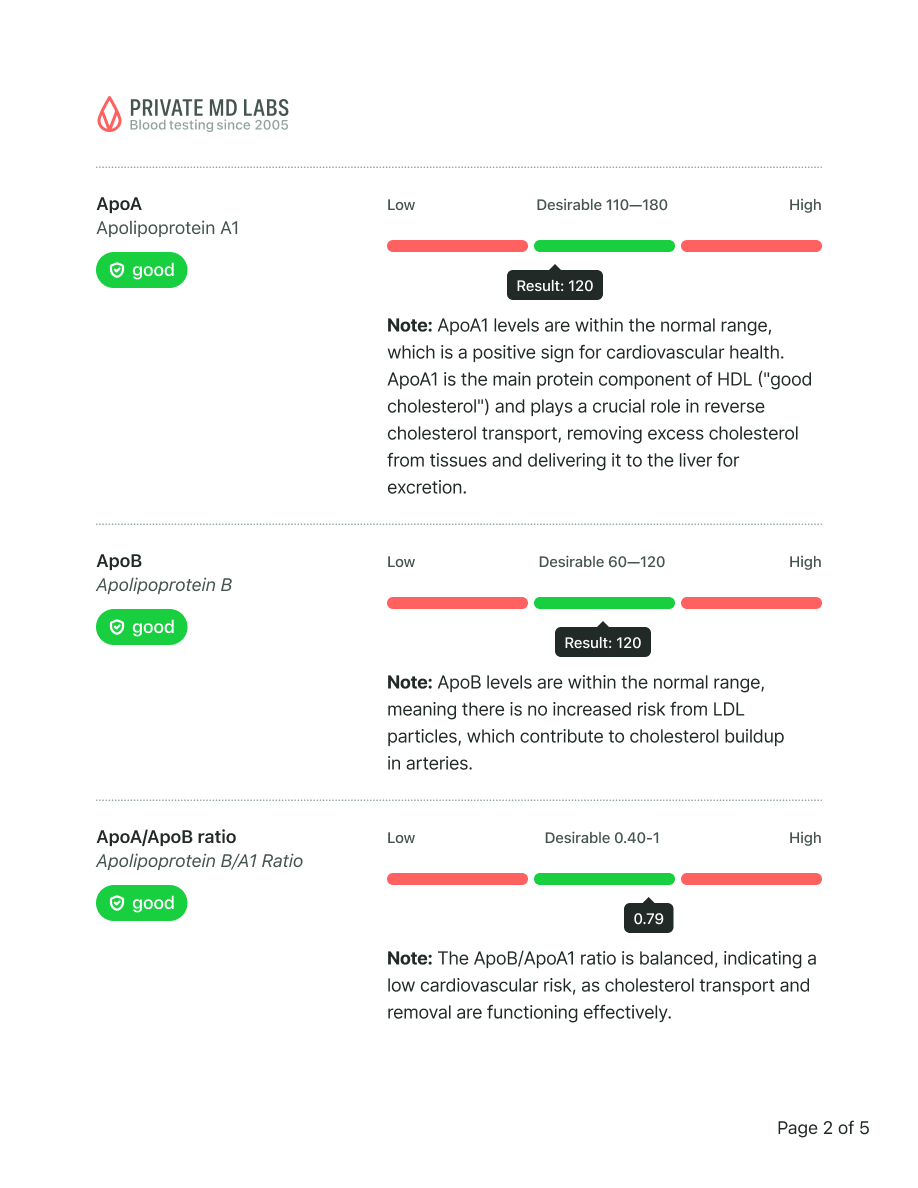
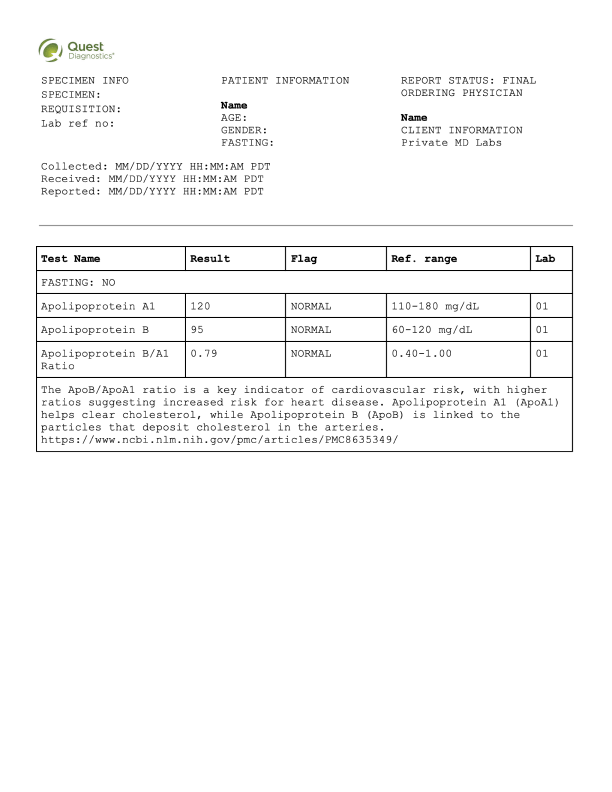
Sample results
Gout is a painful form of arthritis causing sudden, severe attacks of joint pain, swelling, and redness, most commonly in the big toe. It is caused by elevated uric acid levels in the blood that form sharp crystals around joints. The Uric Acid Serum Test is the most important test for diagnosis because it directly measures blood uric acid levels.
Gout is caused by hyperuricemia, which is abnormally high levels of uric acid in the blood. When uric acid concentrations exceed the saturation point, sharp needle-like crystals called monosodium urate crystals form and deposit in joints, triggering sudden, intense inflammation. This excess uric acid results from either overproduction by the body, decreased elimination by the kidneys, or a combination of both factors.
The Uric Acid Serum Test is the most important test for gout because it directly measures the concentration of uric acid in your blood, with levels above 6.8 mg/dL indicating hyperuricemia that can lead to gout attacks. For comprehensive assessment during acute flare-ups, the Interleukin-1 Beta test measures the inflammatory response driving your joint pain and swelling. The Urinalysis Complete Profile provides additional diagnostic confirmation by detecting uric acid crystals in your urine, helping identify whether your body is overproducing or under-excreting uric acid.
You should get tested if you experience sudden, intense joint pain that starts at night or early morning, especially in your big toe, or if you notice swelling, redness, and extreme tenderness in any joint. Testing is also important if you have recurrent episodes of joint inflammation, a family history of gout, kidney stones, or risk factors like high blood pressure, obesity, or frequent alcohol consumption. Early testing helps prevent future attacks and joint damage.
What this means
Your testosterone levels are slightly below the optimal range. While this is not necessarily cause for concern, it may contribute to occasional fatigue, reduced motivation, or lower muscle mass over time.
Recommended actions
Increase resistance or strength training
Prioritize 7–8 hours of quality sleep per night, try to reduce stress
Include more zinc- and magnesium-rich foods (like shellfish, beef, pumpkin seeds, spinach)
Consider retesting in 3–6 months
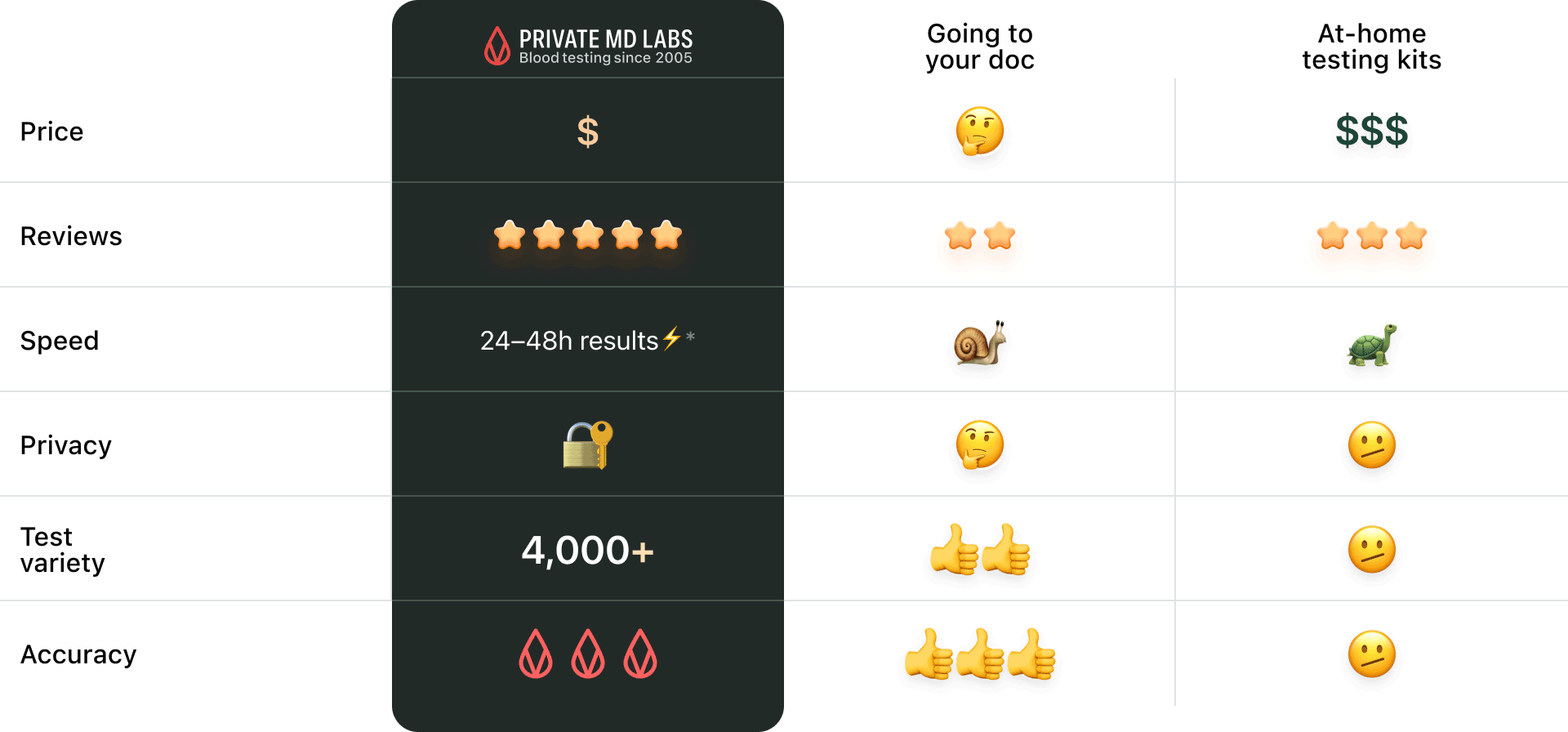
Not overhyped or overpriced. Just comprehensive blood testing made simple and for everyone.
Sample results
Your 24/7 Lab Guide
Quick questions: