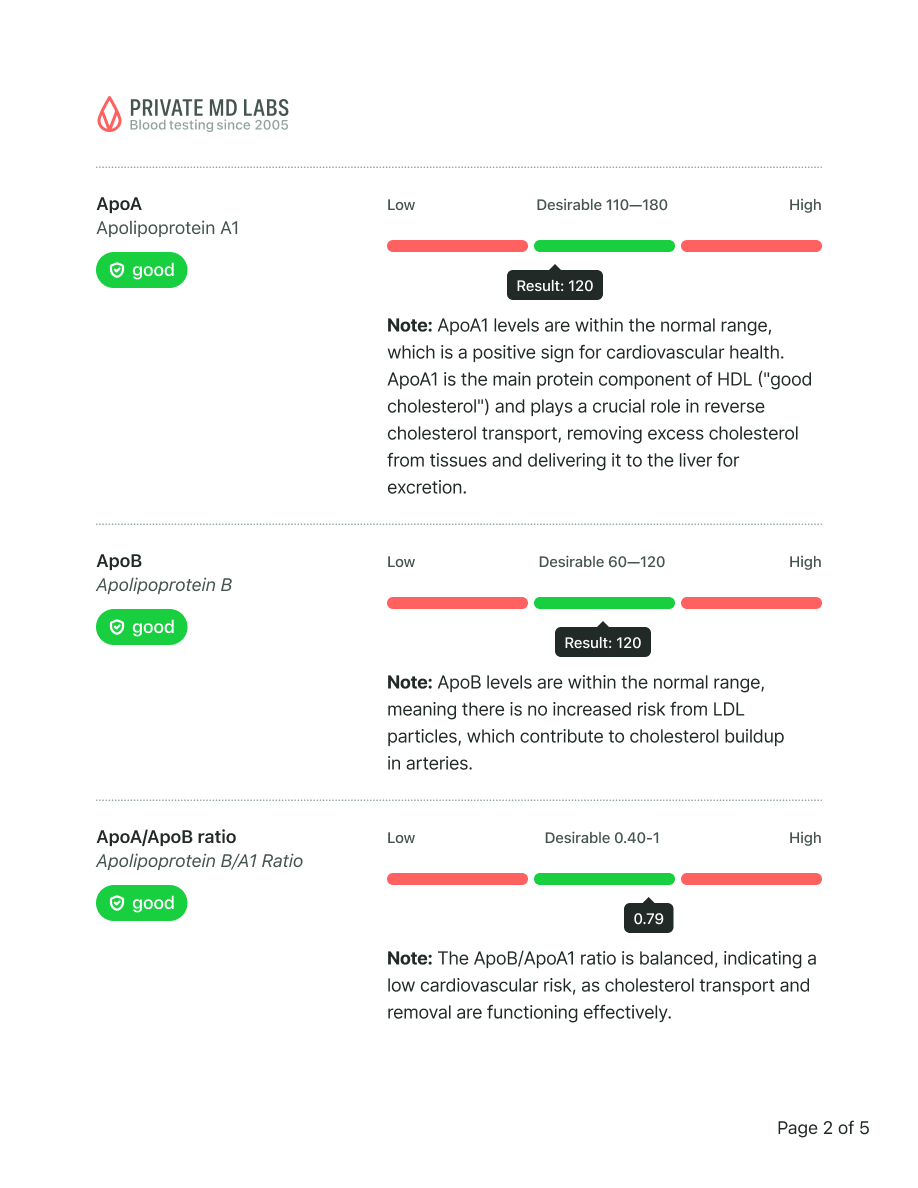
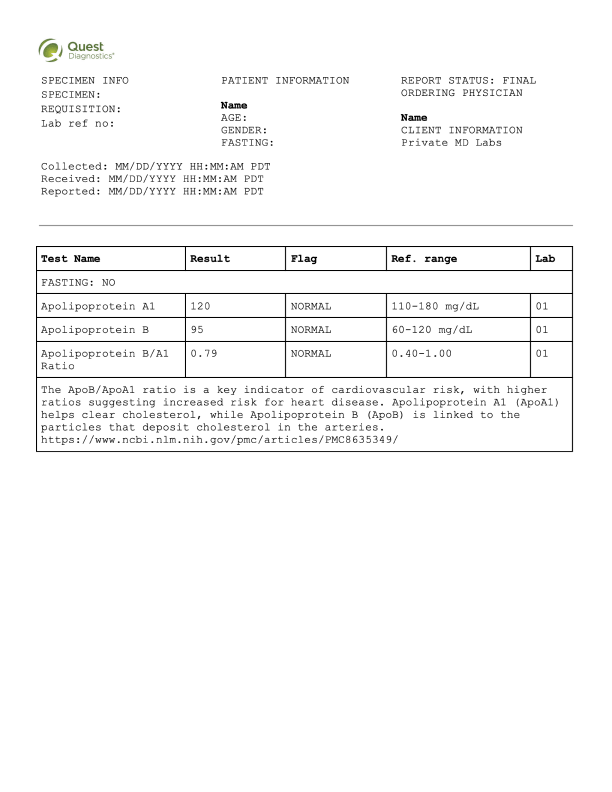
Sample results
Goose feather allergy is an immune system reaction to proteins found in goose feathers commonly encountered in bedding, pillows, and down products. It is caused by the immune system producing IgG antibodies against goose feather proteins, leading to sensitization and allergic responses. The Allergen Specific IgG Goose Feathers test is the most important test for diagnosis as it directly measures these antibodies in your blood.
Goose feather allergy is caused by your immune system producing IgG antibodies in response to proteins found in goose feathers. When you come into contact with goose feathers in bedding, pillows, comforters, or down jackets, these proteins enter your respiratory system or contact your skin, triggering an immune response. Your body mistakenly identifies these harmless feather proteins as dangerous invaders and creates antibodies to fight them, leading to allergic symptoms each time you are exposed to goose feather products.
The Allergen Specific IgG Goose Feathers test is the most important test for goose feather allergy because it directly measures the IgG antibodies your immune system produces against goose feather proteins. This blood test provides definitive evidence of sensitization by detecting the specific antibodies circulating in your bloodstream. A positive result confirms that your immune system has been exposed to and reacted against goose feather allergens, helping you identify whether your symptoms are truly caused by goose feathers or by other environmental allergens like dust mites or other feathers.
You should get tested if you notice worsening respiratory symptoms like sneezing, congestion, or wheezing when using down bedding or pillows, if you wake up with nasal congestion or itchy eyes after sleeping on goose feather products, if you experience skin reactions like hives or itching when in contact with down jackets or comforters, or if you have chronic allergy symptoms that improve when you are away from home. Getting tested helps you identify the specific trigger so you can make informed decisions about your bedding and clothing choices.
What this means
Your testosterone levels are slightly below the optimal range. While this is not necessarily cause for concern, it may contribute to occasional fatigue, reduced motivation, or lower muscle mass over time.
Recommended actions
Increase resistance or strength training
Prioritize 7–8 hours of quality sleep per night, try to reduce stress
Include more zinc- and magnesium-rich foods (like shellfish, beef, pumpkin seeds, spinach)
Consider retesting in 3–6 months
Not overhyped or overpriced. Just comprehensive blood testing made simple and for everyone.
Sample results
Your 24/7 Lab Guide
Quick questions: