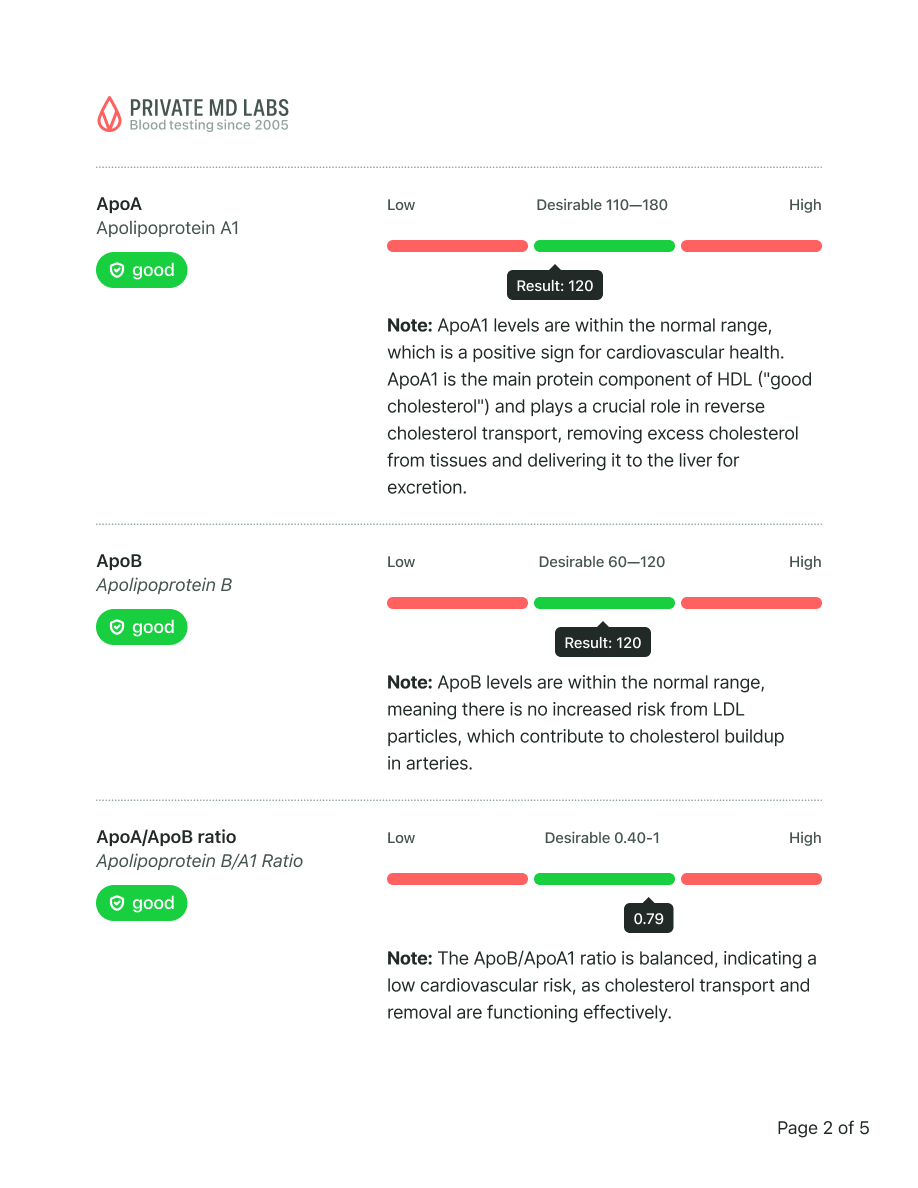
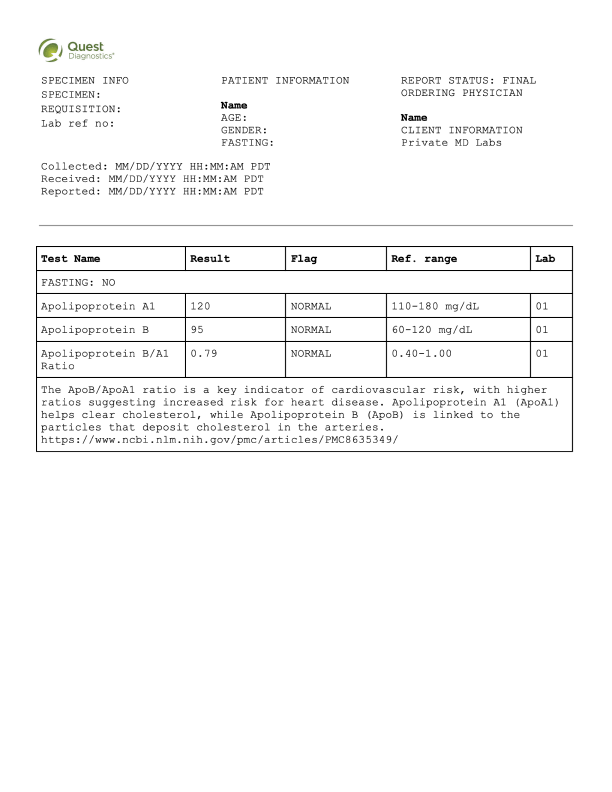
Sample results
Gonorrhea is a sexually transmitted infection that affects the genitals, rectum, and throat. It is caused by the bacterium Neisseria gonorrhoeae, which spreads through sexual contact and often produces no symptoms. The Chlamydia and Gonorrhea Test is the most important test for diagnosis because it directly detects the RNA of the bacteria in urogenital samples.
Gonorrhea is caused by the bacterium Neisseria gonorrhoeae, which spreads through sexual contact including vaginal, anal, and oral sex. The bacteria infect the mucous membranes of the reproductive tract, including the cervix, uterus, and fallopian tubes in women, and the urethra in both men and women. It can also infect the throat, eyes, and rectum, making it a versatile pathogen that requires prompt treatment to prevent complications and transmission to sexual partners.
The Chlamydia and Gonorrhea Test is the most important test for gonorrhea because it directly detects the RNA of Neisseria gonorrhoeae bacteria in urogenital samples, providing definitive proof of an active infection. This nucleic acid amplification test (NAAT) is highly sensitive and specific, meaning it accurately identifies the bacteria even when present in small amounts. The test also screens for chlamydia simultaneously, which is essential because these two STIs often occur together and require different treatment approaches.
You should get tested if you experience unusual discharge from the genitals, burning during urination, pelvic or abdominal pain, or painful bowel movements. Testing is also crucial if you have had unprotected sex with a new partner, if a sexual partner has been diagnosed with an STI, or if you are sexually active with multiple partners. Many people with gonorrhea have no symptoms at all, so regular screening is recommended for anyone who is sexually active, particularly if you are under 25 or have risk factors.
What this means
Your testosterone levels are slightly below the optimal range. While this is not necessarily cause for concern, it may contribute to occasional fatigue, reduced motivation, or lower muscle mass over time.
Recommended actions
Increase resistance or strength training
Prioritize 7–8 hours of quality sleep per night, try to reduce stress
Include more zinc- and magnesium-rich foods (like shellfish, beef, pumpkin seeds, spinach)
Consider retesting in 3–6 months
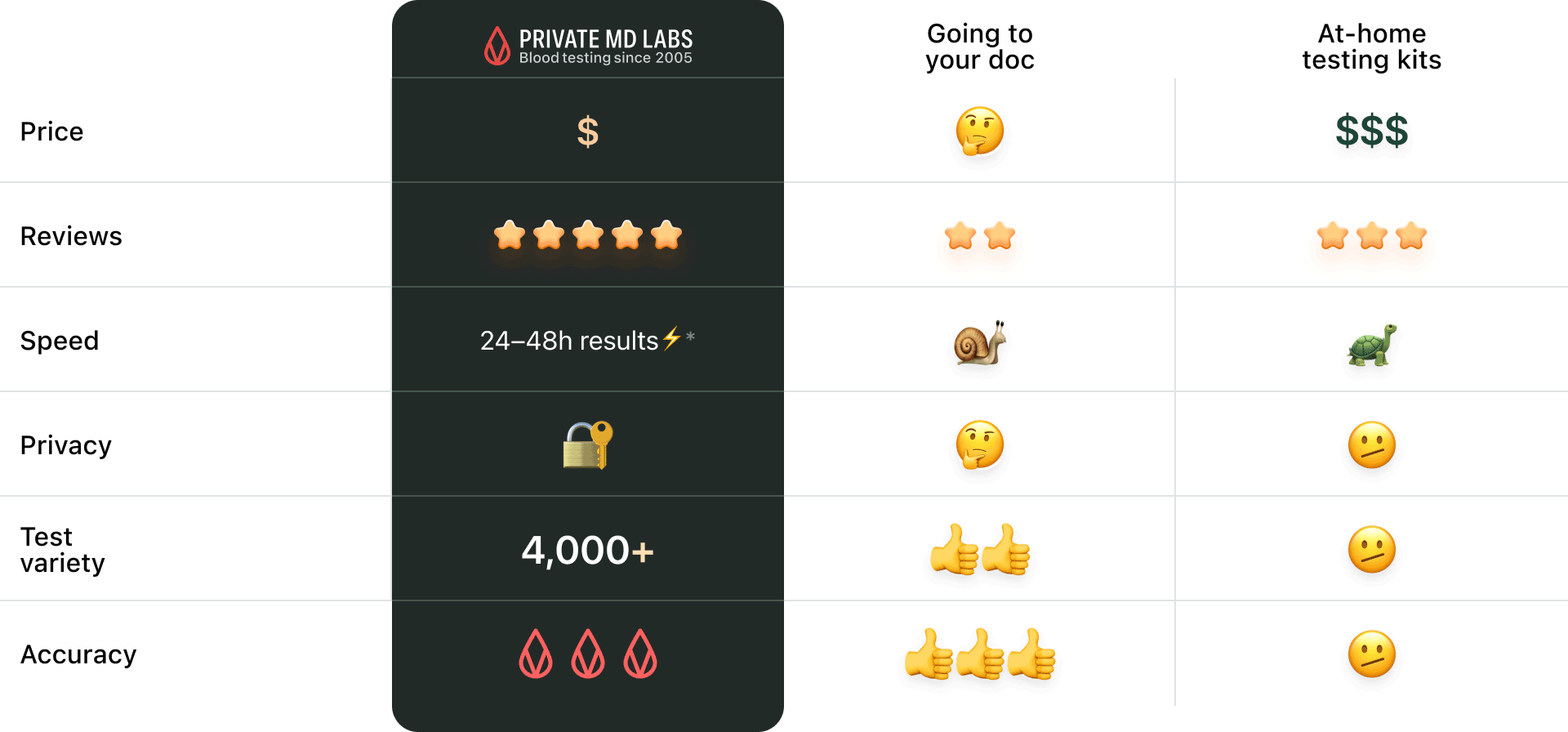
Not overhyped or overpriced. Just comprehensive blood testing made simple and for everyone.
Sample results
Your 24/7 Lab Guide
Quick questions: