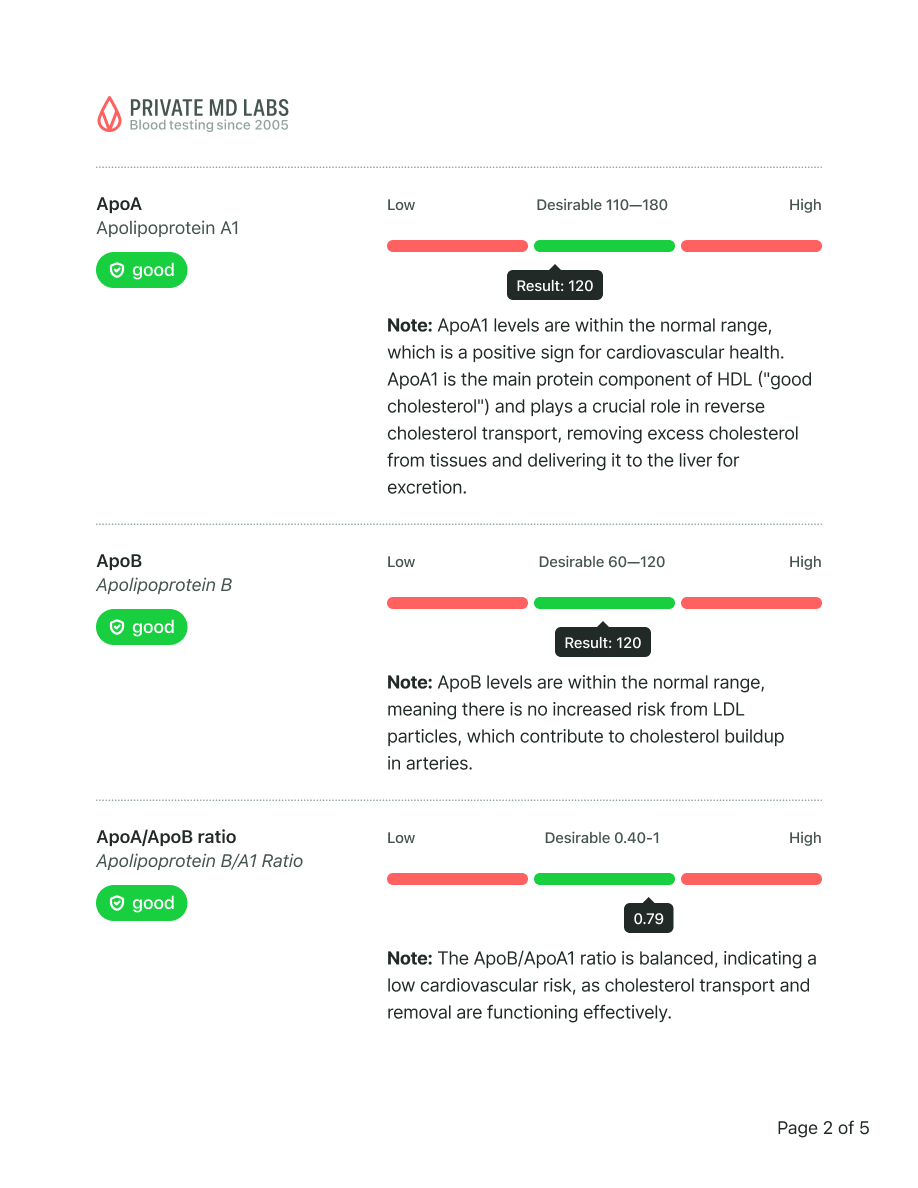
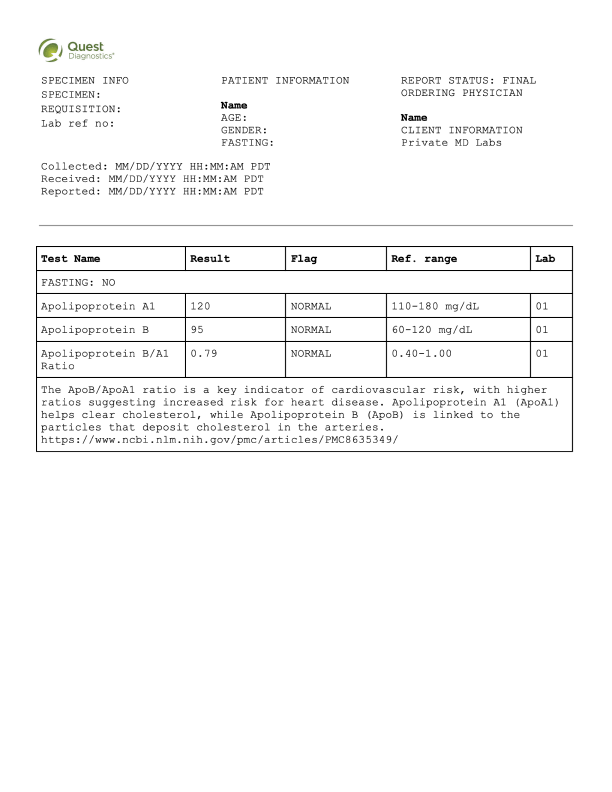
Sample results
Gigantism is a rare hormonal disorder characterized by excessive growth and height significantly above average during childhood. It is caused by overproduction of growth hormone, typically due to a pituitary adenoma (noncancerous tumor in the pituitary gland). The Human Growth Hormone test is the most important test for diagnosing gigantism because it directly measures elevated growth hormone levels in the blood.
Gigantism is caused by overproduction of growth hormone from the pituitary gland, usually due to a pituitary adenoma. This noncancerous tumor disrupts normal hormone regulation and causes the pituitary gland to release excessive amounts of growth hormone during childhood, when growth plates are still open. The continuous overproduction leads to abnormal bone growth and increased height far beyond normal ranges.
The Human Growth Hormone test is the most important test for gigantism because it directly measures growth hormone levels in your blood. This test detects elevated growth hormone concentrations that indicate overproduction by the pituitary gland. Your doctor may also order an IGF-1 (insulin-like growth factor 1) test, which measures a hormone produced by the liver in response to growth hormone. Because growth hormone levels fluctuate throughout the day, your healthcare provider may perform a glucose suppression test, where growth hormone is measured after you drink a glucose solution—in healthy individuals, growth hormone levels should drop, but in gigantism, they remain elevated.
You should get tested if your child shows excessive height growth compared to peers, hands or feet are unusually large for their age, or facial features appear enlarged or coarsened. Other warning signs include delayed puberty, vision problems, headaches, or increased sweating. Early testing is crucial because gigantism is most treatable when caught before growth plates close in adolescence, and untreated cases can lead to serious complications including heart disease, diabetes, and arthritis.
What this means
Your testosterone levels are slightly below the optimal range. While this is not necessarily cause for concern, it may contribute to occasional fatigue, reduced motivation, or lower muscle mass over time.
Recommended actions
Increase resistance or strength training
Prioritize 7–8 hours of quality sleep per night, try to reduce stress
Include more zinc- and magnesium-rich foods (like shellfish, beef, pumpkin seeds, spinach)
Consider retesting in 3–6 months
Not overhyped or overpriced. Just comprehensive blood testing made simple and for everyone.
Sample results
Your 24/7 Lab Guide
Quick questions: