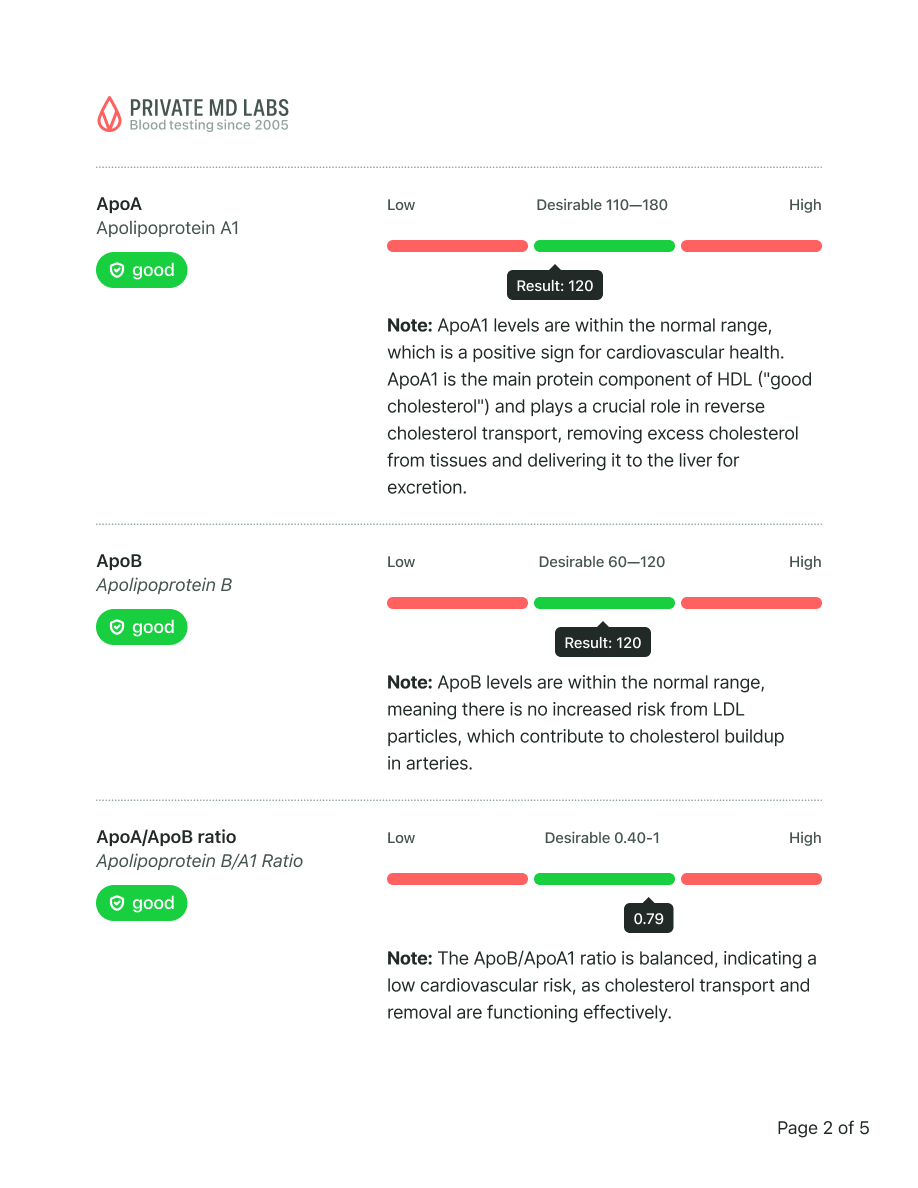
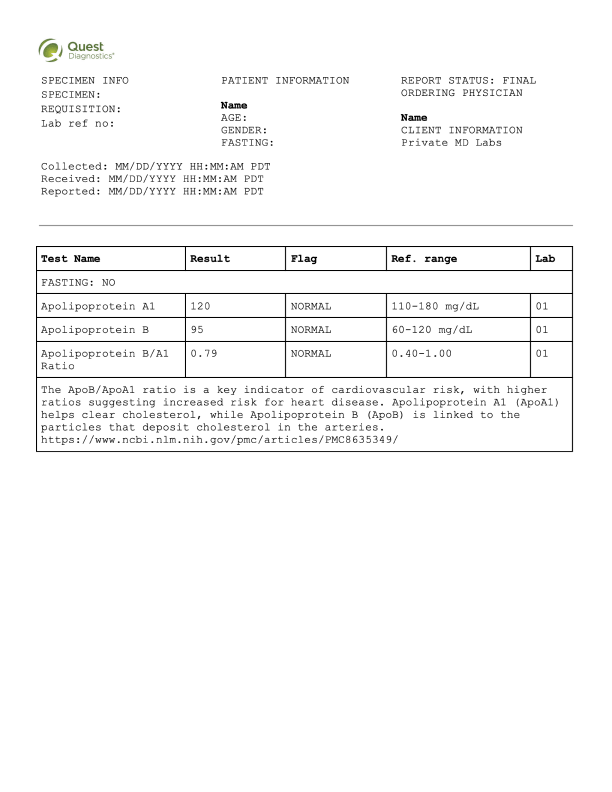
Sample results
Giant Cell Arteritis is a form of vasculitis that causes inflammation of large and medium-sized arteries, particularly in the head and neck. It is caused by immune system dysfunction that triggers inflammatory cells to attack arterial walls, with elevated Interleukin-6 (IL-6) playing a central role in disease progression. The Interleukin-6 (IL-6) Serum test is the most important blood test for assessing disease activity and monitoring inflammation in Giant Cell Arteritis.
Giant Cell Arteritis is caused by immune system dysfunction that triggers abnormal inflammatory responses targeting arterial walls. The immune system mistakenly attacks the lining of large and medium-sized arteries, particularly the temporal arteries in the head and neck. Elevated levels of Interleukin-6 (IL-6), a pro-inflammatory cytokine, drive the inflammatory cascade that damages blood vessel walls and causes the characteristic symptoms of headaches, vision problems, and jaw pain.
The Interleukin-6 (IL-6) Serum test is the most important blood test for Giant Cell Arteritis because it directly measures the key inflammatory marker driving disease activity. Elevated IL-6 levels indicate active inflammation in arterial walls and help healthcare providers assess disease severity and monitor treatment response. While temporal artery biopsy remains the gold standard for diagnosis, the IL-6 test provides crucial information about ongoing inflammation and is especially valuable for tracking how well anti-inflammatory treatments are working over time.
You should get tested if you are over 50 years old and experience new persistent headaches, especially in the temple area, vision changes or sudden vision loss, jaw pain when chewing, scalp tenderness when brushing your hair, or unexplained fever and fatigue. Testing is particularly urgent if you notice any vision problems, as Giant Cell Arteritis can cause permanent blindness if left untreated. You should also consider testing if you have been diagnosed with polymyalgia rheumatica, a related inflammatory condition that often occurs alongside Giant Cell Arteritis.
What this means
Your testosterone levels are slightly below the optimal range. While this is not necessarily cause for concern, it may contribute to occasional fatigue, reduced motivation, or lower muscle mass over time.
Recommended actions
Increase resistance or strength training
Prioritize 7–8 hours of quality sleep per night, try to reduce stress
Include more zinc- and magnesium-rich foods (like shellfish, beef, pumpkin seeds, spinach)
Consider retesting in 3–6 months
Not overhyped or overpriced. Just comprehensive blood testing made simple and for everyone.
Sample results
Your 24/7 Lab Guide
Quick questions: