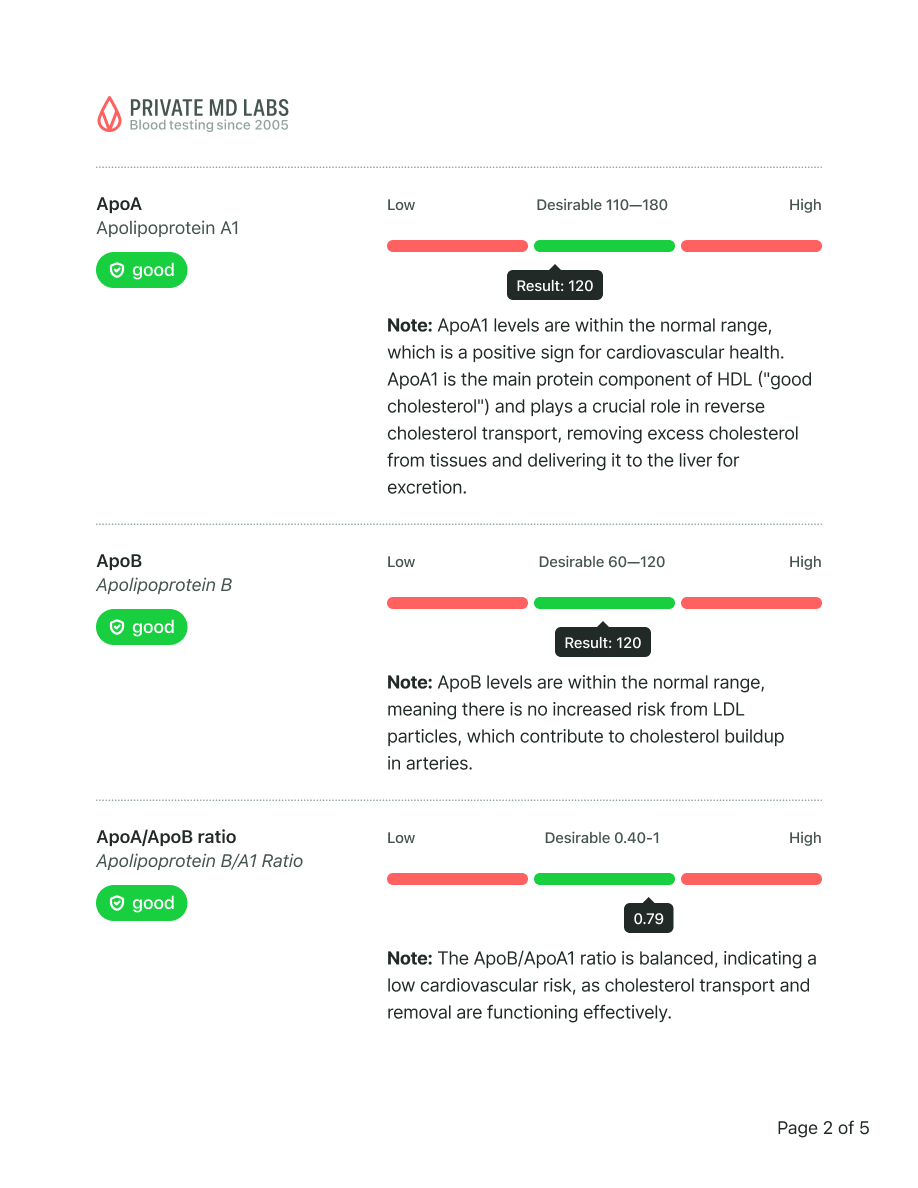
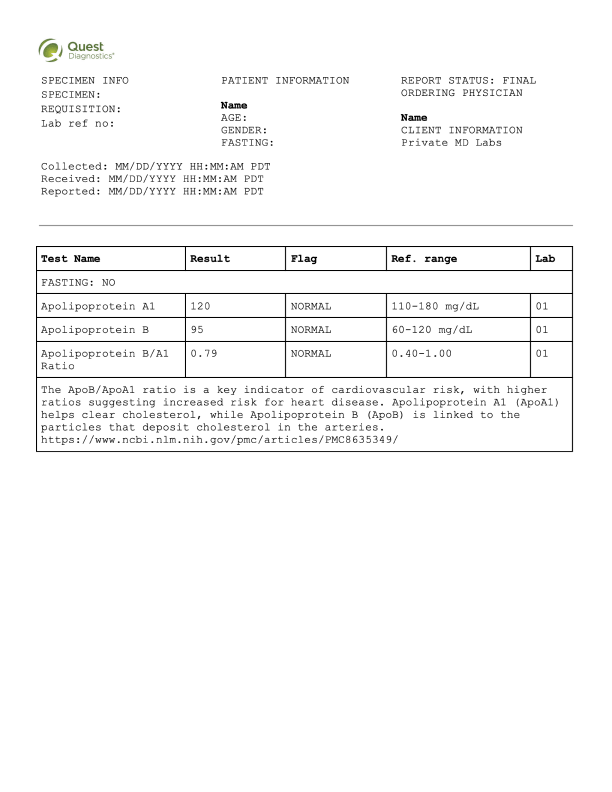
Sample results
Folate overload is an excessive accumulation of folic acid in the body from high-dose supplements or fortified foods. It is caused by unmetabolized folic acid building up in the bloodstream when intake exceeds the body's capacity to convert it to active folate. The Folate (Folic Acid) test is the most important test for diagnosis because it measures blood folate levels to identify dangerous elevations that may mask vitamin B12 deficiency.
Folate overload is caused by excessive intake of folic acid supplements or fortified foods that contain synthetic folic acid. When you consume more folic acid than your body can process and convert to its active form, unmetabolized folic acid accumulates in your bloodstream. This typically happens with high-dose supplements exceeding 1,000 mcg daily or combining multiple fortified foods with supplements, creating a buildup that can interfere with detecting other serious nutritional deficiencies.
The Folate (Folic Acid) test is the most important test for folate overload because it measures the total amount of folate circulating in your blood to detect excessive levels from supplement intake. This test identifies elevated folate concentrations that indicate unmetabolized folic acid buildup, which is critical because high folate levels can mask vitamin B12 deficiency by correcting the anemia while allowing dangerous neurological damage to progress undetected. Testing folate levels helps ensure your supplementation stays within safe ranges and doesn't hide other nutritional problems that need treatment.
You should get tested if you take daily folic acid supplements exceeding 400-800 mcg, consume multiple fortified foods like cereals and breads while also taking supplements, or have been advised to monitor your folate levels by a healthcare provider. Testing is especially important if you experience unexplained fatigue, numbness, or tingling that could signal vitamin B12 deficiency being masked by high folate. You should also consider testing before starting high-dose folate supplementation to establish your baseline levels.
What this means
Your testosterone levels are slightly below the optimal range. While this is not necessarily cause for concern, it may contribute to occasional fatigue, reduced motivation, or lower muscle mass over time.
Recommended actions
Increase resistance or strength training
Prioritize 7–8 hours of quality sleep per night, try to reduce stress
Include more zinc- and magnesium-rich foods (like shellfish, beef, pumpkin seeds, spinach)
Consider retesting in 3–6 months
Not overhyped or overpriced. Just comprehensive blood testing made simple and for everyone.
Sample results
Your 24/7 Lab Guide
Quick questions: