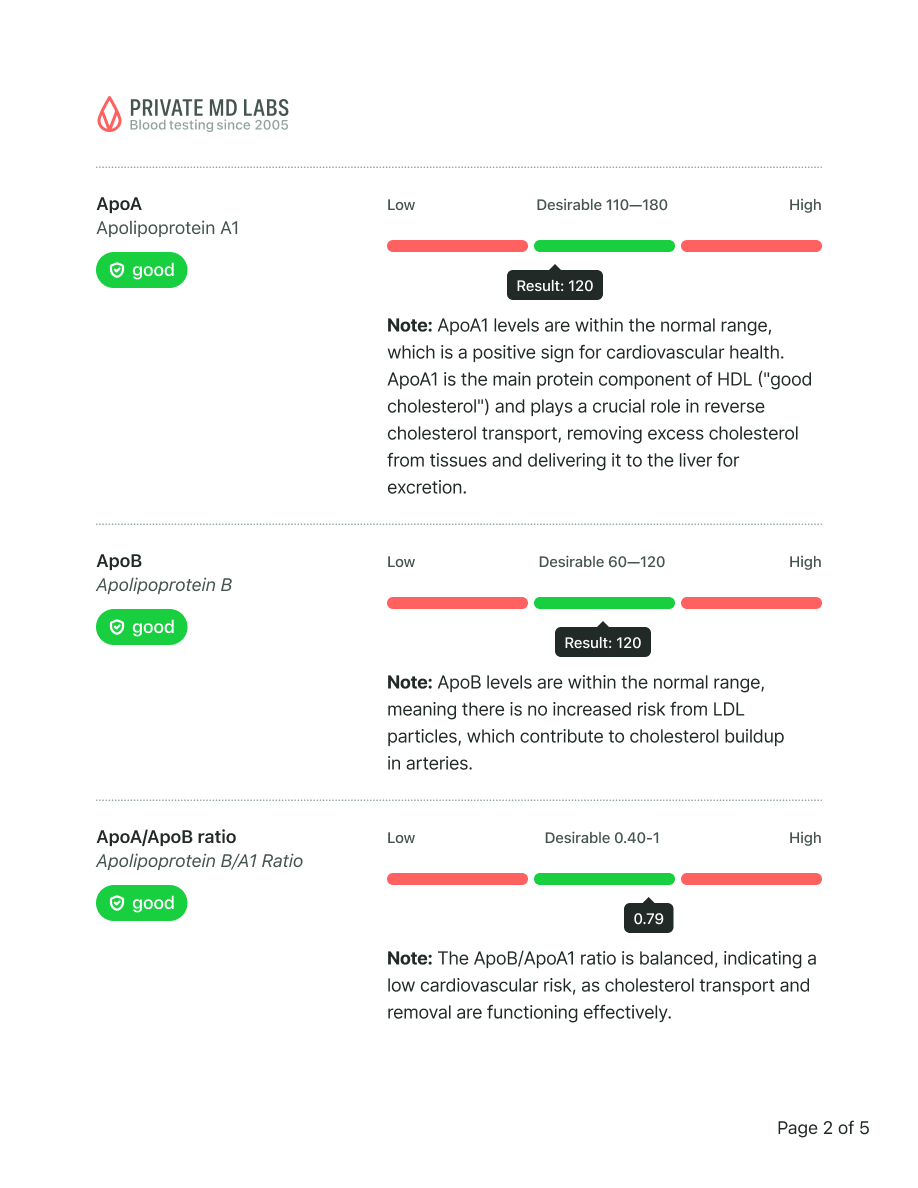
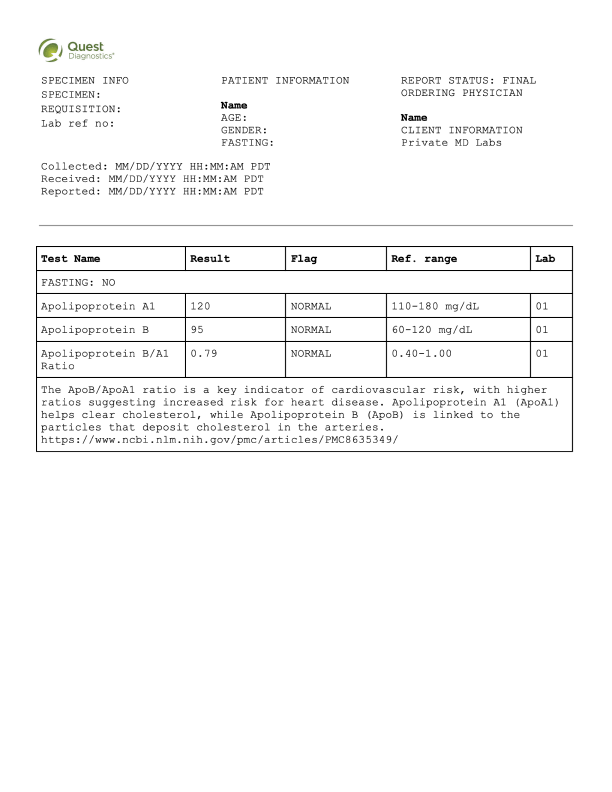
Sample results
A false positive result occurs when a blood test incorrectly indicates the presence of a condition, infection, or antibody when it is actually absent. It is caused by cross-reactivity from autoimmune conditions, recent vaccinations, or other viral infections that trigger antibodies mimicking the target markers. The HIV 1/2 Antigen and Antibodies, Fourth Generation test is the most important test requiring confirmatory testing when false positives occur.
False positive blood test results are caused by antibody cross-reactivity, where your immune system produces antibodies that mistakenly react with test components. Autoimmune diseases like lupus or rheumatoid arthritis, recent vaccinations, pregnancy, and other viral infections can trigger these cross-reactive antibodies. Technical laboratory issues or interference from medications can also lead to false positives, which is why healthcare providers order confirmatory testing using different methodologies when results seem inconsistent with your symptoms.
The HIV 1/2 Antigen and Antibodies, Fourth Generation test is the most important test requiring confirmatory follow-up when false positives occur, as autoimmune diseases can cause cross-reactive antibodies. For Hepatitis B, the Hep B Core Antibody, IgM test needs confirmation through additional hepatitis panels when false positives arise from other viral infections. The Cytomegalovirus (CMV) Antibodies, IgM, Quantitative test requires follow-up testing particularly in pregnant women or those with autoimmune conditions. The QuantiFERON-TB Gold Plus test needs clinical correlation when false positives occur in BCG-vaccinated individuals or those exposed to non-tuberculosis mycobacteria. Confirmatory testing uses different methodologies to distinguish true infections from false positives.

You should get confirmatory testing immediately if you receive an unexpected positive result that does not match your symptoms or risk factors. Get tested if you have autoimmune conditions like lupus or rheumatoid arthritis before accepting an initial positive result. You need follow-up testing if you recently received vaccinations, are pregnant, or have had other recent infections that could cause cross-reactivity. Healthcare providers typically order confirmatory tests automatically when screening results seem inconsistent with clinical presentation to ensure accurate diagnosis before starting any treatment.
What this means
Your testosterone levels are slightly below the optimal range. While this is not necessarily cause for concern, it may contribute to occasional fatigue, reduced motivation, or lower muscle mass over time.
Recommended actions
Increase resistance or strength training
Prioritize 7–8 hours of quality sleep per night, try to reduce stress
Include more zinc- and magnesium-rich foods (like shellfish, beef, pumpkin seeds, spinach)
Consider retesting in 3–6 months
Not overhyped or overpriced. Just comprehensive blood testing made simple and for everyone.
Sample results
Your 24/7 Lab Guide
Quick questions: