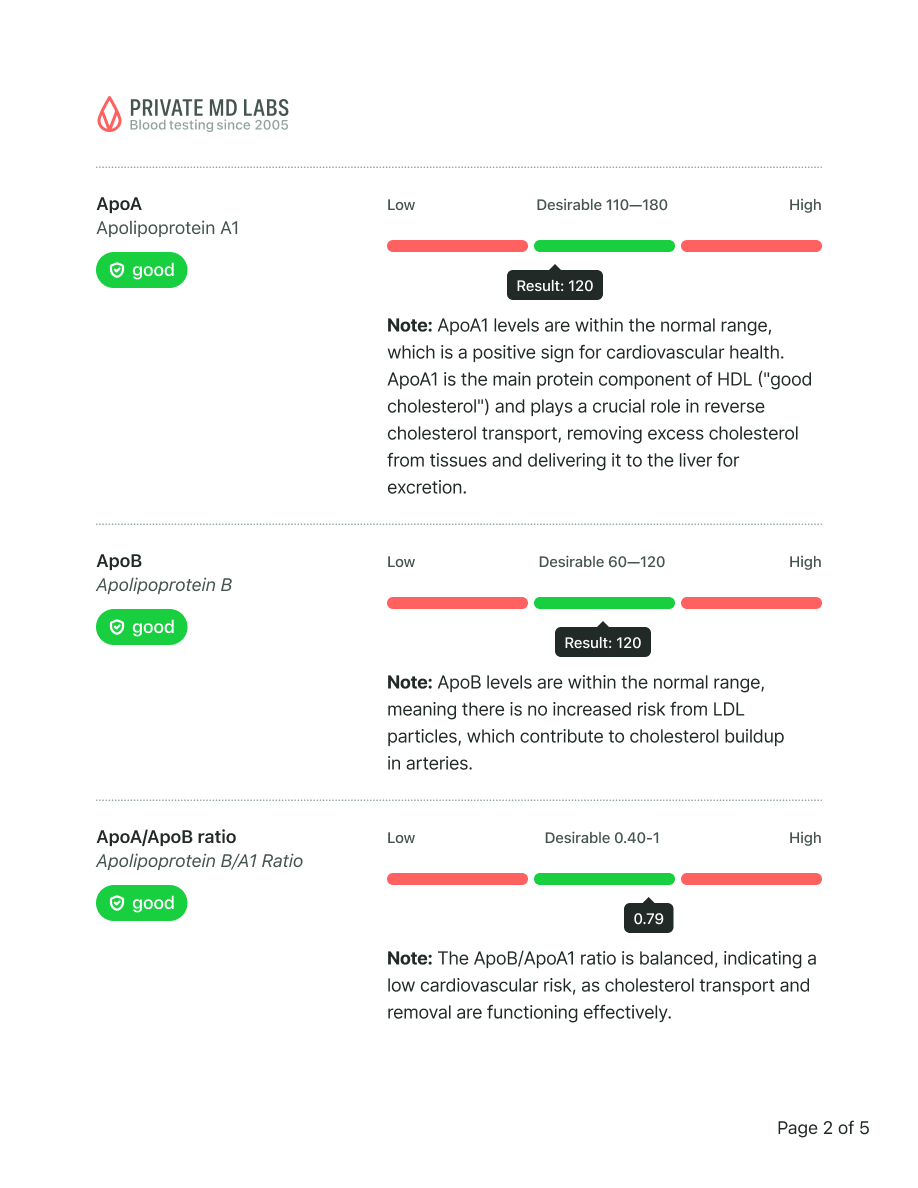
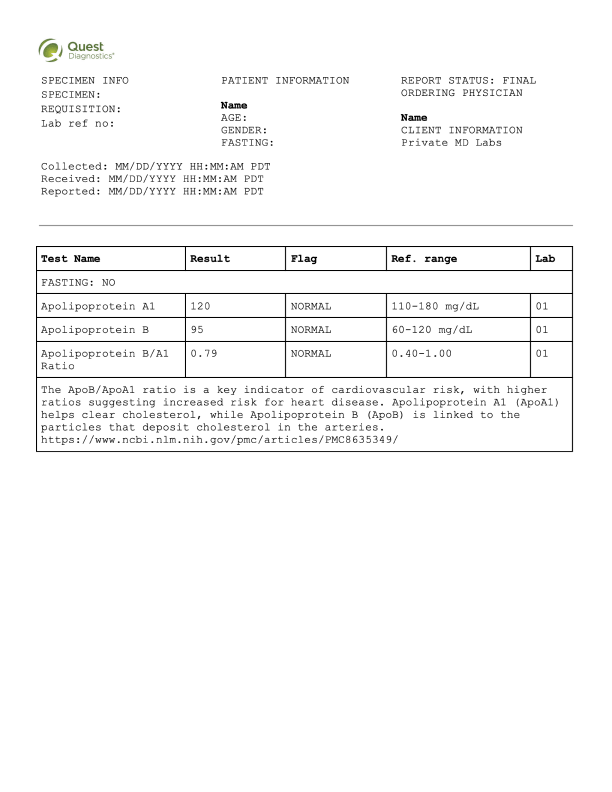
Sample results
False positive Flavivirus infections occur when antibody tests incorrectly indicate the presence of a viral infection that is not actually present due to cross-reactivity between closely related viruses. This happens because Flaviviruses like dengue, Zika, yellow fever, and West Nile virus share similar protein structures, causing antibodies from one infection to trigger positive results on tests for another. The Dengue Fever Antibodies test (IgG, IgM) is the most important test for understanding this cross-reactivity, as dengue antibodies commonly react with other Flavivirus tests.
False positive Flavivirus test results are caused by antibody cross-reactivity between closely related viruses in the Flavivirus family, including dengue, Zika, yellow fever, and West Nile virus. These viruses share similar protein structures on their surfaces, which means antibodies your immune system produces against one Flavivirus can mistakenly bind to and react with test antigens designed to detect a different Flavivirus. This cross-reactivity is particularly common when you have been previously infected with one Flavivirus or have received a yellow fever vaccination, as the antibodies in your blood can trigger positive results on tests for other Flaviviruses you have never actually encountered.
The Dengue Fever Antibodies (IgG, IgM) test is the most important test for understanding Flavivirus cross-reactivity because it detects the specific antibodies that commonly cause false positive results on tests for other Flaviviruses like Zika, West Nile virus, and yellow fever. This test measures both IgM antibodies (indicating recent infection) and IgG antibodies (indicating past infection or vaccination), which helps healthcare providers determine if a positive result on another Flavivirus test might actually be due to dengue antibodies rather than the virus being tested for. When combined with your travel history, vaccination records, and clinical symptoms, this test provides crucial information for distinguishing between true infections and cross-reactive false positives.

You should get tested if you have received a positive result on a Flavivirus test (such as Zika or West Nile) but have symptoms that do not match the diagnosed infection, if you have a history of dengue infection or yellow fever vaccination and are now being tested for a different Flavivirus, or if you are pregnant and received a positive Zika test result that needs confirmation. Testing is also important if you have traveled to areas where multiple Flaviviruses are common and need to determine which specific virus caused your illness. Early testing helps prevent misdiagnosis and ensures you receive appropriate medical care based on accurate identification of the actual infection.
What this means
Your testosterone levels are slightly below the optimal range. While this is not necessarily cause for concern, it may contribute to occasional fatigue, reduced motivation, or lower muscle mass over time.
Recommended actions
Increase resistance or strength training
Prioritize 7–8 hours of quality sleep per night, try to reduce stress
Include more zinc- and magnesium-rich foods (like shellfish, beef, pumpkin seeds, spinach)
Consider retesting in 3–6 months
Not overhyped or overpriced. Just comprehensive blood testing made simple and for everyone.
Sample results
Your 24/7 Lab Guide
Quick questions: