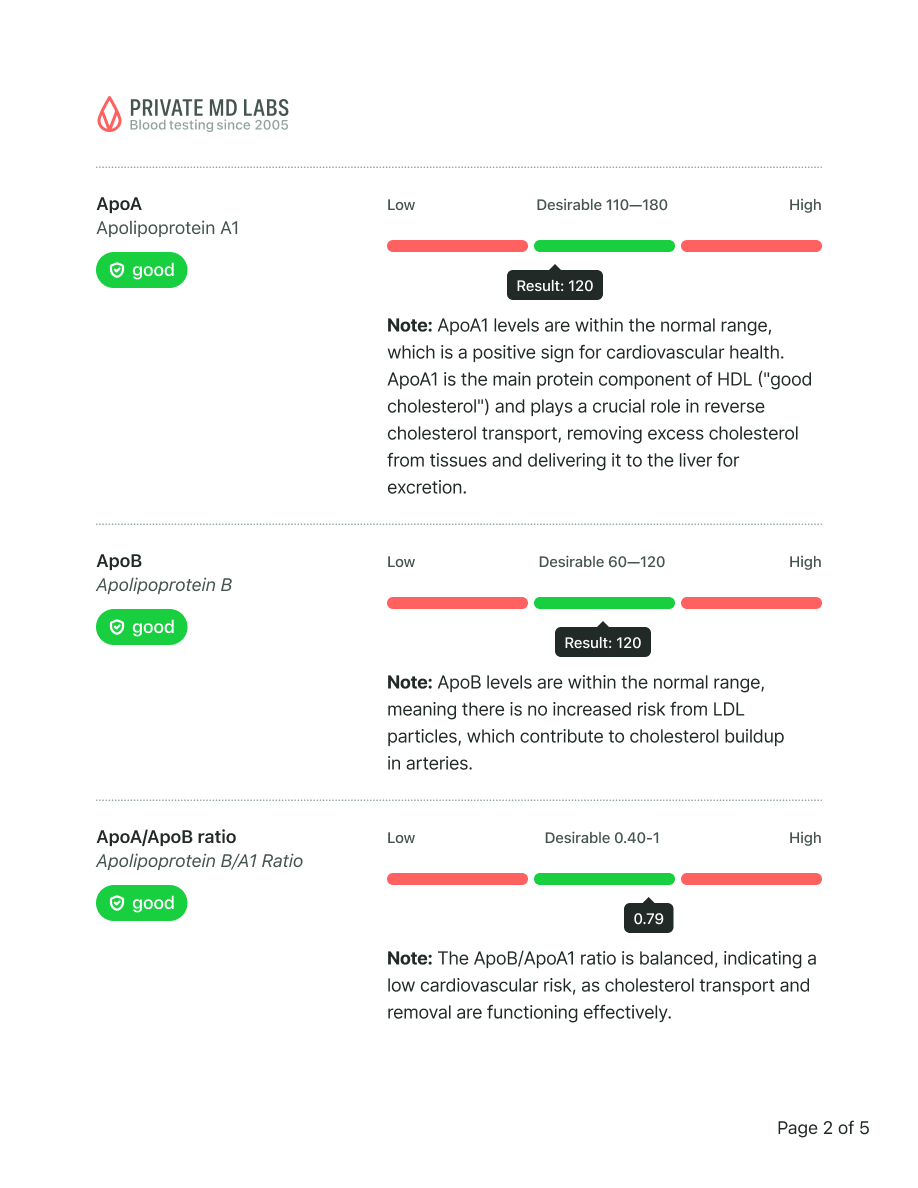
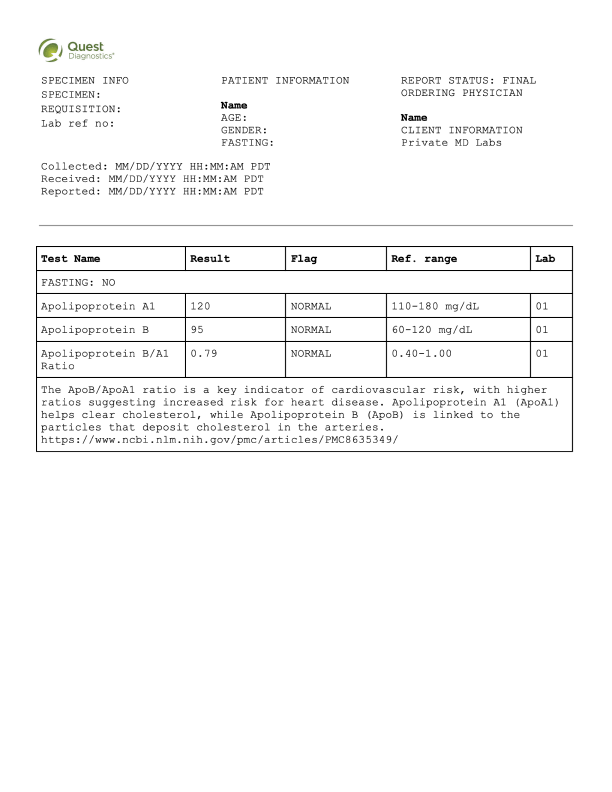
Sample results
Factor VII deficiency is a rare inherited bleeding disorder characterized by abnormal or prolonged bleeding episodes. It is caused by low levels or complete absence of Factor VII protein, which is essential for the extrinsic pathway of blood clotting. The Prothrombin Time (PT/INR) test is the most important test for diagnosis because it directly measures clotting time affected by Factor VII levels.
Factor VII deficiency is caused by genetic mutations that reduce or eliminate production of Factor VII protein in the blood. These mutations are inherited in an autosomal recessive pattern, meaning a person must inherit two defective genes (one from each parent) to develop the condition. Some individuals inherit only one defective gene and become carriers, typically experiencing mild or no symptoms, while those with two defective genes may have moderate to severe bleeding complications.
The Prothrombin Time (PT/INR) test is the most important test for Factor VII deficiency because it directly measures the clotting time of the extrinsic pathway where Factor VII plays a critical role. A prolonged PT/INR result indicates that Factor VII levels are insufficient to promote normal blood clotting. When this test shows abnormal results, your healthcare provider may order additional specialized coagulation studies to measure Factor VII activity levels specifically and determine the severity of the deficiency. These follow-up tests help distinguish Factor VII deficiency from other clotting disorders and guide treatment decisions.
You should get tested if you experience unexplained prolonged bleeding after minor cuts or injuries, excessive bleeding after dental procedures or surgery, frequent nosebleeds that are difficult to stop, easy bruising without obvious trauma, or if you have a family history of bleeding disorders. Women should also consider testing if they experience unusually heavy menstrual periods. Early diagnosis is important because knowing about Factor VII deficiency before planned surgeries or dental work allows healthcare providers to take preventive measures to reduce bleeding complications.
What this means
Your testosterone levels are slightly below the optimal range. While this is not necessarily cause for concern, it may contribute to occasional fatigue, reduced motivation, or lower muscle mass over time.
Recommended actions
Increase resistance or strength training
Prioritize 7–8 hours of quality sleep per night, try to reduce stress
Include more zinc- and magnesium-rich foods (like shellfish, beef, pumpkin seeds, spinach)
Consider retesting in 3–6 months
Not overhyped or overpriced. Just comprehensive blood testing made simple and for everyone.
Sample results
Your 24/7 Lab Guide
Quick questions: