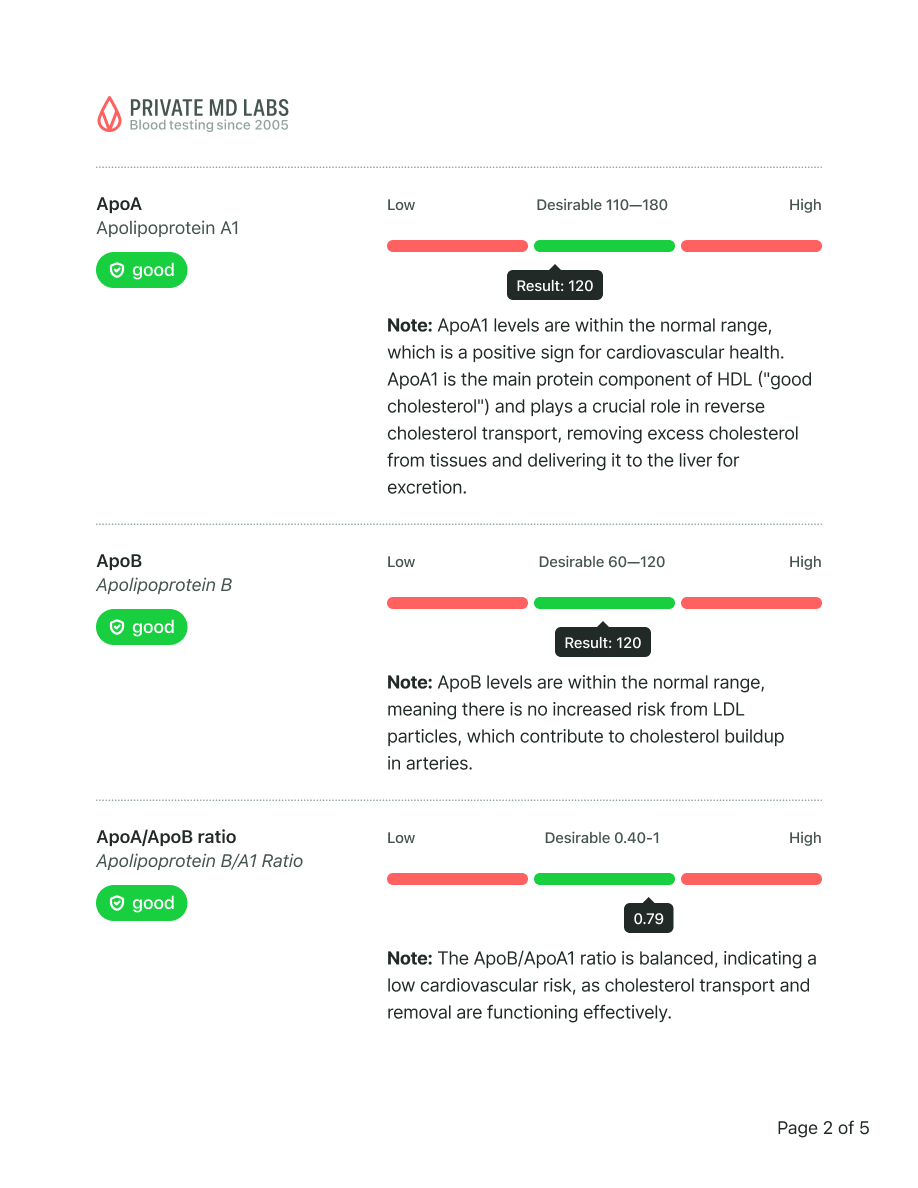
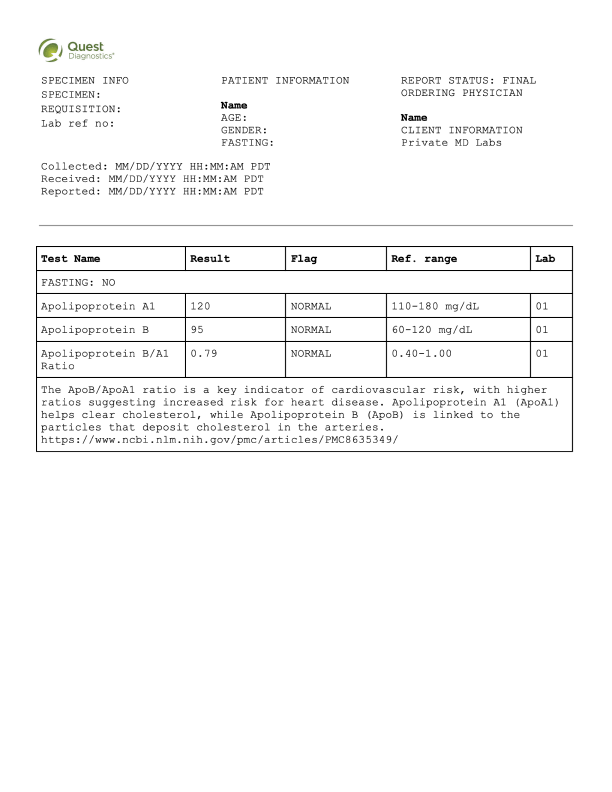
Sample results
Euthyroid Sick Syndrome is a thyroid hormone imbalance that occurs during severe illness or critical medical conditions despite having a structurally normal thyroid gland. It is caused by the body converting T4 thyroid hormone into inactive reverse T3 instead of active T3 as an energy conservation mechanism during physical stress. The Reverse T3 LC/MS/MS test is the most important test for diagnosis because elevated reverse T3 levels are the hallmark finding that confirms this condition.
Euthyroid Sick Syndrome is caused by severe illness, critical medical conditions, major surgery, severe infections, or significant physical stress that triggers the body to alter its thyroid hormone metabolism. During these stressful situations, your body shifts from converting T4 (thyroxine) into active T3 (triiodothyronine) and instead produces more reverse T3 (rT3), an inactive form of the hormone. This metabolic adaptation helps conserve energy when your body is fighting serious illness or recovering from major trauma.
The Reverse T3 LC/MS/MS test is the most important test for Euthyroid Sick Syndrome because it directly measures the elevated levels of reverse T3 that characterize this condition. This specialized test uses liquid chromatography-tandem mass spectrometry technology to provide highly accurate measurements of reverse T3 levels. While standard thyroid tests like TSH and T4 may appear normal or only mildly abnormal, the Reverse T3 test reveals the specific hormone pattern that distinguishes Euthyroid Sick Syndrome from true thyroid disease, making it essential for accurate diagnosis and appropriate treatment decisions.
You should get tested if you are hospitalized or dealing with a serious illness and your routine thyroid tests show confusing or unusual patterns. Testing is particularly important if you are recovering from major surgery, battling a severe infection, experiencing critical illness, or undergoing significant medical stress and your doctor suspects thyroid dysfunction. Anyone with a serious medical condition who has unexplained fatigue or thyroid test abnormalities that do not match typical thyroid disease patterns should consider this specialized testing.
What this means
Your testosterone levels are slightly below the optimal range. While this is not necessarily cause for concern, it may contribute to occasional fatigue, reduced motivation, or lower muscle mass over time.
Recommended actions
Increase resistance or strength training
Prioritize 7–8 hours of quality sleep per night, try to reduce stress
Include more zinc- and magnesium-rich foods (like shellfish, beef, pumpkin seeds, spinach)
Consider retesting in 3–6 months
Not overhyped or overpriced. Just comprehensive blood testing made simple and for everyone.
Sample results
Your 24/7 Lab Guide
Quick questions: