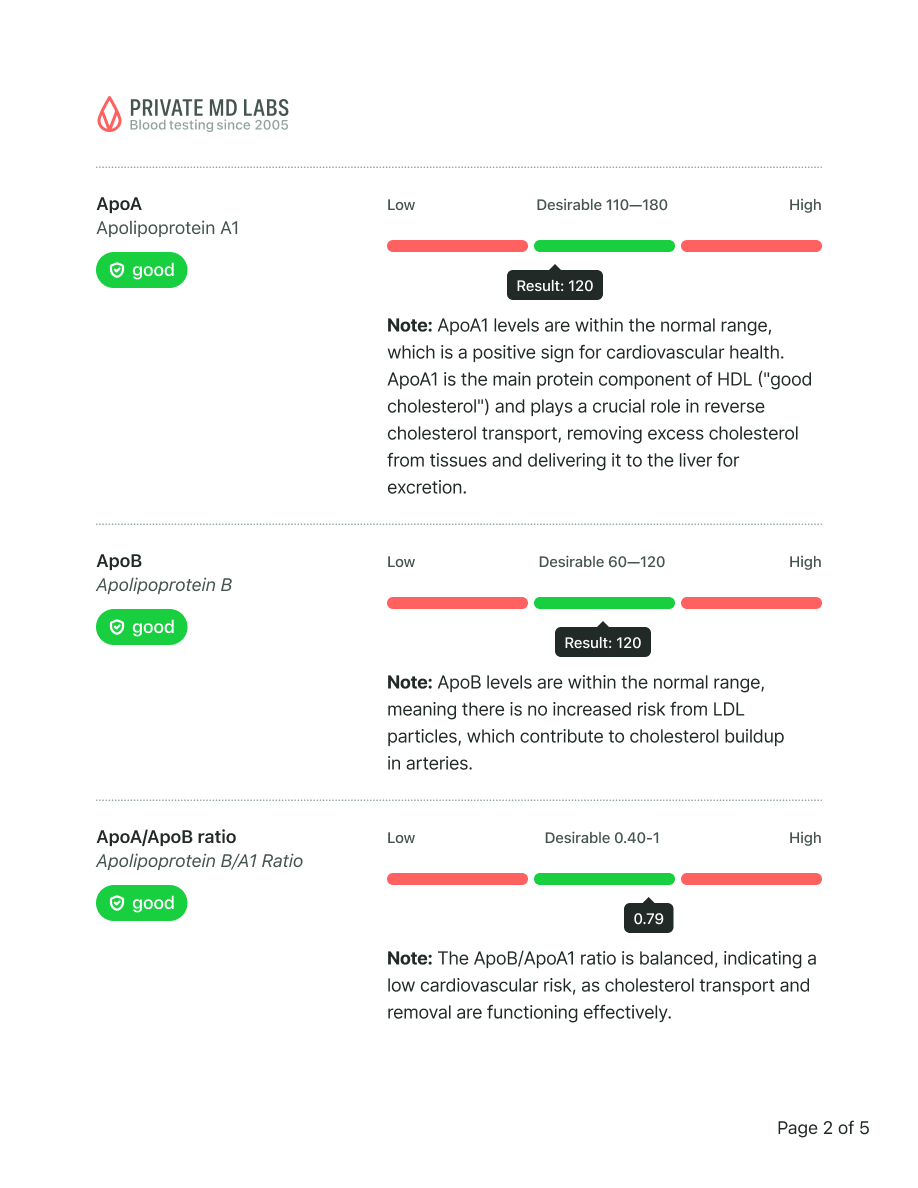
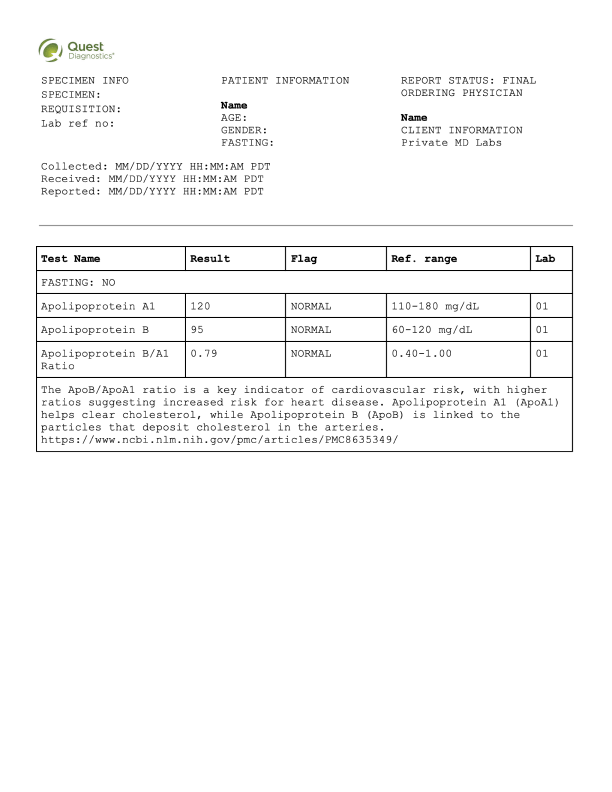
Sample results
Estradiol excess is a hormonal imbalance where levels of estradiol, the primary female sex hormone, become abnormally elevated beyond normal ranges. It is caused by conditions such as ovarian tumors, adrenal disorders, hormone replacement therapy, or certain medications that increase estradiol production. The Estradiol blood test is the most important test for diagnosis because it directly measures hormone levels in the blood.
Estradiol excess is caused by conditions that lead to overproduction or accumulation of estradiol in the body. Common causes include ovarian tumors that secrete excess hormones, adrenal gland disorders, hormone replacement therapy (especially when doses are too high), certain medications, and obesity (where fat tissue converts other hormones into estradiol). In some cases, liver disease can prevent proper breakdown of estradiol, leading to elevated levels.
The Estradiol blood test is the most important test for estradiol excess because it directly measures the exact amount of estradiol circulating in your bloodstream. This test provides definitive evidence of hormonal imbalance and helps distinguish estradiol excess from other hormonal conditions with similar symptoms. The test is particularly valuable because it can identify elevated levels that explain symptoms like bloating, breast tenderness, and irregular periods, and it helps your doctor assess your risk for conditions associated with prolonged estradiol elevation, including breast and uterine cancer.
You should get tested if you experience persistent bloating, unusual breast tenderness or swelling, heavy or irregular menstrual periods, mood swings, or weight gain that seems hormone-related. Testing is also important if you are on hormone replacement therapy and notice worsening symptoms, have a family history of hormone-sensitive cancers, or experience symptoms that interfere with your daily life. Early testing helps identify the cause of your symptoms and allows for timely intervention.
What this means
Your testosterone levels are slightly below the optimal range. While this is not necessarily cause for concern, it may contribute to occasional fatigue, reduced motivation, or lower muscle mass over time.
Recommended actions
Increase resistance or strength training
Prioritize 7–8 hours of quality sleep per night, try to reduce stress
Include more zinc- and magnesium-rich foods (like shellfish, beef, pumpkin seeds, spinach)
Consider retesting in 3–6 months
Not overhyped or overpriced. Just comprehensive blood testing made simple and for everyone.
Sample results
Your 24/7 Lab Guide
Quick questions: