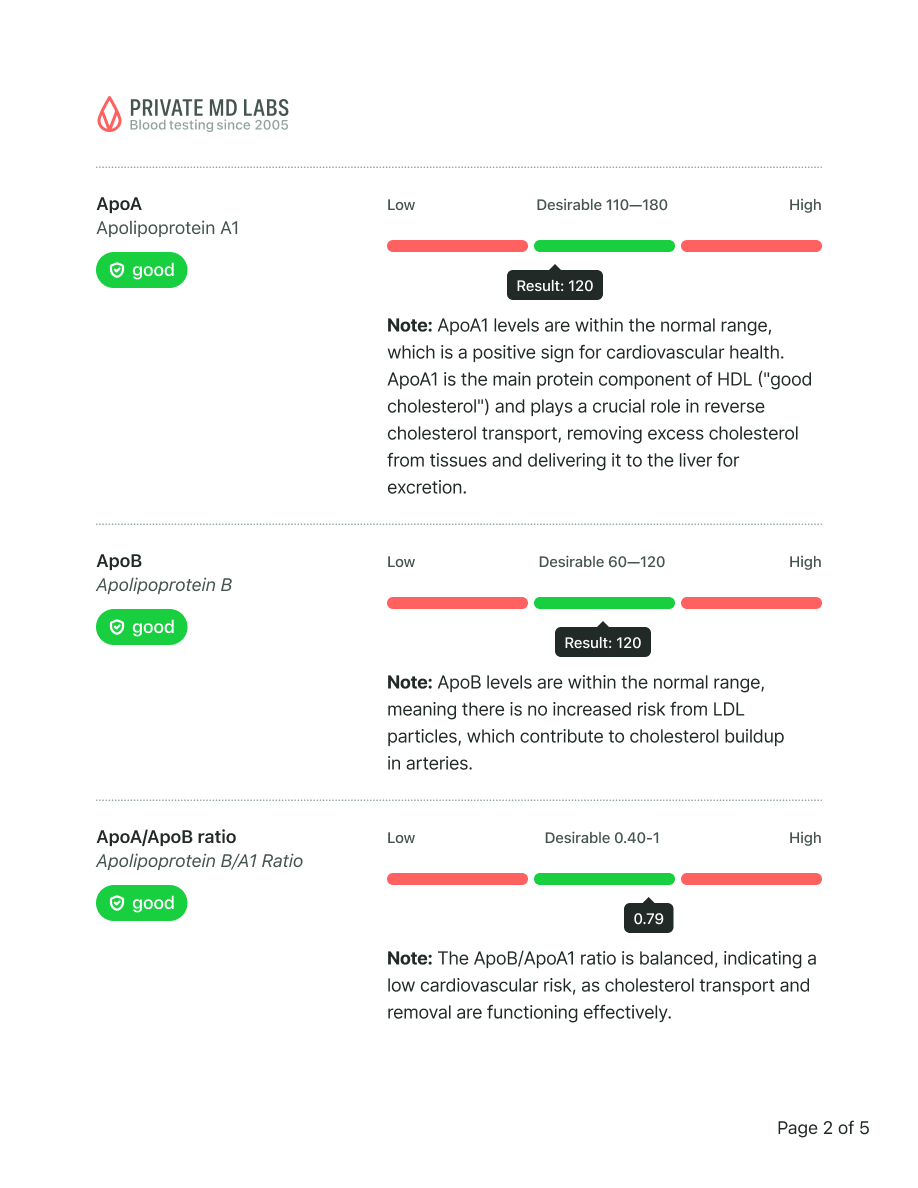
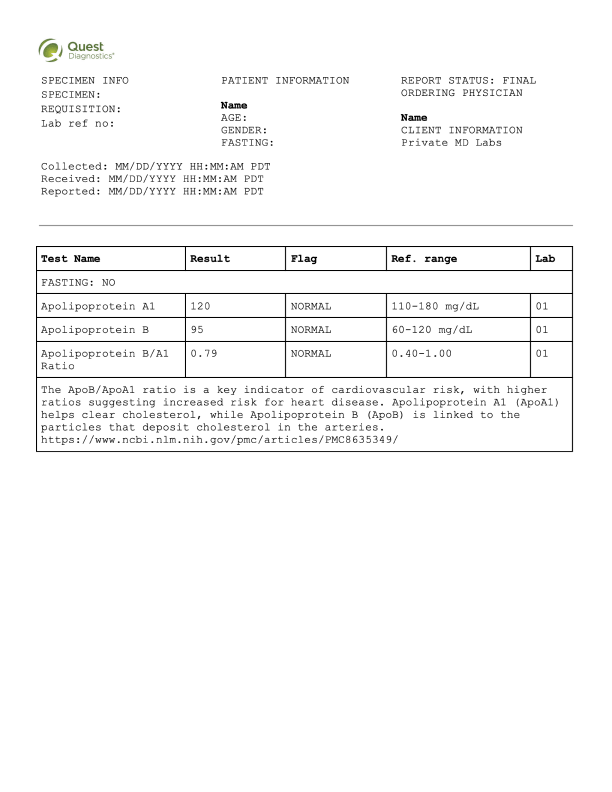
Sample results
Epididymitis is an inflammation of the epididymis, the coiled tube at the back of the testicle that stores and carries sperm. It is caused by bacterial infections such as Chlamydia trachomatis and Neisseria gonorrhoeae, or parasitic infections like Trichomonas vaginalis. The Chlamydia and Gonorrhea Test is the most important test for diagnosis because these two bacteria are the primary causes in sexually active men.
Epididymitis is caused by bacterial infections, primarily Chlamydia trachomatis and Neisseria gonorrhoeae, which are sexually transmitted bacteria that ascend through the urethra and vas deferens to infect the epididymis. In some cases, the parasitic infection Trichomonas vaginalis can also cause inflammation. Less commonly in older men, urinary tract bacteria like E. coli can lead to epididymitis, especially in those with urinary obstruction or recent catheterization.
The Chlamydia and Gonorrhea Test is the most important test for epididymitis because it detects the two primary bacterial causes in sexually active men under 35. This comprehensive screening identifies both Chlamydia trachomatis and Neisseria gonorrhoeae, which together account for the majority of epididymitis cases. For complete evaluation, the Trichomonas vaginalis RNA Test is also essential as it detects the parasitic infection that can cause similar symptoms. These tests use urine samples or urethral swabs to accurately identify the specific organism, ensuring you receive the correct antibiotic or antiparasitic treatment.
You should get tested if you experience scrotal pain or swelling, tenderness at the back of the testicle, painful urination, unusual discharge from the penis, or pain during ejaculation or intercourse. Testing is especially important if you are sexually active and have had unprotected sex or a new sexual partner, as these are significant risk factors for STI-related epididymitis. Early testing and treatment prevents complications like chronic pain, abscess formation, and fertility problems.
What this means
Your testosterone levels are slightly below the optimal range. While this is not necessarily cause for concern, it may contribute to occasional fatigue, reduced motivation, or lower muscle mass over time.
Recommended actions
Increase resistance or strength training
Prioritize 7–8 hours of quality sleep per night, try to reduce stress
Include more zinc- and magnesium-rich foods (like shellfish, beef, pumpkin seeds, spinach)
Consider retesting in 3–6 months
Not overhyped or overpriced. Just comprehensive blood testing made simple and for everyone.
Sample results
Your 24/7 Lab Guide
Quick questions: