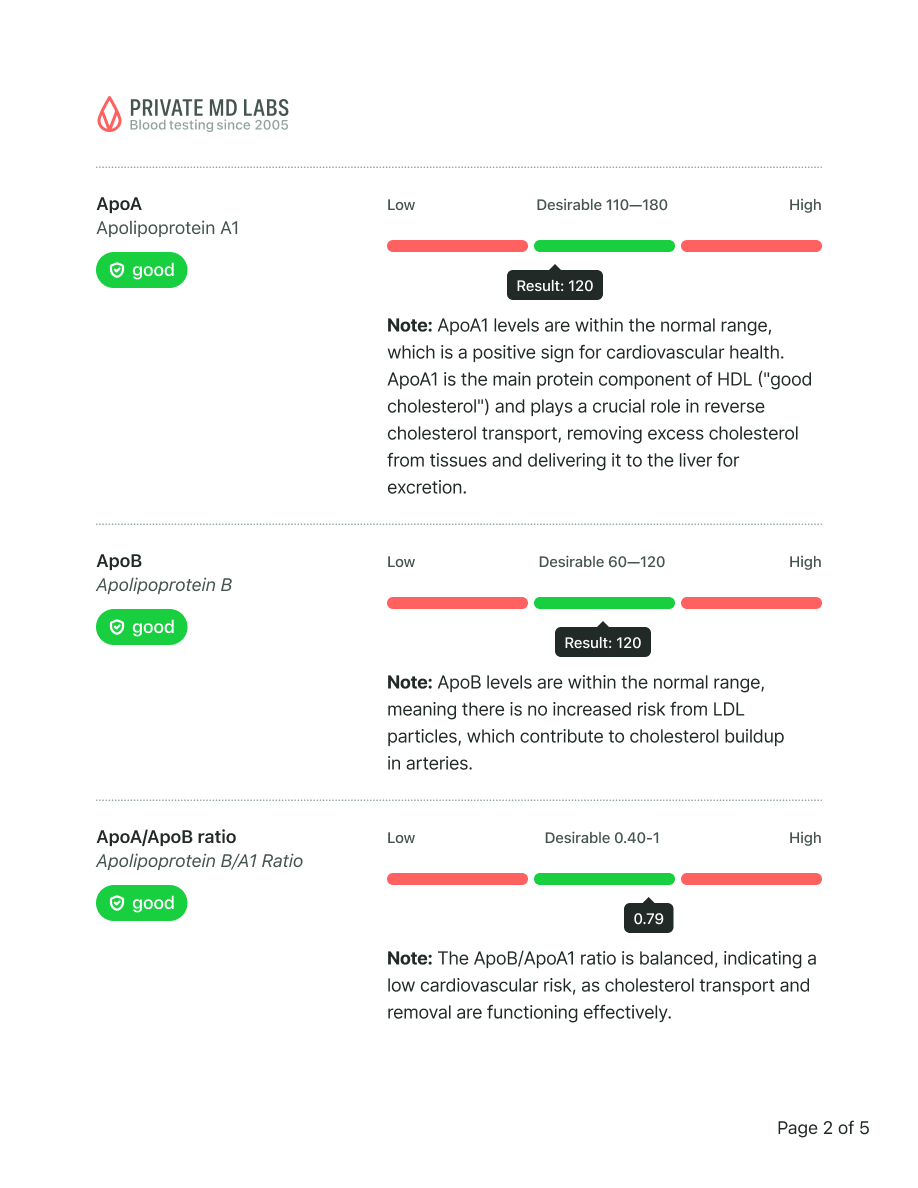
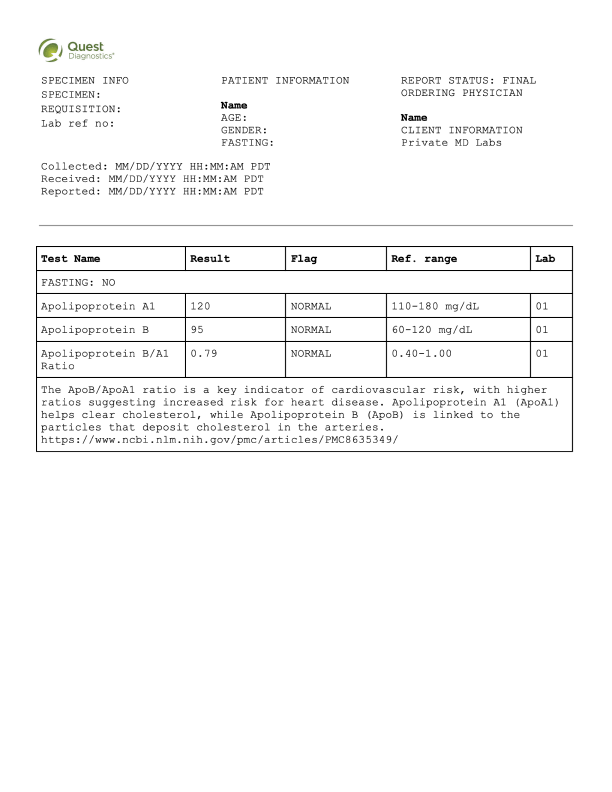
Sample results
Ectopic pregnancy is a serious condition where a fertilized egg implants outside the uterus, most commonly in the fallopian tubes. It is caused by abnormal embryo implantation that prevents proper development and can lead to life-threatening internal bleeding. The Pregnancy test (very early) - Human Chorionic Gonadotropin (hCG), Total, Quantitative is the most important test for diagnosis because it detects abnormally rising hormone levels characteristic of ectopic pregnancy.
Ectopic pregnancy is caused by conditions that prevent or slow the fertilized egg from moving through the fallopian tube into the uterus. Scarring from pelvic inflammatory disease caused by Chlamydia trachomatis or Neisseria gonorrhoeae is a common cause, as these infections damage the delicate tubes. Previous tubal surgery, endometriosis, or abnormal tube shape can also trap the embryo, forcing it to implant in the wrong location where it cannot survive.
The Pregnancy test (very early) - Human Chorionic Gonadotropin (hCG), Total, Quantitative is the most important test for ectopic pregnancy because it measures the exact level of pregnancy hormone in your blood. In a normal pregnancy, hCG doubles approximately every 48-72 hours, but in an ectopic pregnancy, the levels rise much more slowly or plateau. Your doctor will typically order this test twice, 48 hours apart, to track the rate of increase. The Amylase, Serum test may also be recommended if you have severe abdominal pain, as elevated levels can indicate internal inflammation from complications.

You should get tested if you have a positive home pregnancy test along with sharp pelvic or abdominal pain, vaginal bleeding that is lighter or different from your normal period, shoulder pain, or dizziness and fainting. Any pregnant woman experiencing these symptoms needs immediate evaluation, as ectopic pregnancy is a medical emergency. Early testing is critical because rupture of the fallopian tube can cause life-threatening internal bleeding, typically occurring between 6-16 weeks of pregnancy.
What this means
Your testosterone levels are slightly below the optimal range. While this is not necessarily cause for concern, it may contribute to occasional fatigue, reduced motivation, or lower muscle mass over time.
Recommended actions
Increase resistance or strength training
Prioritize 7–8 hours of quality sleep per night, try to reduce stress
Include more zinc- and magnesium-rich foods (like shellfish, beef, pumpkin seeds, spinach)
Consider retesting in 3–6 months
Not overhyped or overpriced. Just comprehensive blood testing made simple and for everyone.
Sample results
Your 24/7 Lab Guide
Quick questions: