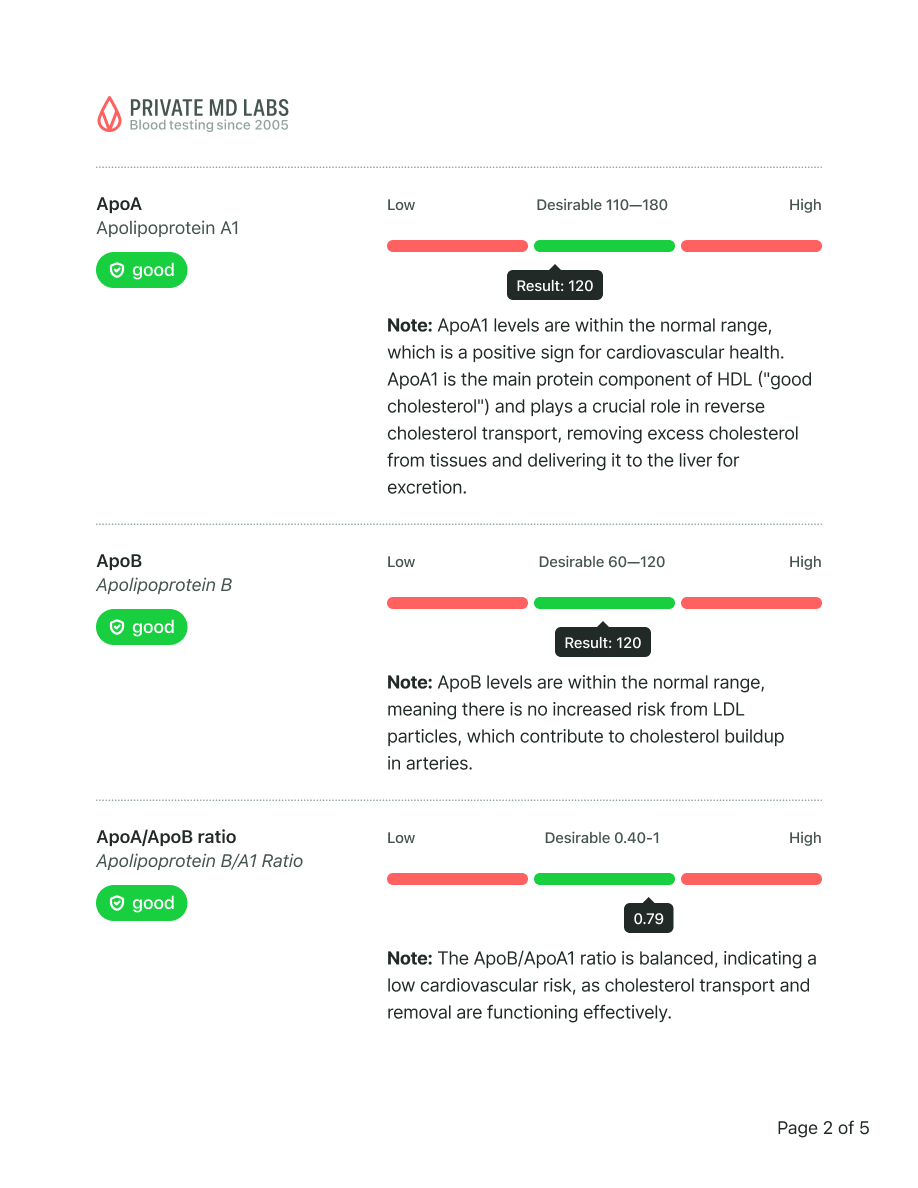
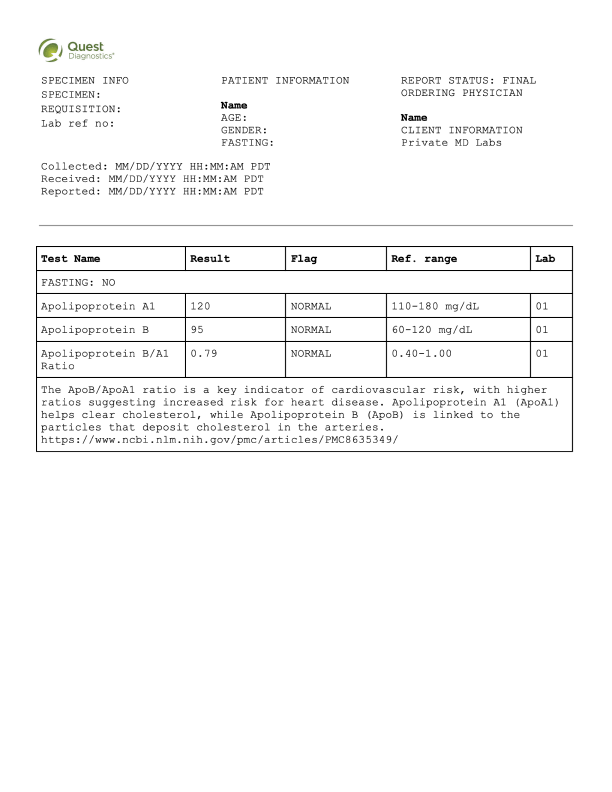
Sample results
Ectopic ACTH syndrome is a rare condition where tumors outside the pituitary gland produce excessive adrenocorticotropic hormone (ACTH). It is caused by non-pituitary tumors, commonly small cell lung cancer, carcinoid tumors, or pancreatic neuroendocrine tumors, that abnormally secrete ACTH. The Adrenocorticotropic Hormone (ACTH) blood test is the most important test for diagnosis because it directly measures elevated ACTH levels that stimulate excess cortisol production.
Ectopic ACTH syndrome is caused by tumors outside the pituitary gland that abnormally produce adrenocorticotropic hormone (ACTH). The most common culprits are small cell lung cancer, carcinoid tumors of the lungs or digestive tract, and pancreatic neuroendocrine tumors. These tumors produce ACTH independently of the body's normal regulatory mechanisms, leading to uncontrolled stimulation of the adrenal glands and excessive cortisol production, which causes symptoms similar to Cushing's syndrome.
The Adrenocorticotropic Hormone (ACTH) blood test is the most important test for ectopic ACTH syndrome because it directly measures the hormone produced by non-pituitary tumors. In this condition, ACTH levels are significantly elevated, often much higher than in pituitary-dependent Cushing's syndrome. Your doctor will typically order this test along with cortisol measurements to confirm that high ACTH is driving excess cortisol production. Additional testing, including high-dose dexamethasone suppression tests and imaging studies, helps locate the tumor source and distinguish ectopic ACTH from other causes of elevated cortisol.
You should get tested if you develop rapid-onset symptoms of excess cortisol, including sudden weight gain in the face and trunk, severe muscle weakness, easy bruising, purple stretch marks, high blood pressure, or diabetes that appears suddenly. Testing is especially important if you have a known history of lung cancer, carcinoid tumors, or other neuroendocrine cancers and develop these symptoms. Anyone experiencing unexplained severe fatigue, mood changes, or unusual physical changes like a rounded face and fat accumulation between the shoulders should seek evaluation promptly, as early diagnosis can guide appropriate cancer treatment and hormone management.

What this means
Your testosterone levels are slightly below the optimal range. While this is not necessarily cause for concern, it may contribute to occasional fatigue, reduced motivation, or lower muscle mass over time.
Recommended actions
Increase resistance or strength training
Prioritize 7–8 hours of quality sleep per night, try to reduce stress
Include more zinc- and magnesium-rich foods (like shellfish, beef, pumpkin seeds, spinach)
Consider retesting in 3–6 months
Not overhyped or overpriced. Just comprehensive blood testing made simple and for everyone.
Sample results
Your 24/7 Lab Guide
Quick questions: