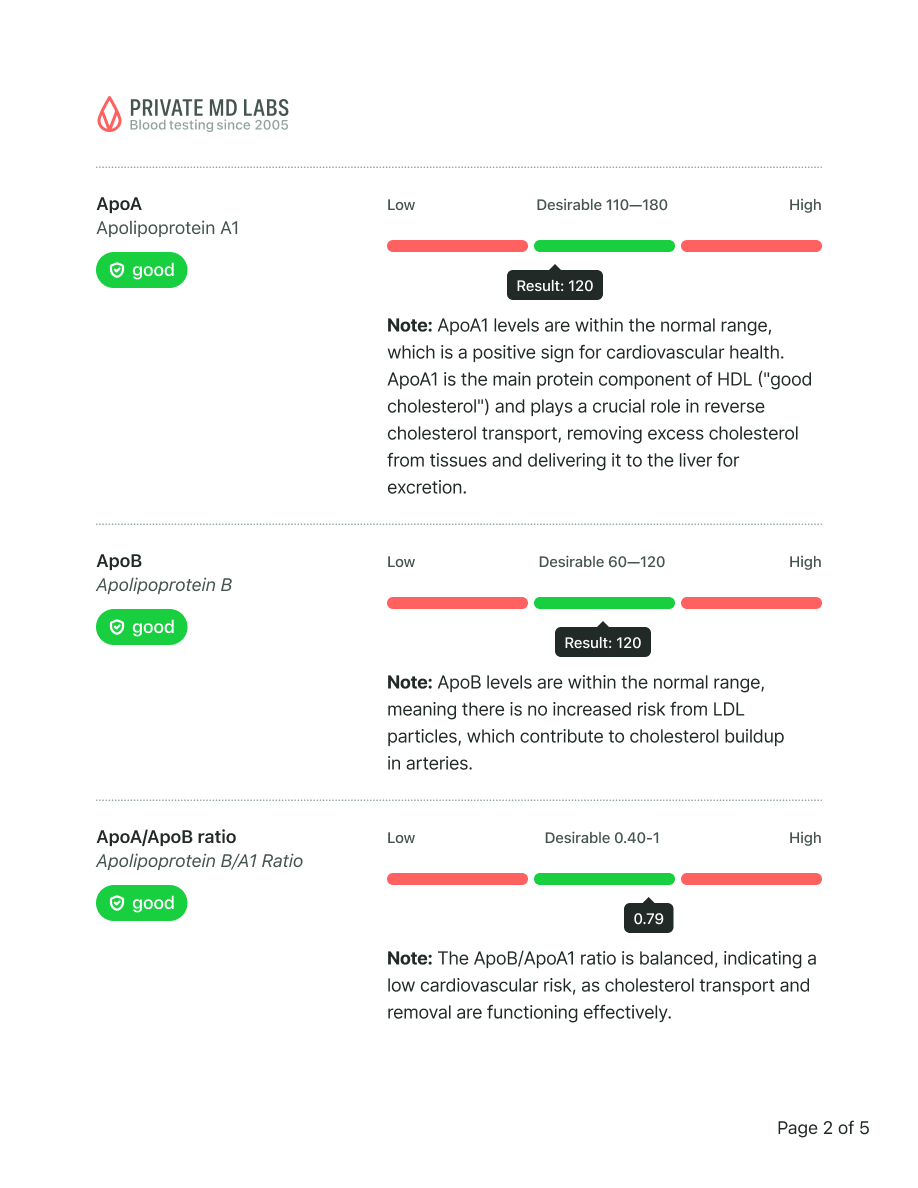
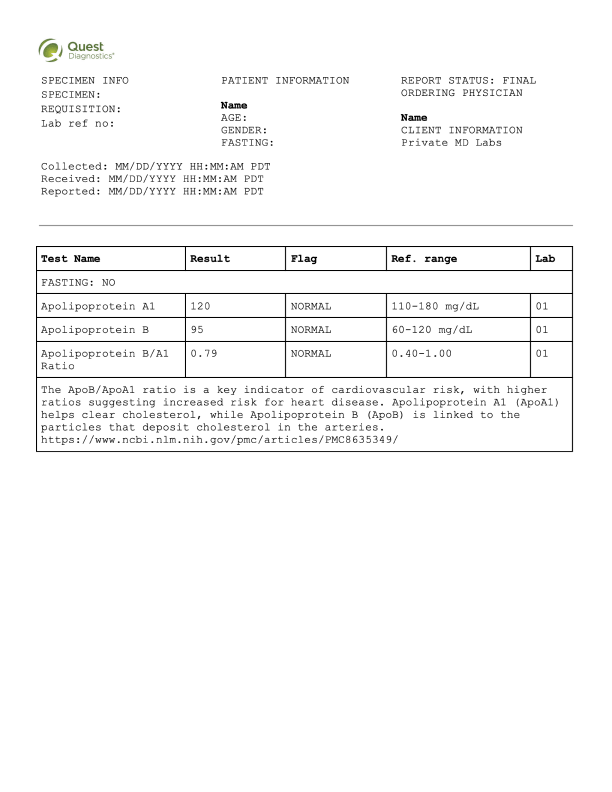
Sample results
Drug-induced pemphigoid is an autoimmune blistering skin condition triggered by certain medications. It is caused by the immune system producing antibodies against BP230 protein in the skin after exposure to specific drugs. The Bullous Pemphigoid BP230 Antibody test is the most important test for diagnosis because it detects these medication-induced autoantibodies in the blood.
Drug-induced pemphigoid is caused by certain medications that trigger your immune system to attack BP230 and BP180 proteins in your skin. Common culprit medications include diuretics like furosemide, antibiotics such as penicillins and cephalosporins, blood pressure medications like ACE inhibitors, and anti-inflammatory drugs including NSAIDs. When you take these medications, your body mistakenly identifies skin proteins as threats and produces antibodies that attack the connection between skin layers, leading to painful blisters and rashes. The autoimmune response typically begins within weeks to months after starting the triggering medication.
The Bullous Pemphigoid BP230 Antibody test is the most important test for drug-induced pemphigoid because it detects the specific autoantibodies your body produces against skin proteins in response to medication. This blood test identifies BP230 antibodies circulating in your bloodstream, confirming that your immune system has developed an autoimmune response rather than a simple allergic reaction. The test helps distinguish drug-induced pemphigoid from other blistering conditions like pemphigus or dermatitis herpetiformis, which have different antibody patterns. A positive result, combined with your medication history and skin symptoms, provides clear evidence that a drug triggered the condition and guides your doctor to discontinue the offending medication.
You should get tested if you develop new blistering, itchy rashes, or fluid-filled bumps after starting a new medication within the past few months. Get tested immediately if you notice tense blisters on your arms, legs, abdomen, or in skin folds that do not break easily, especially if accompanied by red, inflamed skin. You should also consider testing if you are taking diuretics, blood pressure medications, or antibiotics and develop unexplained skin changes. Early testing is crucial because identifying the condition quickly allows you to stop the triggering medication before blistering becomes severe or widespread across your body.

What this means
Your testosterone levels are slightly below the optimal range. While this is not necessarily cause for concern, it may contribute to occasional fatigue, reduced motivation, or lower muscle mass over time.
Recommended actions
Increase resistance or strength training
Prioritize 7–8 hours of quality sleep per night, try to reduce stress
Include more zinc- and magnesium-rich foods (like shellfish, beef, pumpkin seeds, spinach)
Consider retesting in 3–6 months
Not overhyped or overpriced. Just comprehensive blood testing made simple and for everyone.
Sample results
Your 24/7 Lab Guide
Quick questions: