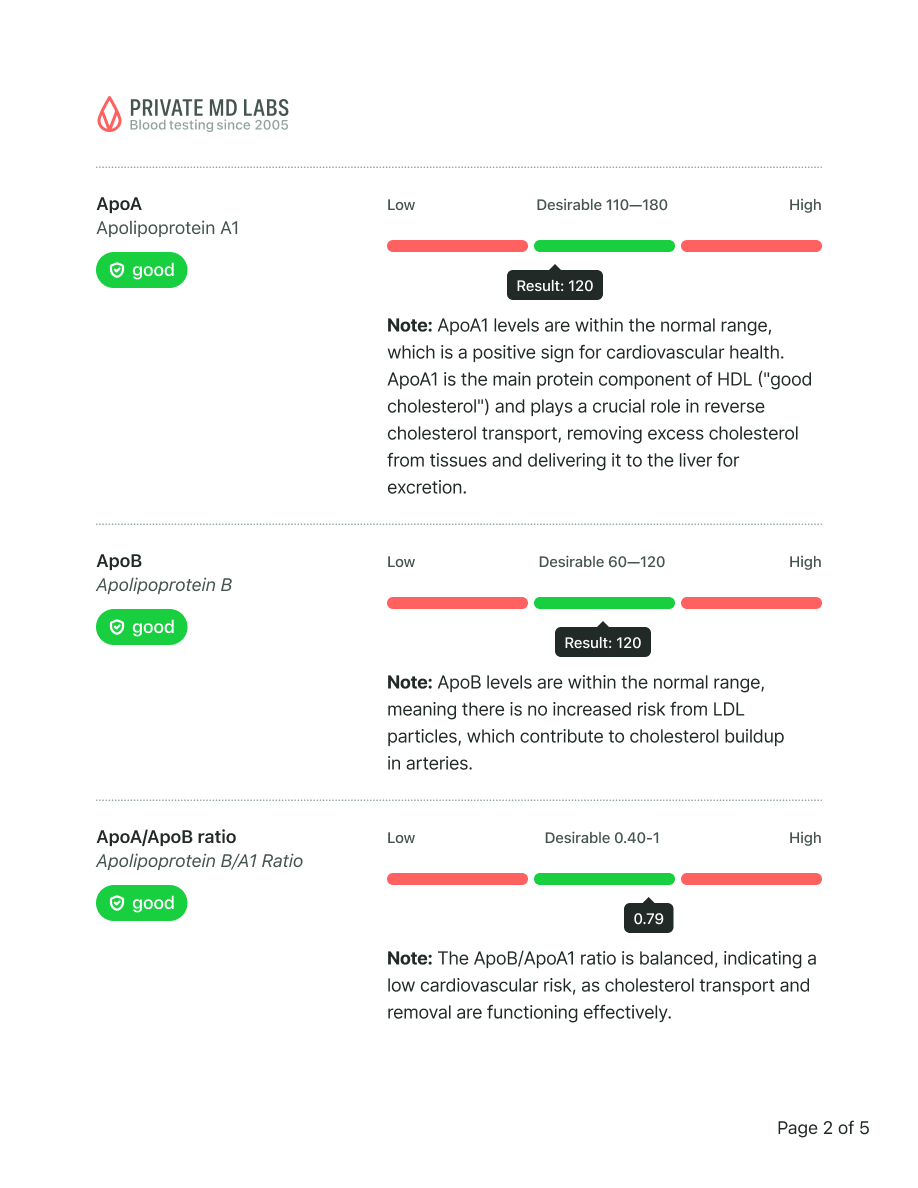
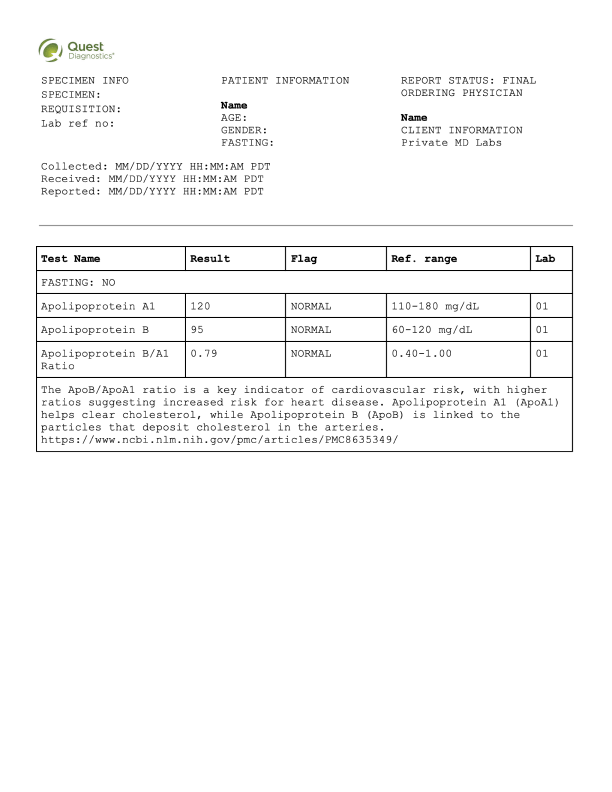
Sample results
Drug-induced lupus erythematosus (DILE) is an autoimmune condition triggered by certain prescription medications that causes lupus-like symptoms. It is caused by medications such as hydralazine, procainamide, isoniazid, and anti-TNF agents that trigger the immune system to produce autoantibodies. The PCNA Antibody IFA test is the most important test for diagnosis because it detects specific autoantibodies associated with drug-induced lupus.
Drug-induced lupus erythematosus is caused by specific prescription medications that trigger an autoimmune response in susceptible individuals. The most common culprits include hydralazine (blood pressure medication), procainamide (heart rhythm medication), isoniazid (tuberculosis treatment), and anti-TNF agents used for rheumatoid arthritis and inflammatory bowel disease. These medications cause your immune system to produce autoantibodies that attack your own tissues, creating symptoms similar to systemic lupus. The condition typically develops months to years after starting the triggering medication and usually resolves within weeks to months after stopping the drug.
The PCNA Antibody IFA test is the most important test for drug-induced lupus erythematosus because it detects Proliferating Cell Nuclear Antigen antibodies that some patients develop as part of their immune response to triggering medications. This immunofluorescence assay helps confirm the diagnosis when symptoms align with a lupus-like syndrome caused by prescription drugs. Your doctor may also order an ANA (antinuclear antibody) test and anti-histone antibody test, as anti-histone antibodies are frequently positive in drug-induced lupus while anti-double stranded DNA antibodies (common in systemic lupus) are typically negative, helping distinguish drug-induced lupus from other autoimmune conditions.
You should get tested if you develop lupus-like symptoms while taking medications known to trigger this condition, particularly hydralazine, procainamide, isoniazid, or anti-TNF agents. Warning signs include joint pain and swelling, fever without infection, muscle aches, chest pain that worsens with deep breathing, unexplained fatigue, or skin rashes. Testing is especially important if you have been on one of these medications for several months or years and suddenly develop these symptoms. Early diagnosis allows your doctor to discontinue the triggering medication and prevent symptom progression.

What this means
Your testosterone levels are slightly below the optimal range. While this is not necessarily cause for concern, it may contribute to occasional fatigue, reduced motivation, or lower muscle mass over time.
Recommended actions
Increase resistance or strength training
Prioritize 7–8 hours of quality sleep per night, try to reduce stress
Include more zinc- and magnesium-rich foods (like shellfish, beef, pumpkin seeds, spinach)
Consider retesting in 3–6 months
Not overhyped or overpriced. Just comprehensive blood testing made simple and for everyone.
Sample results
Your 24/7 Lab Guide
Quick questions: