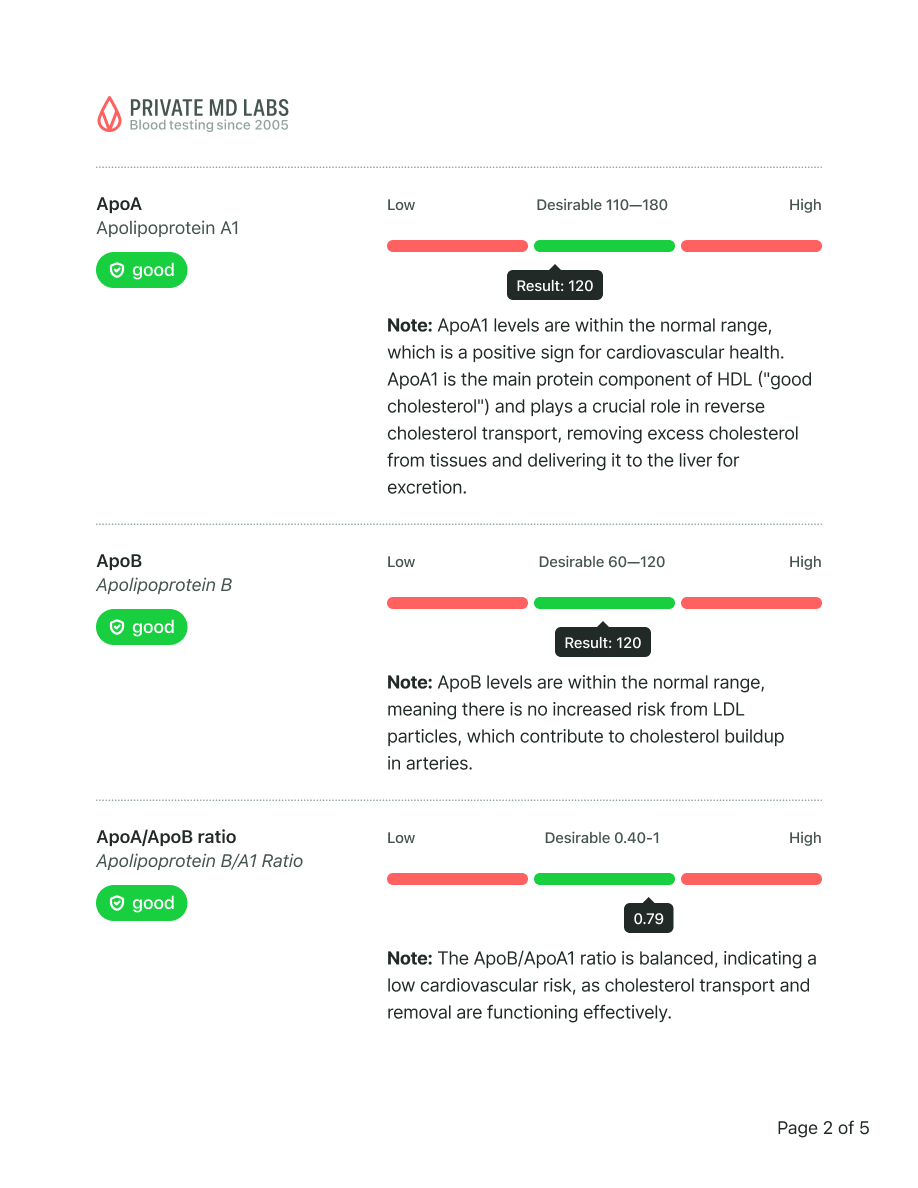
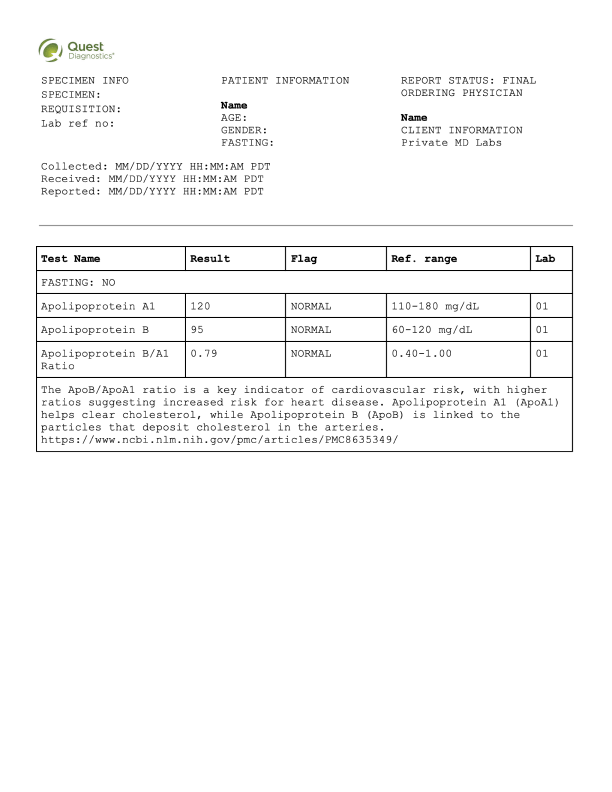
Sample results
Drug-induced lupus is an autoimmune condition triggered by certain prescription medications that causes the immune system to attack the body's own tissues. It is caused by drugs such as hydralazine, procainamide, isoniazid, and anti-TNF medications that stimulate autoantibody production. The ANA Screen IFA with Reflex to Titer and Pattern is the most important test for diagnosis because it detects the characteristic autoantibodies that attack cell nuclei.
Drug-induced lupus is caused by certain prescription medications that trigger the immune system to produce autoantibodies against your own tissues. The most common culprits include hydralazine (for high blood pressure), procainamide (for heart rhythm problems), isoniazid (for tuberculosis), and anti-TNF medications (for autoimmune conditions like rheumatoid arthritis). The condition typically develops after months or years of taking the triggering medication, as the drug gradually alters immune system function and causes it to mistakenly attack healthy cells throughout the body.
The ANA Screen IFA with Reflex to Titer and Pattern is the most important test for drug-induced lupus because it detects antinuclear antibodies that attack the body's own cell nuclei. This test not only confirms whether autoantibodies are present but also provides crucial information about antibody concentration (titer) and staining pattern, which helps doctors differentiate drug-induced lupus from systemic lupus erythematosus and other autoimmune conditions. A positive ANA result combined with a history of taking known lupus-inducing medications strongly indicates drug-induced lupus rather than other forms of the disease.
You should get tested if you are taking medications like hydralazine, procainamide, isoniazid, or anti-TNF drugs and develop new symptoms such as joint pain, muscle aches, fatigue, fever, or skin rashes. Testing is especially important if you notice chest pain when breathing deeply (pleurisy) or unexplained weight loss while on these medications. Since drug-induced lupus typically develops after prolonged medication use, getting tested early when symptoms first appear can help you and your doctor determine whether your medication needs to be changed before the condition worsens.
What this means
Your testosterone levels are slightly below the optimal range. While this is not necessarily cause for concern, it may contribute to occasional fatigue, reduced motivation, or lower muscle mass over time.
Recommended actions
Increase resistance or strength training
Prioritize 7–8 hours of quality sleep per night, try to reduce stress
Include more zinc- and magnesium-rich foods (like shellfish, beef, pumpkin seeds, spinach)
Consider retesting in 3–6 months
Not overhyped or overpriced. Just comprehensive blood testing made simple and for everyone.
Sample results
Your 24/7 Lab Guide
Quick questions: