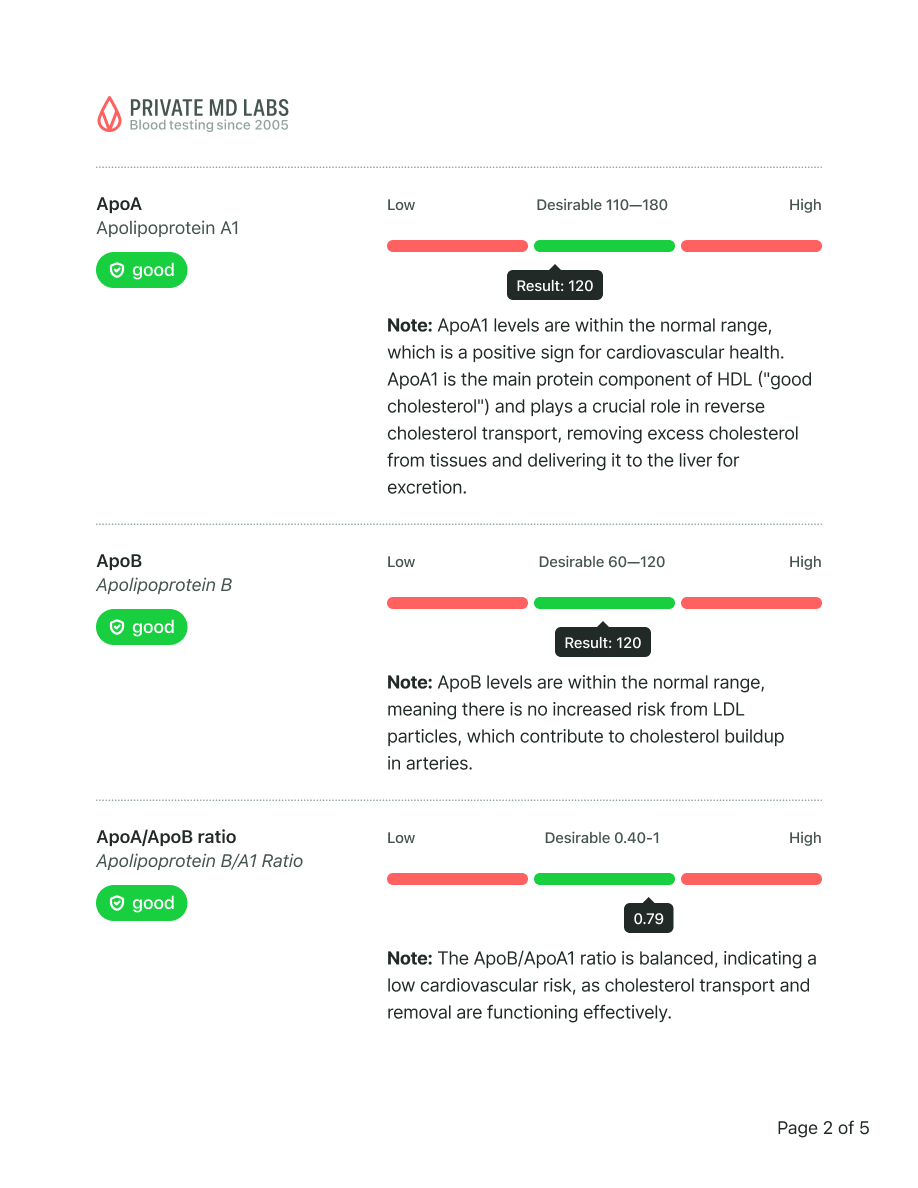
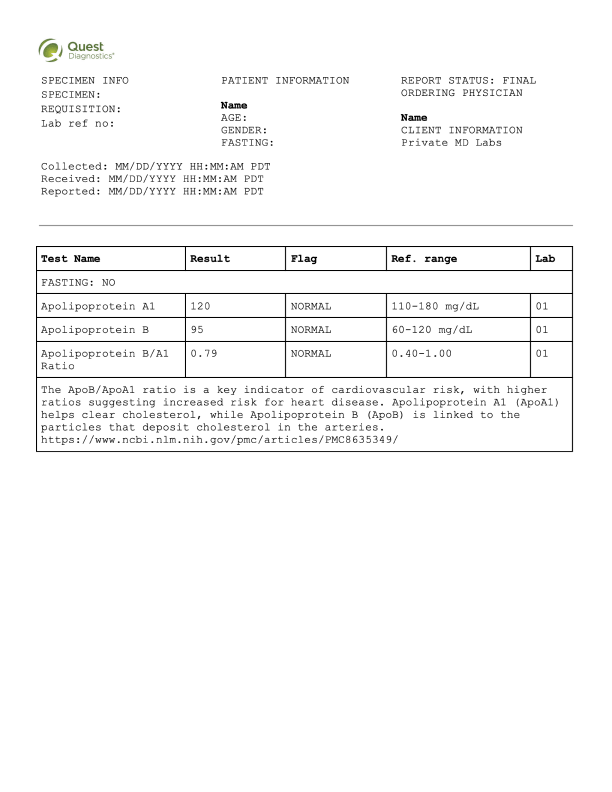
Sample results
Disseminated gonococcal infection is a rare but serious complication that occurs when Neisseria gonorrhoeae bacteria spread from their initial infection site into the bloodstream, affecting joints, skin, and other organs. It is caused by untreated or inadequately treated gonorrhea allowing the bacteria to enter the bloodstream and disseminate throughout the body. The Chlamydia and Gonorrhea Test is the most important test for diagnosis because it detects the presence of gonorrhea bacteria that cause this systemic infection.
Disseminated gonococcal infection is caused by Neisseria gonorrhoeae bacteria spreading from the initial site of gonorrhea infection into the bloodstream. This typically occurs when gonorrhea remains untreated or is inadequately treated, allowing the bacteria to escape the original infection site in the genitals, throat, or rectum. Once in the bloodstream, the bacteria can travel throughout the body and settle in joints, skin, heart valves, or even the brain, causing serious complications. Certain immune system deficiencies and complement pathway disorders can increase the risk of this bacterial dissemination.
The Chlamydia and Gonorrhea Test is the most important test for disseminated gonococcal infection because it detects the presence of Neisseria gonorrhoeae bacteria that cause this serious systemic condition. This test can identify gonorrhea at the original infection site before it spreads, enabling early treatment that prevents dissemination. When disseminated gonococcal infection is suspected, blood cultures and joint fluid cultures are also essential to detect bacteria that have already spread into the bloodstream and joints. Early detection through comprehensive gonorrhea testing is critical because once the bacteria enter the bloodstream, the infection requires immediate intravenous antibiotic treatment to prevent life-threatening complications.
You should get tested if you have symptoms of gonorrhea such as unusual genital discharge, painful urination, or sore throat along with new joint pain, swelling, or skin rashes. Anyone with known gonorrhea exposure who develops fever, chills, or painful, swollen joints should seek immediate testing and medical attention. You should also get tested if you have a history of untreated gonorrhea and suddenly develop arthritis symptoms, scattered small skin lesions, or unexplained fever. Early testing is crucial because disseminated gonococcal infection can progress rapidly and cause permanent joint damage or serious complications like heart valve infection if left untreated.

What this means
Your testosterone levels are slightly below the optimal range. While this is not necessarily cause for concern, it may contribute to occasional fatigue, reduced motivation, or lower muscle mass over time.
Recommended actions
Increase resistance or strength training
Prioritize 7–8 hours of quality sleep per night, try to reduce stress
Include more zinc- and magnesium-rich foods (like shellfish, beef, pumpkin seeds, spinach)
Consider retesting in 3–6 months
Not overhyped or overpriced. Just comprehensive blood testing made simple and for everyone.
Sample results
Your 24/7 Lab Guide
Quick questions: