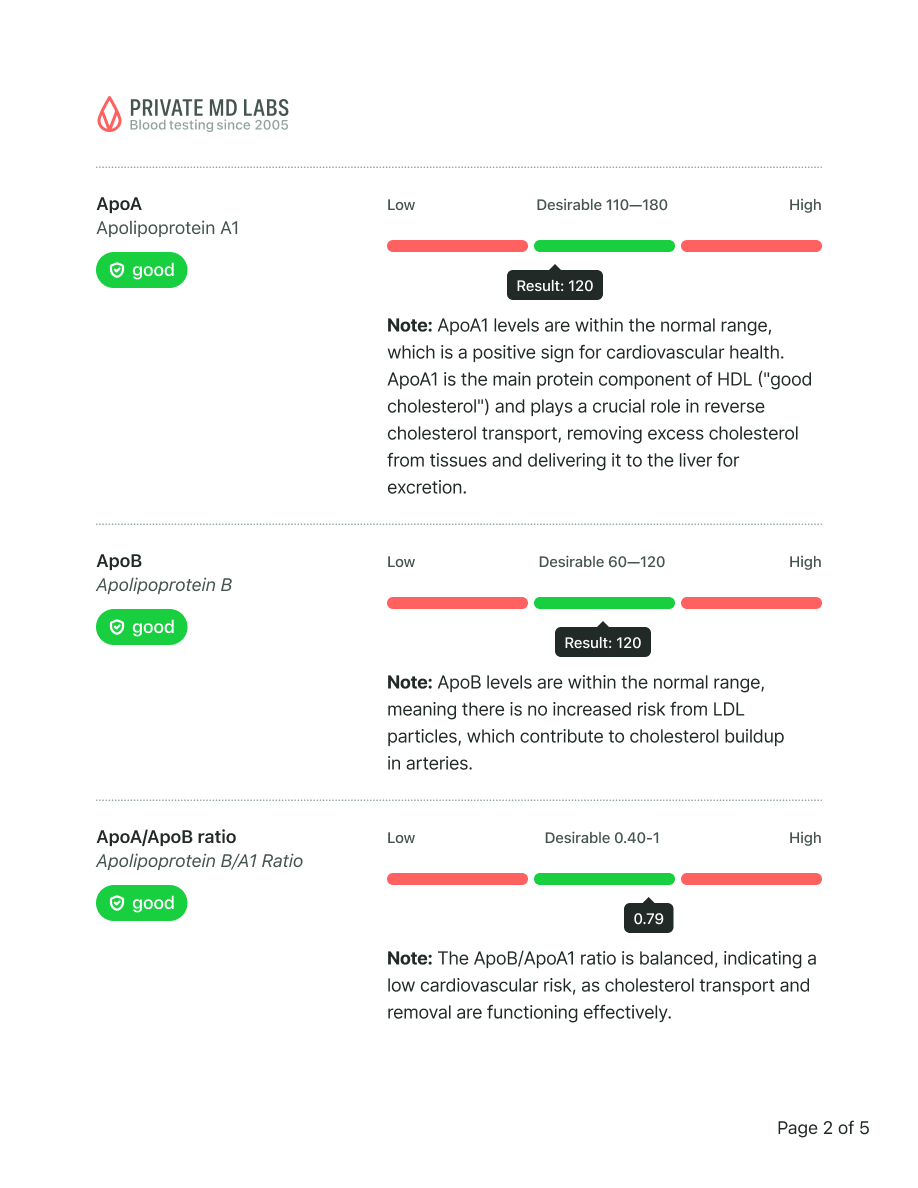
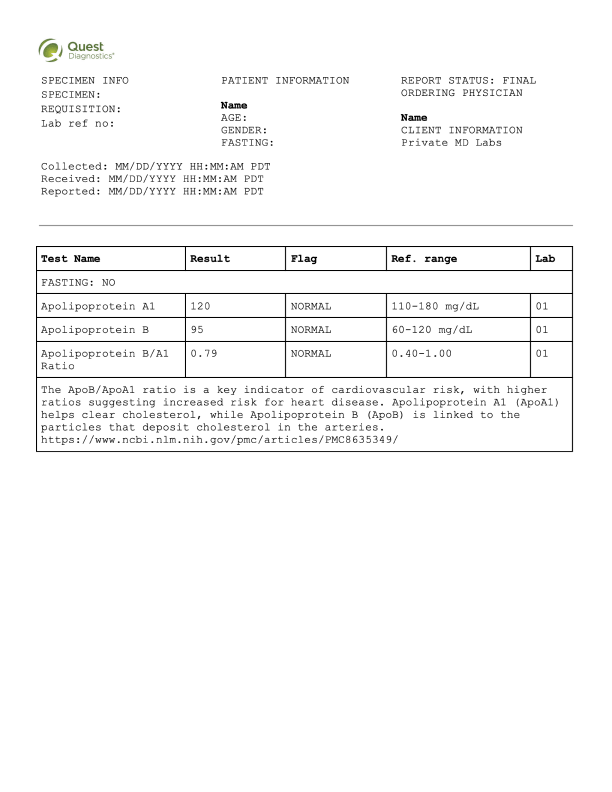
Sample results
Diphtheria is a serious bacterial infection that primarily affects the mucous membranes of the throat and nose, potentially causing life-threatening complications. It is caused by Corynebacterium diphtheriae bacteria that produce a powerful toxin damaging tissues and organs. The Diphtheria and Tetanus Antitoxoid test is the most important test for assessing immunity and determining if vaccination or booster shots are needed for protection.
Diphtheria is caused by Corynebacterium diphtheriae, a bacteria that infects the mucous membranes of the throat and nose. Once the bacteria colonize these areas, they produce a powerful toxin that damages tissue and can spread through the bloodstream to the heart, kidneys, and nervous system. The infection spreads from person to person through respiratory droplets from coughing or sneezing, or through direct contact with contaminated objects or skin lesions.
The Diphtheria and Tetanus Antitoxoid test is the most important test for assessing diphtheria immunity because it measures the levels of protective antibodies in your blood. Low antitoxoid levels indicate insufficient immunity to Corynebacterium diphtheriae, meaning you have higher susceptibility to infection and need vaccination or booster shots. This blood test is essential for determining whether your current immunity is adequate or if additional vaccination is recommended to maintain protection against this potentially life-threatening bacterial infection.
You should get tested if you are unsure about your vaccination status or have not received a diphtheria booster in over 10 years. Healthcare workers, travelers to countries where diphtheria is still common, and anyone who may have been exposed to the infection should also consider testing. Additionally, pregnant women and people with weakened immune systems should verify their immunity levels to ensure adequate protection for themselves and those around them.
What this means
Your testosterone levels are slightly below the optimal range. While this is not necessarily cause for concern, it may contribute to occasional fatigue, reduced motivation, or lower muscle mass over time.
Recommended actions
Increase resistance or strength training
Prioritize 7–8 hours of quality sleep per night, try to reduce stress
Include more zinc- and magnesium-rich foods (like shellfish, beef, pumpkin seeds, spinach)
Consider retesting in 3–6 months
Not overhyped or overpriced. Just comprehensive blood testing made simple and for everyone.
Sample results
Your 24/7 Lab Guide
Quick questions: