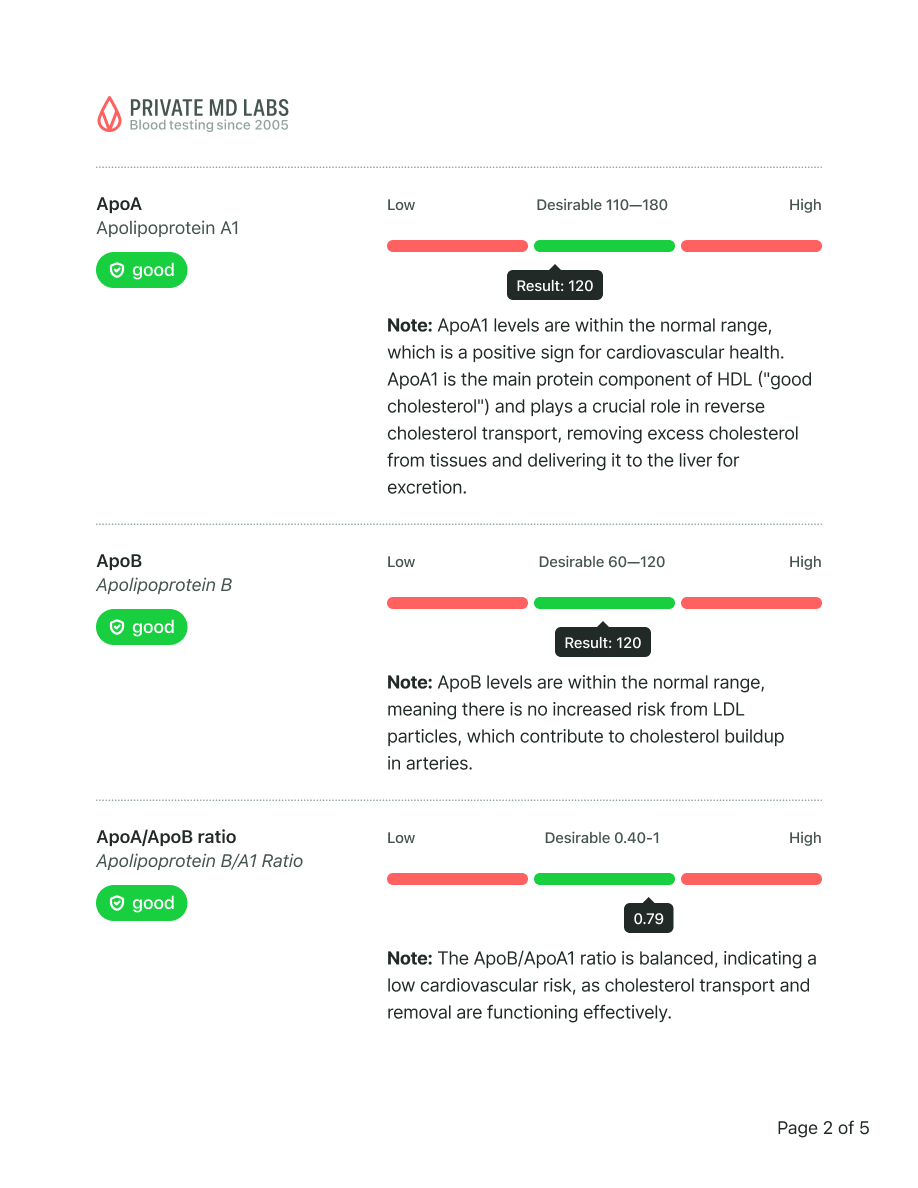
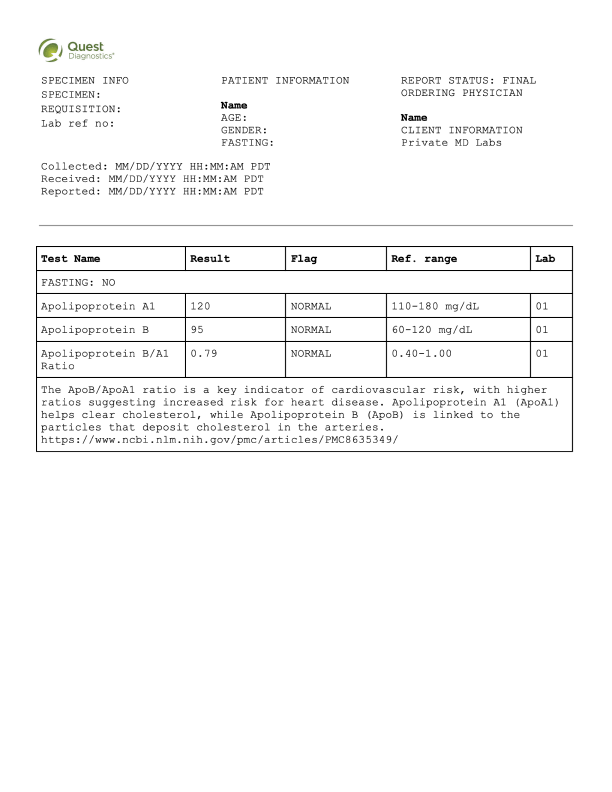
Sample results
Dialysis Encephalopathy Syndrome is a rare but serious neurological disorder affecting the brain in patients undergoing long-term dialysis treatment. It is caused by aluminum toxicity that accumulates in brain tissue, typically from contaminated dialysis water or aluminum-containing phosphate binders. The Aluminum Blood Test is the most important test for diagnosis because it directly measures toxic aluminum levels in the bloodstream.
Dialysis Encephalopathy Syndrome is caused by aluminum toxicity that builds up in the brain and nervous system tissue of patients receiving long-term dialysis treatment. Aluminum enters the bloodstream through contaminated dialysis water, aluminum-containing phosphate binders used to control phosphorus levels, or dialysis equipment that contains aluminum compounds. Over months to years, this aluminum accumulates in brain tissue and interferes with normal neurological function, leading to progressive cognitive decline, speech problems, seizures, and other serious neurological symptoms.
The Aluminum Blood Test is the most important test for Dialysis Encephalopathy Syndrome because it directly measures the amount of aluminum circulating in your bloodstream. This test is essential for diagnosing aluminum toxicity in dialysis patients, as elevated aluminum levels confirm the underlying cause of neurological symptoms like memory problems, speech difficulties, and seizures. Normal aluminum levels in blood are extremely low (typically less than 10 micrograms per liter), so any significant elevation in dialysis patients indicates dangerous aluminum exposure and the need for immediate intervention to prevent further brain damage.
You should get tested if you are on long-term dialysis and experience any neurological symptoms such as difficulty speaking, memory loss, confusion, personality changes, muscle twitching, or seizures. Testing is especially important if your symptoms are progressively worsening or if you have been using aluminum-containing phosphate binders. Dialysis patients should also consider baseline aluminum testing and periodic monitoring if they have been on dialysis for more than one year, even without symptoms, to catch aluminum accumulation early before serious brain damage occurs.
What this means
Your testosterone levels are slightly below the optimal range. While this is not necessarily cause for concern, it may contribute to occasional fatigue, reduced motivation, or lower muscle mass over time.
Recommended actions
Increase resistance or strength training
Prioritize 7–8 hours of quality sleep per night, try to reduce stress
Include more zinc- and magnesium-rich foods (like shellfish, beef, pumpkin seeds, spinach)
Consider retesting in 3–6 months
Not overhyped or overpriced. Just comprehensive blood testing made simple and for everyone.
Sample results
Your 24/7 Lab Guide
Quick questions: