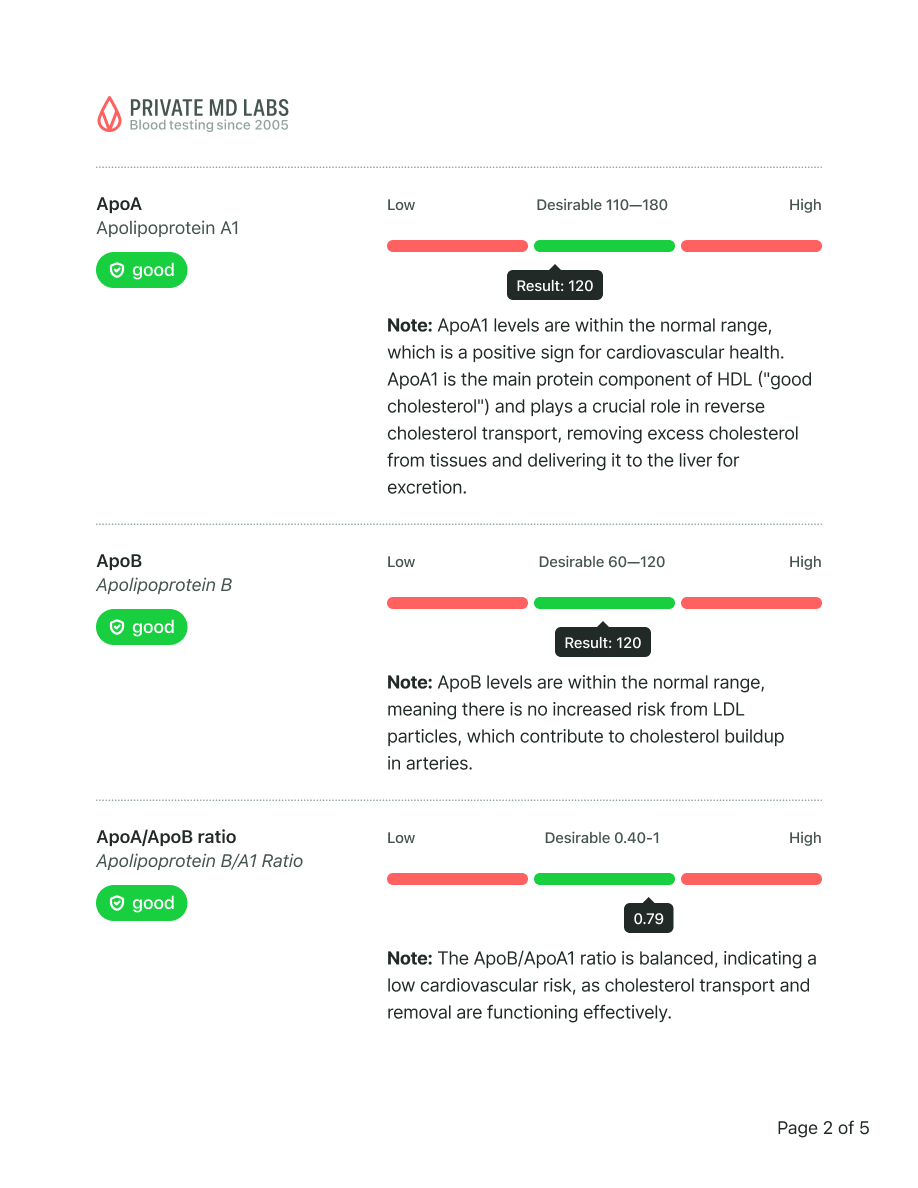
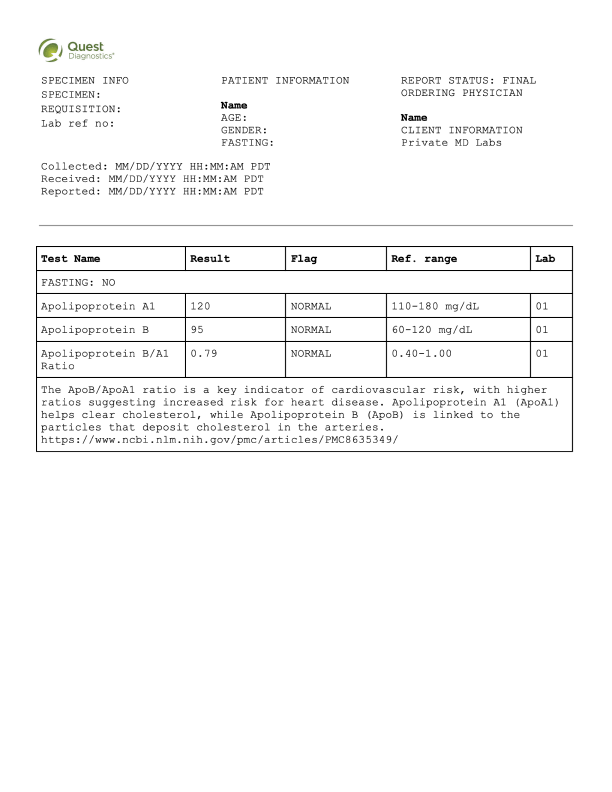
Sample results
Dermatitis is inflammation of the skin that causes redness, itching, swelling, and sometimes blistering or scaling. It is caused by allergen exposure, nutrient deficiencies like biotin, or immune system reactions to environmental triggers. The Biotin (Vitamin B7) test is the most important test for dermatitis because it identifies nutritional deficiencies that directly contribute to skin inflammation.
Dermatitis is caused by a combination of genetic predisposition, environmental triggers, and immune system responses. Common triggers include allergens like nickel, fragrances, latex, and plant pollen that provoke inflammatory reactions when they contact your skin. Nutritional deficiencies, particularly biotin (Vitamin B7) deficiency, can also cause dermatitis by weakening skin barrier function and making your skin more vulnerable to inflammation and irritation.
The Biotin (Vitamin B7) test is the most important test for dermatitis because it identifies nutritional deficiencies that directly contribute to skin inflammation and barrier dysfunction. Low biotin levels can cause various skin problems including dermatitis, making this test essential for finding treatable underlying causes. For suspected allergic dermatitis, allergen-specific IgG tests like the Allergen Specific IgG Goose Feathers test or comprehensive panels like the Respiratory Allergy Profile can identify specific environmental triggers causing your skin reactions. These tests detect elevated antibody levels to allergens such as pollen, feathers, and grasses that provoke contact dermatitis.
You should get tested if you experience persistent red, itchy, or inflamed skin that does not improve with over-the-counter treatments. Testing is especially important if you notice your skin flares up after exposure to specific materials like bedding, outdoor activities, or certain environments, which suggests allergic triggers. You should also consider testing if you have recurring skin rashes, scaling, or blistering that interferes with your daily life, or if you suspect nutritional deficiencies might be contributing to your skin problems.
What this means
Your testosterone levels are slightly below the optimal range. While this is not necessarily cause for concern, it may contribute to occasional fatigue, reduced motivation, or lower muscle mass over time.
Recommended actions
Increase resistance or strength training
Prioritize 7–8 hours of quality sleep per night, try to reduce stress
Include more zinc- and magnesium-rich foods (like shellfish, beef, pumpkin seeds, spinach)
Consider retesting in 3–6 months
Not overhyped or overpriced. Just comprehensive blood testing made simple and for everyone.
Sample results
Your 24/7 Lab Guide
Quick questions: