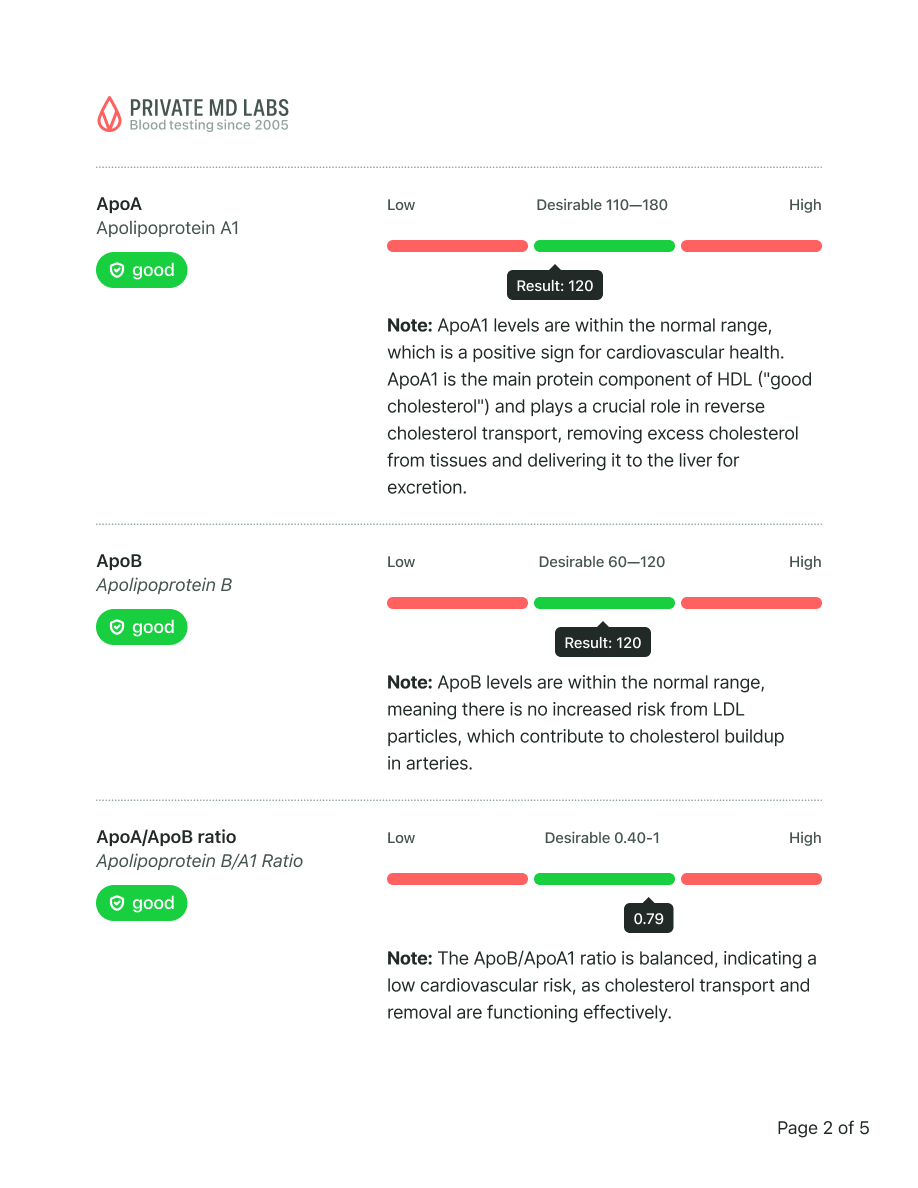
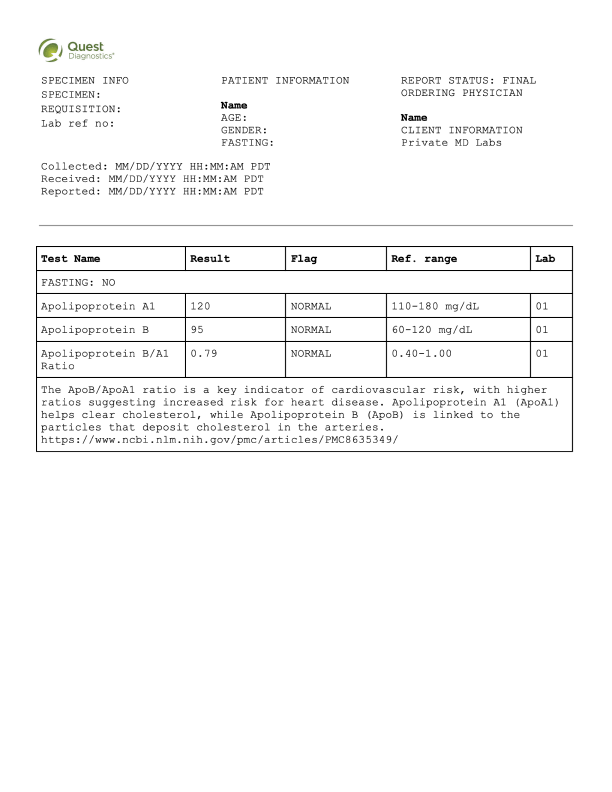
Sample results
Delayed puberty in boys is when physical signs of sexual maturation do not appear by age 14. It is caused by low testosterone production, growth hormone deficiency, or constitutional delay where the body's internal clock runs slower than average. The Insulin-Like Growth Factor I (IGF-I) test is the most important test for diagnosis because it measures growth hormone activity and identifies whether pubertal development is progressing normally.
Delayed puberty in boys is caused by low testosterone production from the testes, growth hormone deficiency, or constitutional delay where the body naturally matures later than peers. Chronic illnesses like inflammatory bowel disease, kidney disease, or diabetes can interrupt hormone production. Genetic conditions such as Kallmann syndrome or Klinefelter syndrome affect the pituitary gland's ability to signal puberty. In most cases, constitutional delay is the cause, meaning the boy is healthy but his internal biological clock runs on a slower schedule than average.
The Insulin-Like Growth Factor I (IGF-I, LC/MS) test is the most important test for delayed puberty in boys because it measures growth hormone activity and reveals whether the body is producing adequate hormones for development. IGF-1 levels naturally surge during puberty to support the growth spurt and sexual maturation, so low IGF-1 levels or negative Z scores indicate delayed or insufficient pubertal development. This test helps healthcare providers distinguish between constitutional delay, which requires patience, and growth hormone deficiency, which needs treatment. Additional hormone tests like testosterone, LH, and FSH may be ordered to complete the evaluation.

You should get tested if your son has reached age 14 without any signs of puberty such as testicular enlargement, pubic hair growth, or voice deepening. Testing is recommended if he is significantly shorter than peers, has stopped growing, or shows no growth spurt by age 15. Boys with a family history of late puberty, chronic medical conditions, or concerns about development should be evaluated earlier. Early testing helps identify treatable conditions like growth hormone deficiency before the window for intervention closes.
What this means
Your testosterone levels are slightly below the optimal range. While this is not necessarily cause for concern, it may contribute to occasional fatigue, reduced motivation, or lower muscle mass over time.
Recommended actions
Increase resistance or strength training
Prioritize 7–8 hours of quality sleep per night, try to reduce stress
Include more zinc- and magnesium-rich foods (like shellfish, beef, pumpkin seeds, spinach)
Consider retesting in 3–6 months
Not overhyped or overpriced. Just comprehensive blood testing made simple and for everyone.
Sample results
Your 24/7 Lab Guide
Quick questions: