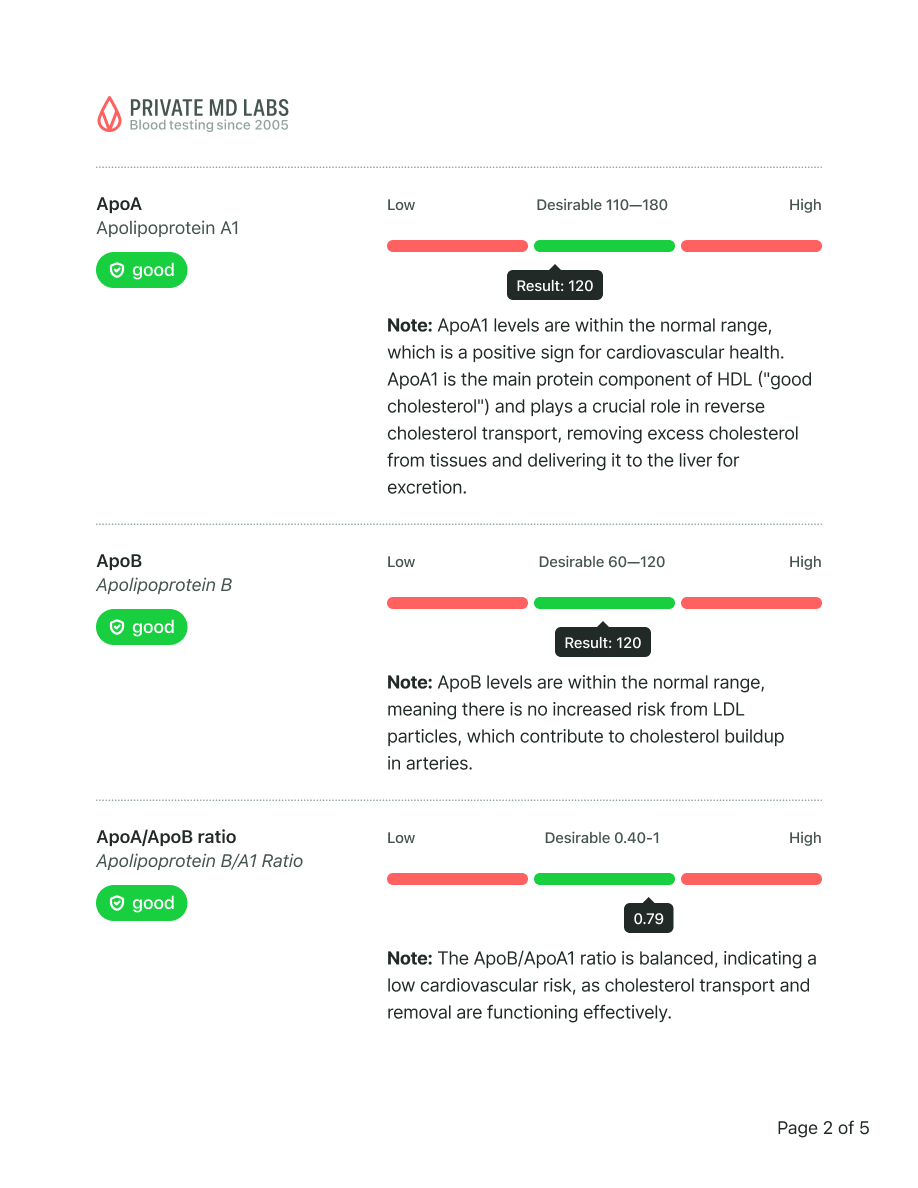
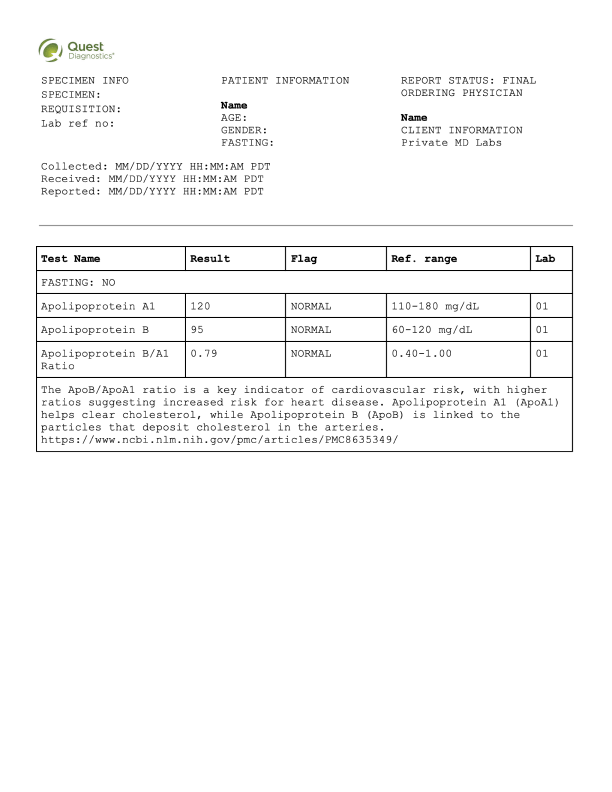
Sample results
Delayed allergic reactions are immune responses that occur several hours after exposure to an allergen, rather than immediately. They are caused by IgE antibodies to specific allergens, most notably Alpha-Gal, a sugar molecule found in red meat that triggers reactions 3-6 hours after consumption. The Alpha-Gal Panel is the most important test for diagnosing this unique type of delayed allergic response.
Delayed allergic reactions are caused by IgE antibodies responding to specific allergens, with Alpha-Gal being the most well-documented trigger. Alpha-Gal is a carbohydrate molecule found in mammalian meat like beef, pork, and lamb. When you consume these meats, your immune system produces IgE antibodies that trigger an allergic response 3-6 hours later, making the connection between food and symptoms difficult to recognize. This delayed response is different from typical food allergies that cause immediate reactions within minutes.
The Alpha-Gal Panel is the most important test for delayed allergic reactions because it detects IgE antibodies to Alpha-Gal, the sugar molecule responsible for delayed red meat allergies. This test specifically measures your immune system's response to mammalian meat products and can confirm whether your delayed symptoms are caused by Alpha-Gal Syndrome. High levels of Alpha-Gal IgE antibodies in the blood provide definitive evidence of this unique delayed allergic response, helping you identify the trigger and avoid future reactions through dietary changes.
You should get tested if you experience hives, itching, swelling, or digestive problems several hours after eating red meat like beef, pork, or lamb. Testing is especially important if you have unexplained allergic symptoms that occur at night or 3-6 hours after meals, making it hard to identify the trigger. If you have a history of tick bites, particularly from lone star ticks, and develop new food sensitivities, you should consider testing for Alpha-Gal Syndrome, as tick bites are known to cause this condition.
What this means
Your testosterone levels are slightly below the optimal range. While this is not necessarily cause for concern, it may contribute to occasional fatigue, reduced motivation, or lower muscle mass over time.
Recommended actions
Increase resistance or strength training
Prioritize 7–8 hours of quality sleep per night, try to reduce stress
Include more zinc- and magnesium-rich foods (like shellfish, beef, pumpkin seeds, spinach)
Consider retesting in 3–6 months
Not overhyped or overpriced. Just comprehensive blood testing made simple and for everyone.
Sample results
Your 24/7 Lab Guide
Quick questions: