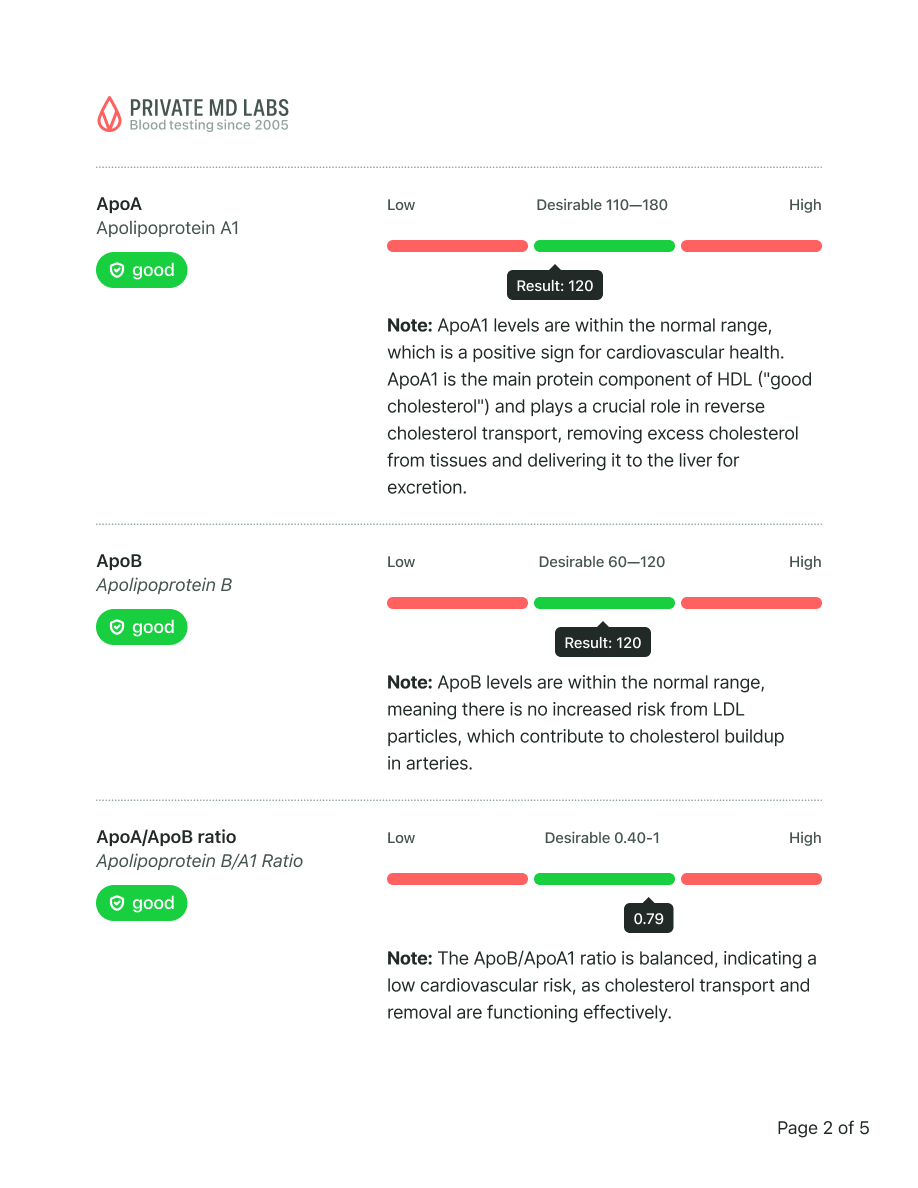
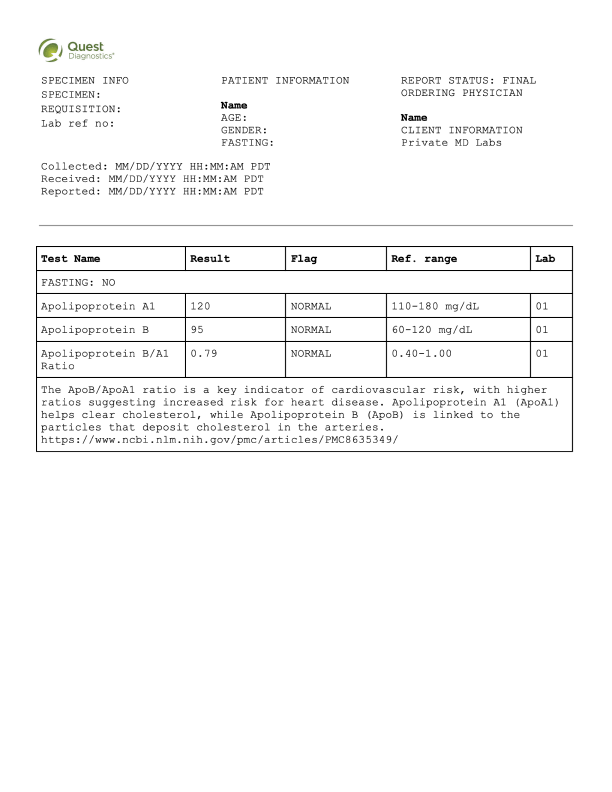
Sample results
Cushing Syndrome is a hormonal disorder that occurs when your body is exposed to high levels of cortisol for an extended period. It is caused by excessive cortisol production, often from pituitary tumors, adrenal gland tumors, or long-term corticosteroid medication use. The Glucose, Serum test is the most important test for monitoring metabolic complications because elevated cortisol directly increases blood sugar levels and insulin resistance.
Cushing Syndrome is caused by prolonged exposure to excessive cortisol, the body's primary stress hormone. The most common causes include pituitary tumors that produce too much ACTH (adrenocorticotropic hormone), which signals the adrenal glands to make cortisol, adrenal gland tumors that directly produce cortisol, and long-term use of corticosteroid medications like prednisone for conditions such as asthma or rheumatoid arthritis. Less commonly, tumors in other parts of the body can produce ACTH, leading to ectopic Cushing Syndrome.
The Glucose, Serum test is the most important metabolic screening test for Cushing Syndrome because elevated cortisol directly impacts blood sugar regulation. While specialized cortisol tests like 24-hour urinary free cortisol, late-night salivary cortisol, and low-dose dexamethasone suppression tests are used to confirm the diagnosis of Cushing Syndrome itself, the Glucose, Serum test is essential for detecting one of the most common and serious complications: diabetes or pre-diabetes. Excess cortisol increases glucose production in the liver and decreases insulin sensitivity, leading to persistently high blood sugar levels that require monitoring and treatment.
You should get tested if you notice multiple characteristic symptoms developing together, especially rapid weight gain in your face, neck, and trunk while your arms and legs remain thin, or if you develop purple or pink stretch marks on your abdomen, thighs, or breasts. Other warning signs include unexplained high blood sugar or diabetes, easy bruising, muscle weakness, irregular periods in women, or decreased sex drive in men. People taking long-term corticosteroid medications should be monitored regularly, and anyone with persistent fatigue, mood changes, or difficulty healing from minor cuts and infections should discuss testing with their healthcare provider.

What this means
Your testosterone levels are slightly below the optimal range. While this is not necessarily cause for concern, it may contribute to occasional fatigue, reduced motivation, or lower muscle mass over time.
Recommended actions
Increase resistance or strength training
Prioritize 7–8 hours of quality sleep per night, try to reduce stress
Include more zinc- and magnesium-rich foods (like shellfish, beef, pumpkin seeds, spinach)
Consider retesting in 3–6 months
Not overhyped or overpriced. Just comprehensive blood testing made simple and for everyone.
Sample results
Your 24/7 Lab Guide
Quick questions: