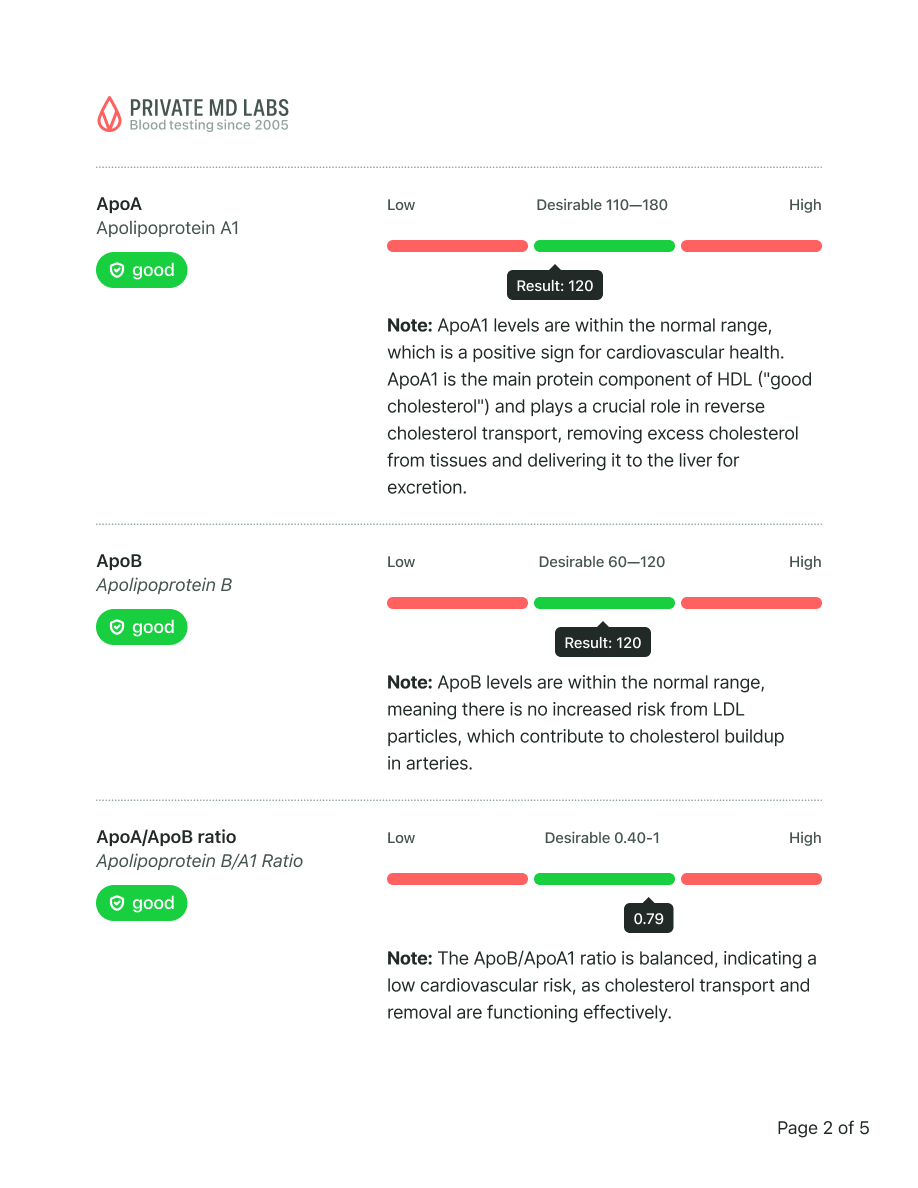
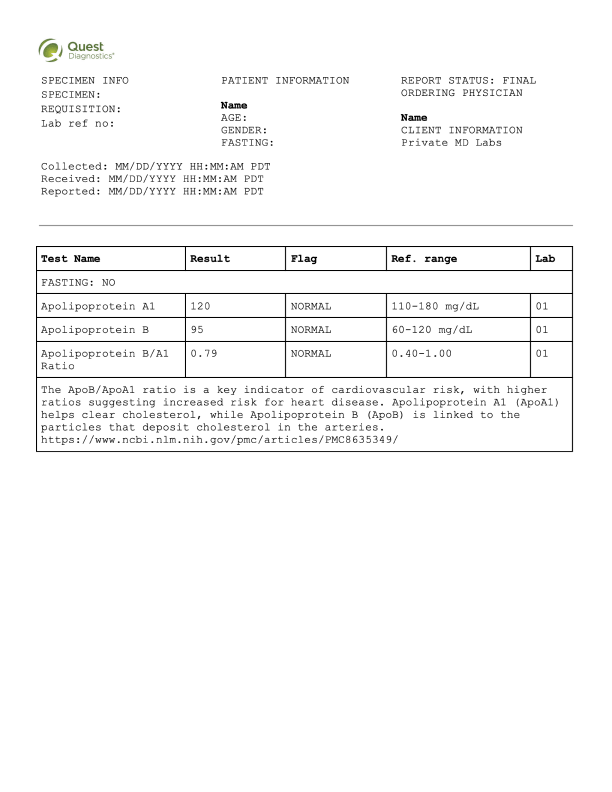
Sample results
Urine sample contamination occurs when foreign substances like skin cells or vaginal secretions mix with the urine specimen during collection. It is caused by improper collection technique or inadequate cleansing before sample collection. The Urinalysis Complete Profile is the most important test for detecting contamination through identification of squamous epithelial cells in the specimen.
Urine sample contamination is caused by skin cells, vaginal secretions, or other external substances entering the specimen during collection. This typically happens when proper cleansing procedures are not followed before collecting the sample, or when the collection cup touches the skin or genital area during urination. Contamination can also occur from collecting the initial urine stream rather than midstream, which naturally flushes away surface contaminants before the sample is captured.
The Urinalysis Complete Profile is the most important test for detecting urine sample contamination because it identifies the presence of squamous epithelial cells in abnormally high numbers. These flat skin cells appear in the microscopic examination portion of the urinalysis and serve as clear indicators that external substances have entered the specimen. When large numbers of squamous epithelial cells are detected, it signals that skin cells or vaginal secretions have contaminated the sample, prompting healthcare providers to request a new specimen using proper collection technique to ensure accurate diagnostic results.
You should get tested whenever your healthcare provider orders a urinalysis for any diagnostic purpose, as contamination detection is a standard part of quality control. If a previous urine test showed contamination, you will need to provide a new sample using proper midstream collection technique. You should also request guidance on collection procedures if you have difficulty obtaining a clean sample, have concerns about previous test accuracy, or are preparing for urinalysis as part of infection screening, kidney function monitoring, or metabolic disorder evaluation.
What this means
Your testosterone levels are slightly below the optimal range. While this is not necessarily cause for concern, it may contribute to occasional fatigue, reduced motivation, or lower muscle mass over time.
Recommended actions
Increase resistance or strength training
Prioritize 7–8 hours of quality sleep per night, try to reduce stress
Include more zinc- and magnesium-rich foods (like shellfish, beef, pumpkin seeds, spinach)
Consider retesting in 3–6 months
Not overhyped or overpriced. Just comprehensive blood testing made simple and for everyone.
Sample results
Your 24/7 Lab Guide
Quick questions: