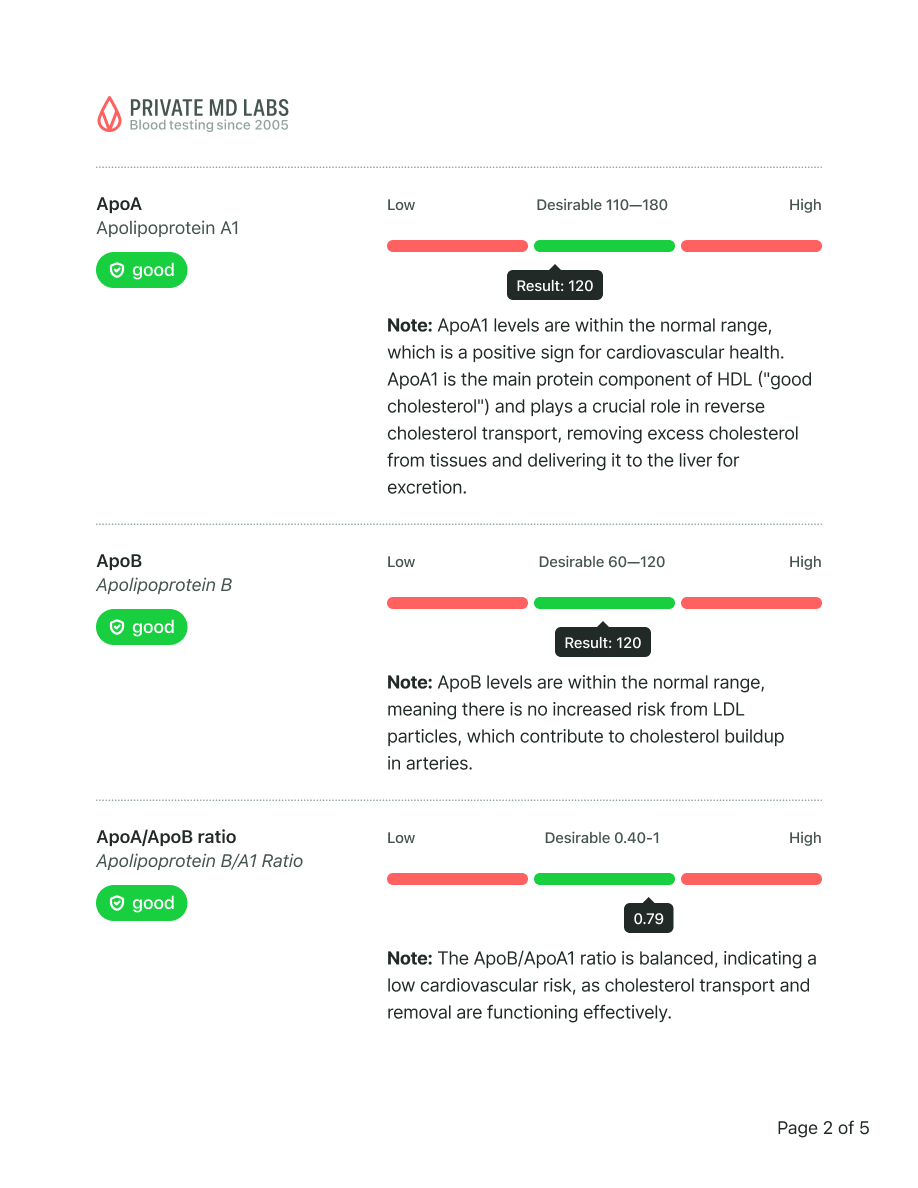
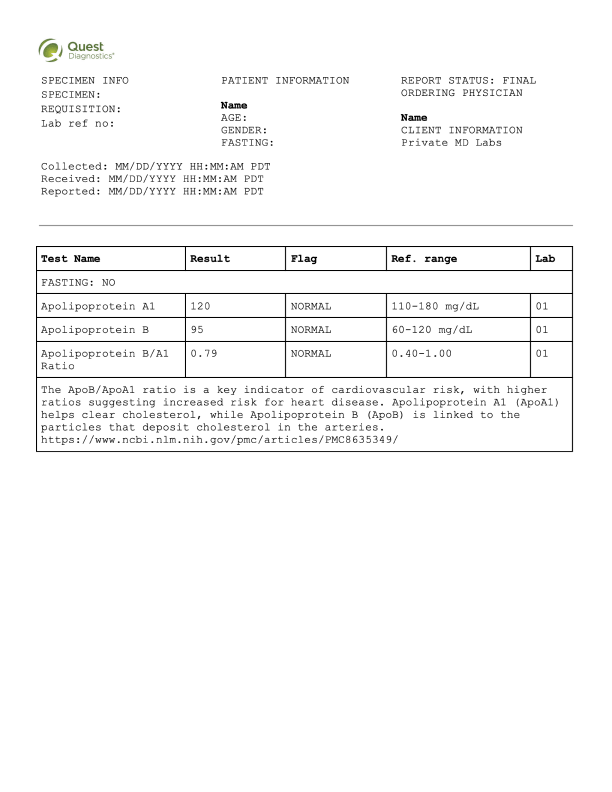
Sample results
Congenital syphilis is a serious infection that occurs when a pregnant woman passes the syphilis bacteria (Treponema pallidum) to her unborn child during pregnancy or delivery. It is caused by untreated or inadequately treated maternal syphilis infection with Treponema pallidum bacteria. The RPR (Diagnosis) with Reflex to Titer and Treponema pallidum Antibody test is the most important test for detecting maternal syphilis and preventing transmission to the baby.
Congenital syphilis is caused by the bacteria Treponema pallidum being transmitted from an infected pregnant woman to her baby during pregnancy or childbirth. When a mother has untreated or inadequately treated syphilis during pregnancy, the bacteria can cross the placenta and infect the developing fetus at any stage of pregnancy. Without proper antibiotic treatment, the risk of transmission to the baby is extremely high, with up to 80% of infected mothers passing the infection to their unborn children.
The RPR (Diagnosis) with Reflex to Titer and Treponema pallidum Antibody test is the most important test for detecting maternal syphilis and preventing congenital syphilis because it combines screening and confirmatory testing in one comprehensive panel. This test first performs the RPR (Rapid Plasma Reagin) screening to detect active infection, then automatically reflexes to titer levels and specific Treponema pallidum antibody testing if positive. The Syphilis Antibody Cascading Reflex is another essential test that provides thorough evaluation of infection status by confirming both current and past exposure to the bacteria, helping doctors determine the best treatment approach to protect the baby.
You should get tested if you are pregnant or planning to become pregnant, as routine syphilis screening is a critical part of prenatal care. Testing is especially important if you have a new sexual partner, multiple partners, or a partner diagnosed with syphilis. Women at higher risk should be tested early in pregnancy, during the third trimester, and at delivery to catch any infections that might have been acquired during pregnancy. Early detection through blood testing allows for timely antibiotic treatment that can prevent transmission to the baby and avoid serious complications.
What this means
Your testosterone levels are slightly below the optimal range. While this is not necessarily cause for concern, it may contribute to occasional fatigue, reduced motivation, or lower muscle mass over time.
Recommended actions
Increase resistance or strength training
Prioritize 7–8 hours of quality sleep per night, try to reduce stress
Include more zinc- and magnesium-rich foods (like shellfish, beef, pumpkin seeds, spinach)
Consider retesting in 3–6 months
Not overhyped or overpriced. Just comprehensive blood testing made simple and for everyone.
Sample results
Your 24/7 Lab Guide
Quick questions: