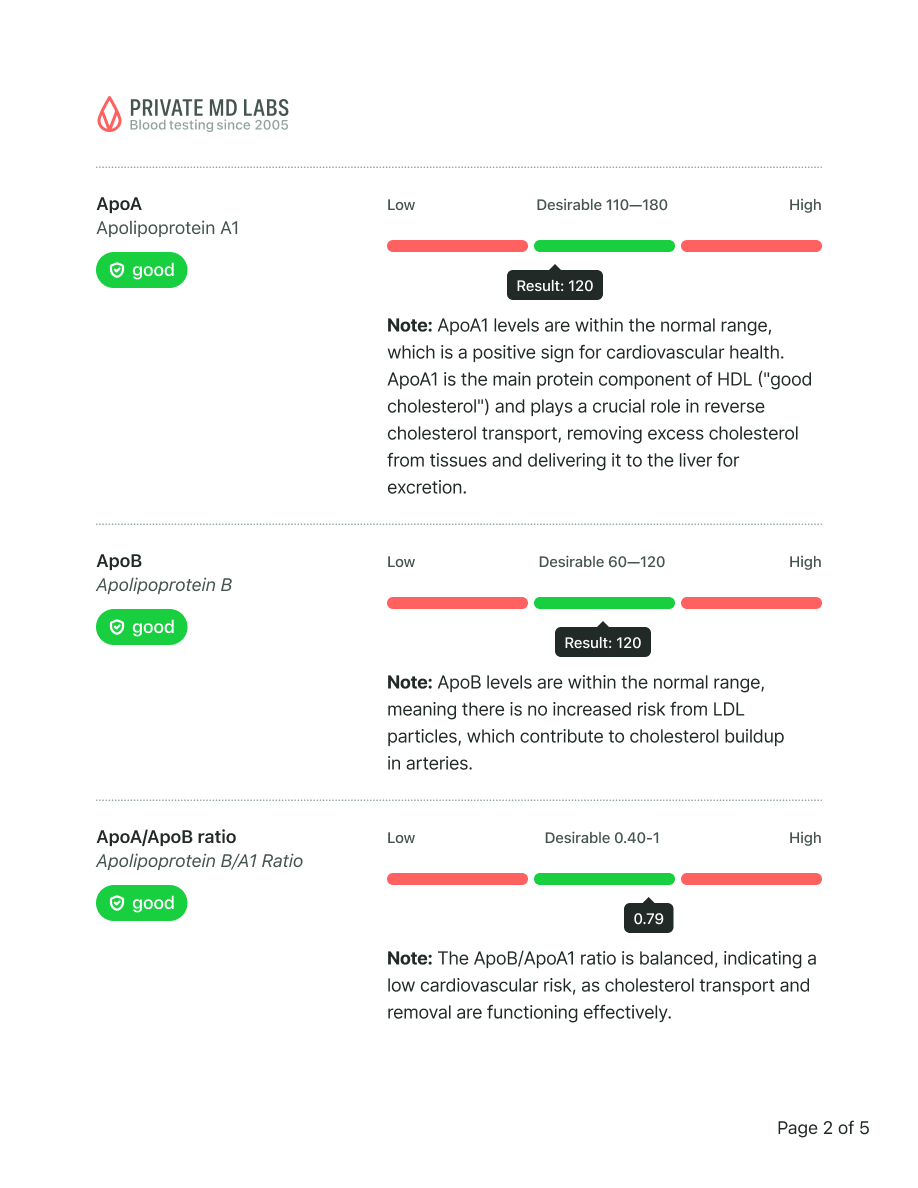
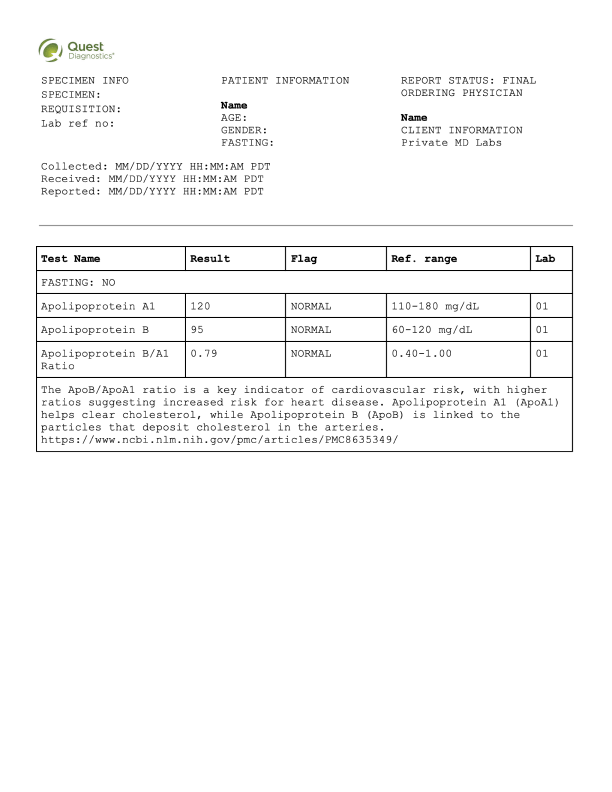
Sample results
Congenital Rubella Syndrome (CRS) is a serious condition that occurs when a pregnant woman contracts rubella virus and passes it to her developing fetus, causing birth defects. It is caused by the rubella virus crossing the placenta during pregnancy, particularly in the first trimester. The Rubella Immune Status test is the most important test for preventing CRS because it determines if a woman has protective antibodies before or during pregnancy.
Congenital Rubella Syndrome is caused by the rubella virus (also called German measles) when it infects a pregnant woman and crosses the placenta to infect the developing fetus. The virus is most dangerous during the first trimester of pregnancy when the baby's organs are forming. When a non-immune pregnant woman contracts rubella, the virus can cause severe birth defects including heart problems, deafness, blindness, intellectual disabilities, and damage to the liver and spleen.
The Rubella Immune Status test is the most important test for preventing Congenital Rubella Syndrome because it measures rubella antibodies (IgG) in your blood to determine whether you have immunity protection. If the test shows low or absent antibodies, you lack protection and are at risk if you become pregnant and contract rubella. For comprehensive pregnancy planning, the Measles, Mumps, Rubella (MMR) Immunity Profile is also essential as it evaluates immunity to all three viruses at once and helps identify women who need vaccination before attempting pregnancy.
You should get tested if you are planning to become pregnant, are in your childbearing years and unsure of your vaccination status, work in healthcare or childcare settings with potential rubella exposure, or are currently pregnant and have never had your immunity checked. Testing is especially important before pregnancy so you can receive the MMR vaccine if needed, as the vaccine cannot be given during pregnancy and you must wait at least one month after vaccination before conceiving.
What this means
Your testosterone levels are slightly below the optimal range. While this is not necessarily cause for concern, it may contribute to occasional fatigue, reduced motivation, or lower muscle mass over time.
Recommended actions
Increase resistance or strength training
Prioritize 7–8 hours of quality sleep per night, try to reduce stress
Include more zinc- and magnesium-rich foods (like shellfish, beef, pumpkin seeds, spinach)
Consider retesting in 3–6 months
Not overhyped or overpriced. Just comprehensive blood testing made simple and for everyone.
Sample results
Your 24/7 Lab Guide
Quick questions: