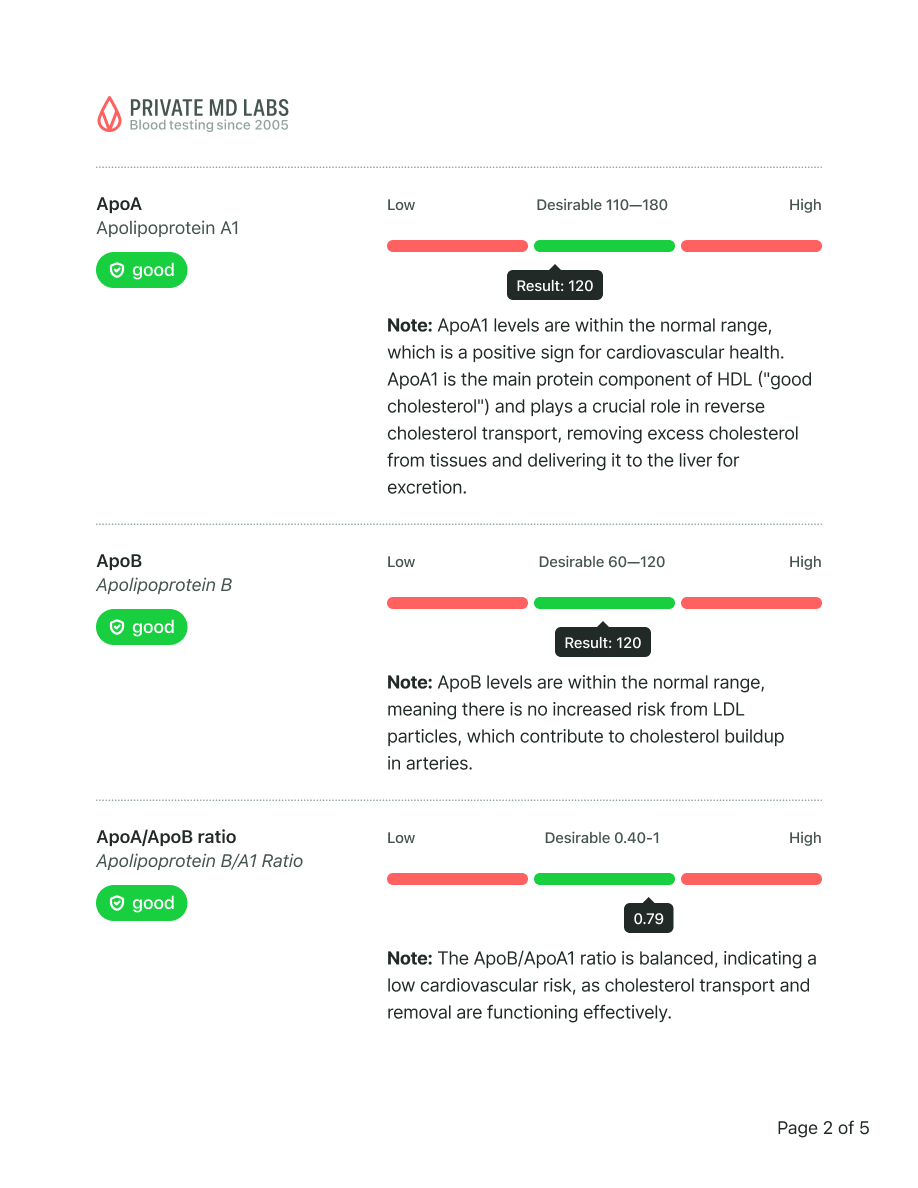
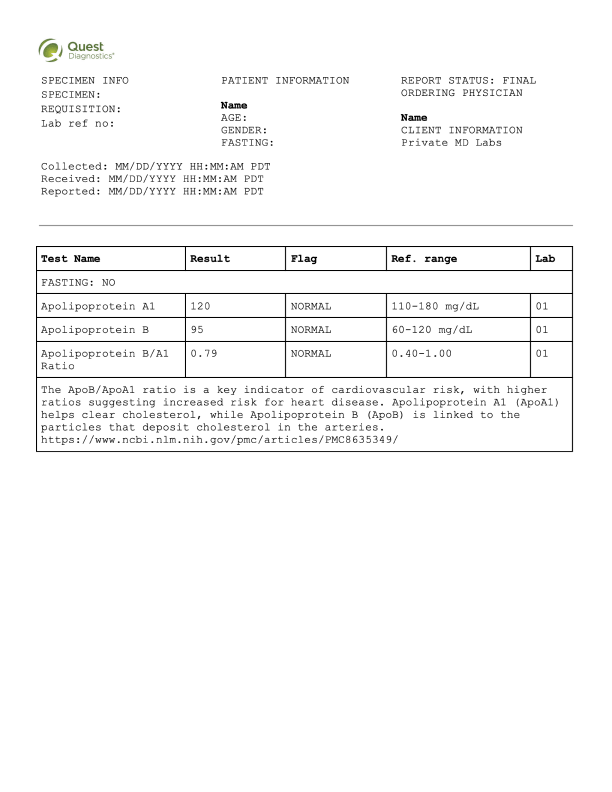
Sample results
Complement Component 4 Deficiency is a rare genetic disorder that impairs the immune system's ability to fight infections and clear immune complexes. It is caused by genetic mutations that prevent the body from producing adequate amounts of the C4 protein, a critical component of the complement system. The Complement Component C4c blood test is the most important test for diagnosis because it directly measures C4 protein levels in the blood.
Complement Component 4 Deficiency is caused by genetic mutations in the C4A and C4B genes that prevent the body from producing adequate amounts of the C4 protein. This protein is part of the complement system, which helps your immune system destroy pathogens and clear immune complexes from the body. The condition is inherited in an autosomal recessive pattern, meaning you need to inherit defective genes from both parents to develop complete deficiency, though partial deficiency can occur with just one affected gene.
The Complement Component C4c blood test is the most important test for Complement Component 4 Deficiency because it directly measures the levels of C4 protein circulating in your blood. People with this genetic disorder show characteristically low or absent C4c levels because their bodies cannot produce enough of this critical immune protein. This test provides definitive evidence of C4 deficiency and helps distinguish it from other complement disorders. Your healthcare provider may also order additional complement tests like CH50 (total complement activity) to assess overall complement system function.
You should get tested if you experience frequent bacterial infections, particularly respiratory or sinus infections that keep coming back. Testing is also important if you have been diagnosed with autoimmune conditions like lupus or experience unexplained inflammation, especially if you have a family history of immune disorders. Early diagnosis helps you and your doctor develop appropriate treatment strategies to prevent complications and manage infections effectively.
What this means
Your testosterone levels are slightly below the optimal range. While this is not necessarily cause for concern, it may contribute to occasional fatigue, reduced motivation, or lower muscle mass over time.
Recommended actions
Increase resistance or strength training
Prioritize 7–8 hours of quality sleep per night, try to reduce stress
Include more zinc- and magnesium-rich foods (like shellfish, beef, pumpkin seeds, spinach)
Consider retesting in 3–6 months
Not overhyped or overpriced. Just comprehensive blood testing made simple and for everyone.
Sample results
Your 24/7 Lab Guide
Quick questions: