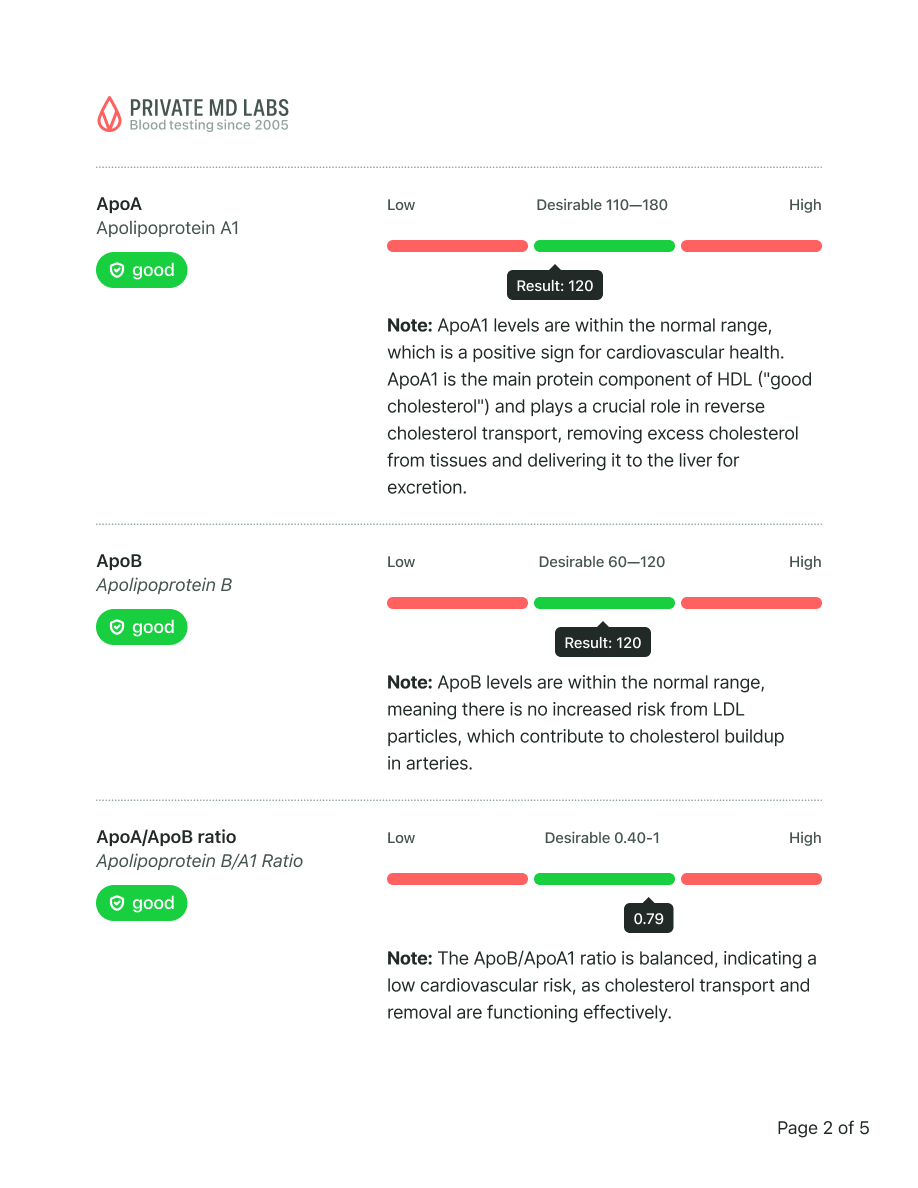
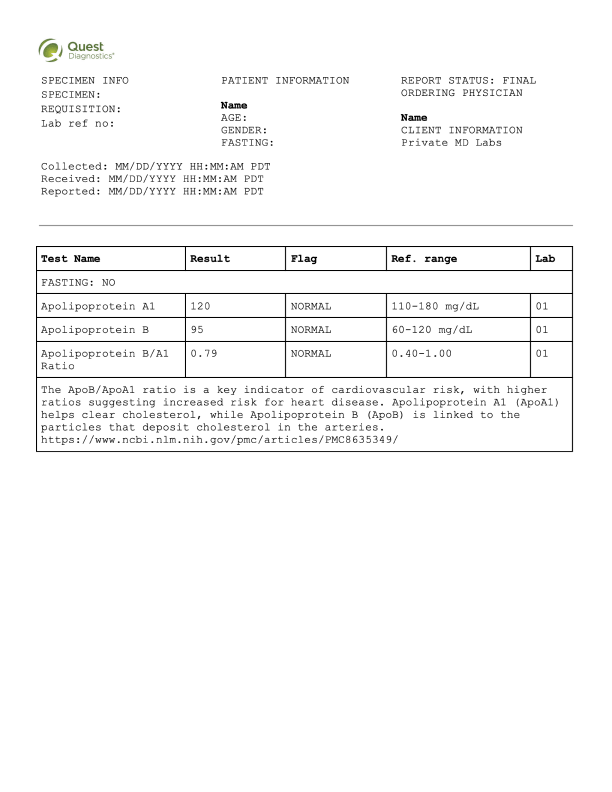
Sample results
Common Variable Immunodeficiency (CVID) is a primary immune disorder characterized by significantly reduced levels of immunoglobulins (antibodies) in the blood. It is caused by genetic defects that impair B cells from producing adequate amounts of IgG, IgA, and sometimes IgM antibodies. The IgG, IgA, Indirect Immunofluorescence test is the most important test for diagnosis because it measures multiple immunoglobulin levels simultaneously to confirm antibody deficiency.
Common Variable Immunodeficiency is caused by genetic mutations that affect B cells, preventing them from maturing properly and producing adequate antibodies. While the exact genetic defects vary between individuals, these mutations impair the immune system's ability to make immunoglobulins like IgG, IgA, and IgM. Without sufficient antibodies, your body cannot effectively fight off bacteria, viruses, and other pathogens, leading to recurrent infections throughout life.
The IgG, IgA, Indirect Immunofluorescence test is the most important test for Common Variable Immunodeficiency because it measures multiple critical antibody levels in a single comprehensive panel. This test detects significantly reduced levels of IgG and IgA immunoglobulins, which are the hallmark findings needed to confirm CVID diagnosis. The IgA test can also be used as a supplementary measure to specifically assess Immunoglobulin A deficiency, which contributes to increased susceptibility to respiratory and gastrointestinal infections. Together, these tests provide the essential antibody measurements that distinguish CVID from other causes of recurrent infections.
You should get tested if you experience frequent bacterial infections like pneumonia, bronchitis, or sinus infections that keep coming back despite treatment. Testing is also important if you have chronic diarrhea, ear infections that won't resolve, or unusual infections that healthy people rarely get. Adults who suddenly develop recurrent infections in their 20s or 30s, or children with persistent infections affecting the lungs, ears, or sinuses should consider immunoglobulin testing to identify potential antibody deficiencies early.
What this means
Your testosterone levels are slightly below the optimal range. While this is not necessarily cause for concern, it may contribute to occasional fatigue, reduced motivation, or lower muscle mass over time.
Recommended actions
Increase resistance or strength training
Prioritize 7–8 hours of quality sleep per night, try to reduce stress
Include more zinc- and magnesium-rich foods (like shellfish, beef, pumpkin seeds, spinach)
Consider retesting in 3–6 months
Not overhyped or overpriced. Just comprehensive blood testing made simple and for everyone.
Sample results
Your 24/7 Lab Guide
Quick questions: