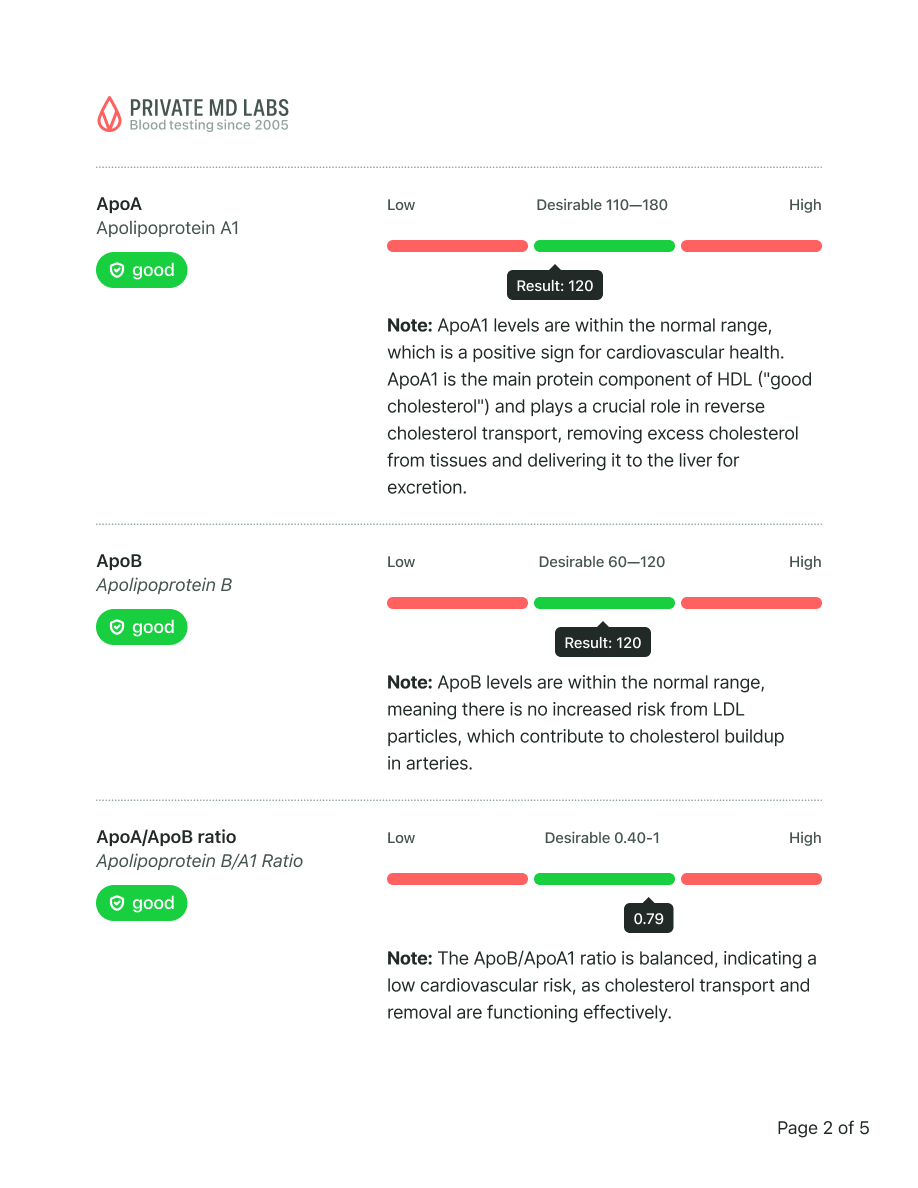
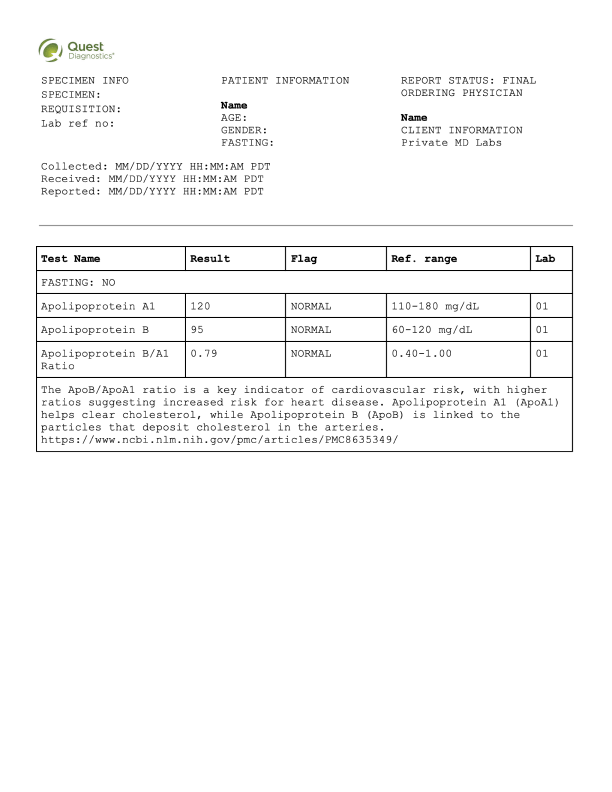
Sample results
Colon cancer is a malignant tumor that develops in the large intestine or rectum. It is caused by abnormal cell growth in the colon lining, often starting as polyps that become cancerous over time. The Folate RBC test is the most important supportive blood test for monitoring nutritional factors associated with colon cancer risk.
Colon cancer is caused by mutations in the DNA of cells in the colon lining that lead to uncontrolled cell growth. These mutations can develop from inherited genetic syndromes like Lynch syndrome or familial adenomatous polyposis, but most colon cancers are sporadic and develop over time from polyps. Risk factors include age over 50, family history, inflammatory bowel disease, high-fat low-fiber diets, smoking, heavy alcohol use, obesity, and sedentary lifestyle.
The colonoscopy is the most important diagnostic test for colon cancer because it allows direct visualization of the entire colon and enables doctors to detect polyps, tumors, and abnormal tissue while simultaneously taking biopsies for definitive diagnosis. While colonoscopy remains the gold standard, the Folate RBC test serves as an essential supportive blood test that measures folate levels in red blood cells to assess nutritional factors that research suggests may be associated with colon cancer risk. Blood tests cannot diagnose colon cancer itself but help monitor overall health and nutritional status during cancer care.
You should get tested if you are age 45 or older, as routine screening is recommended starting at this age. Get tested sooner if you notice persistent changes in bowel habits, blood in your stool, unexplained weight loss, persistent abdominal pain or cramping, or constant fatigue and weakness. Testing is also urgent if you have a family history of colon cancer, inflammatory bowel disease like Crohn's disease or ulcerative colitis, or inherited genetic syndromes that increase cancer risk.
What this means
Your testosterone levels are slightly below the optimal range. While this is not necessarily cause for concern, it may contribute to occasional fatigue, reduced motivation, or lower muscle mass over time.
Recommended actions
Increase resistance or strength training
Prioritize 7–8 hours of quality sleep per night, try to reduce stress
Include more zinc- and magnesium-rich foods (like shellfish, beef, pumpkin seeds, spinach)
Consider retesting in 3–6 months
Not overhyped or overpriced. Just comprehensive blood testing made simple and for everyone.
Sample results
Your 24/7 Lab Guide
Quick questions: