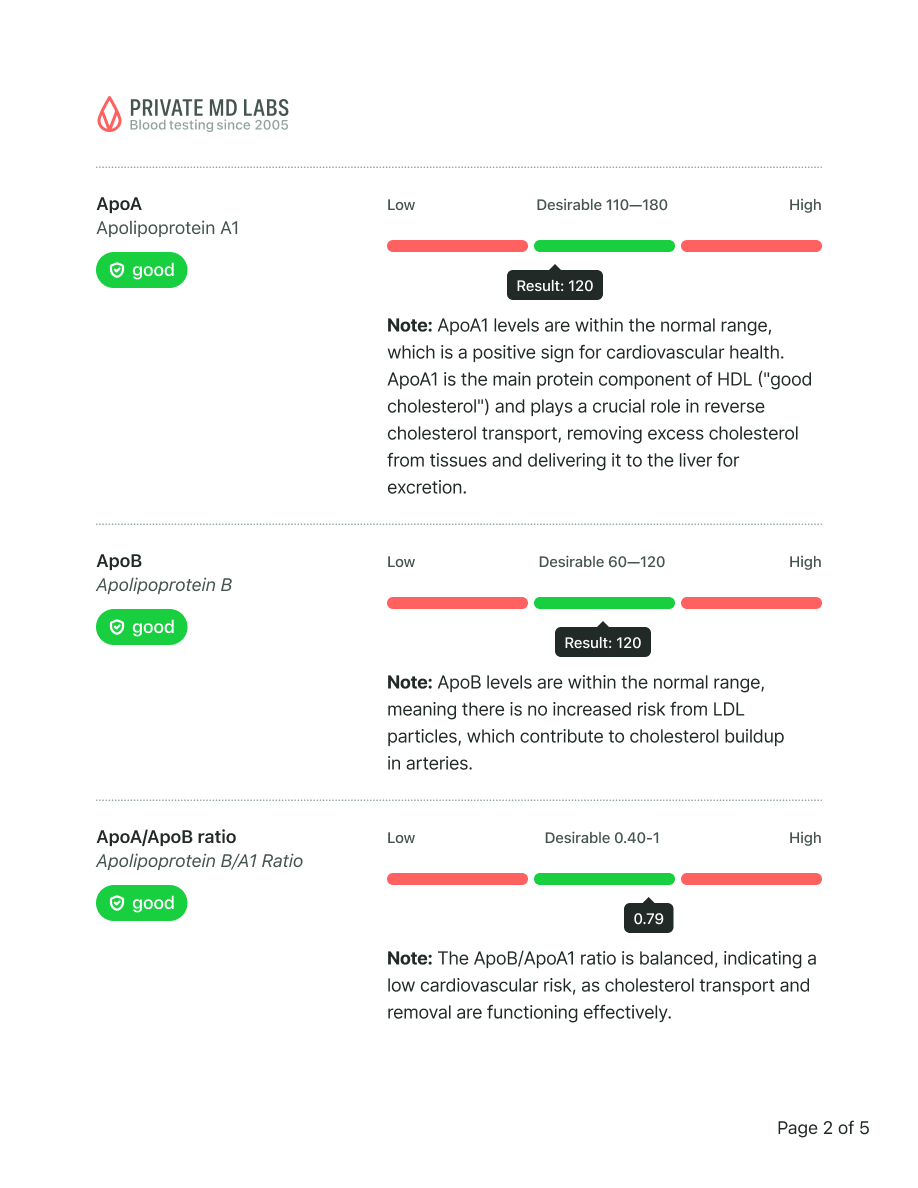
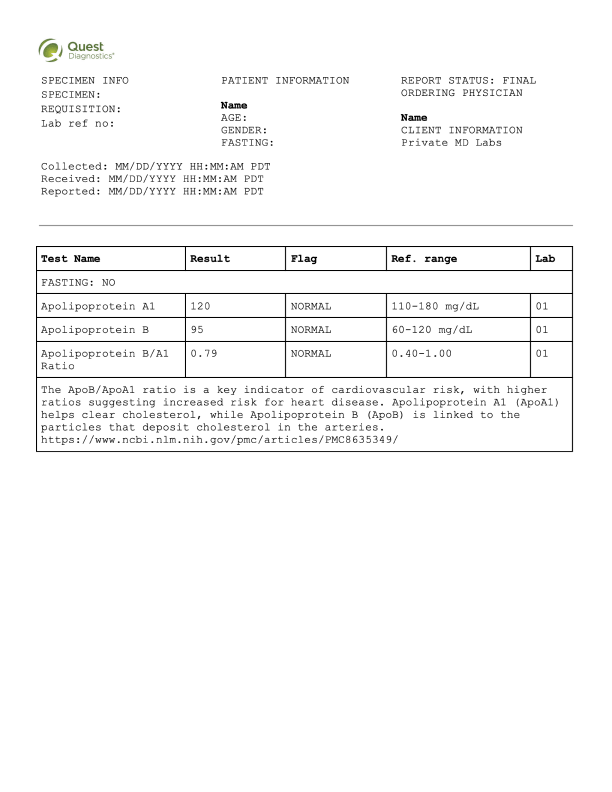
Sample results
Clotting disorders are conditions that affect the blood's ability to form clots properly, leading to either excessive bleeding or abnormal clot formation. These disorders are caused by deficiencies in clotting factors such as Factor VIII (hemophilia A), Factor IX (hemophilia B), or von Willebrand factor, or by conditions affecting the liver's production of clotting proteins. The Prothrombin Time (PT) with INR is the most important test for diagnosing clotting disorders and monitoring bleeding risk.
Clotting disorders are caused by deficiencies or abnormalities in clotting factors, which are proteins in your blood that help form clots. Hemophilia A results from deficiency of Factor VIII, hemophilia B from deficiency of Factor IX, and von Willebrand disease from problems with von Willebrand factor. These disorders can be inherited genetically from your parents or acquired later in life due to liver disease, vitamin K deficiency, autoimmune conditions, or side effects from blood-thinning medications like warfarin.
The Prothrombin Time (PT) with INR is the most important test for clotting disorders because it measures how long it takes your blood to clot and identifies bleeding risks. This test detects deficiencies in several clotting factors and is essential for diagnosing conditions like hemophilia and von Willebrand disease. A high INR value indicates prolonged clotting time, which means your blood takes longer to clot and you have an increased risk of bleeding. This test is also critical for monitoring people taking blood-thinning medications to ensure safe dosing.
You should get tested if you experience frequent nosebleeds that are hard to stop, bruise easily from minor bumps, have prolonged bleeding after cuts or dental procedures, notice blood in your urine or stool, or have heavy menstrual periods. Testing is also important if you have a family history of bleeding disorders, are planning surgery, or are starting blood-thinning medications. Getting tested early helps identify bleeding risks before they lead to serious complications like internal bleeding or excessive blood loss during medical procedures.
What this means
Your testosterone levels are slightly below the optimal range. While this is not necessarily cause for concern, it may contribute to occasional fatigue, reduced motivation, or lower muscle mass over time.
Recommended actions
Increase resistance or strength training
Prioritize 7–8 hours of quality sleep per night, try to reduce stress
Include more zinc- and magnesium-rich foods (like shellfish, beef, pumpkin seeds, spinach)
Consider retesting in 3–6 months
Not overhyped or overpriced. Just comprehensive blood testing made simple and for everyone.
Sample results
Your 24/7 Lab Guide
Quick questions: