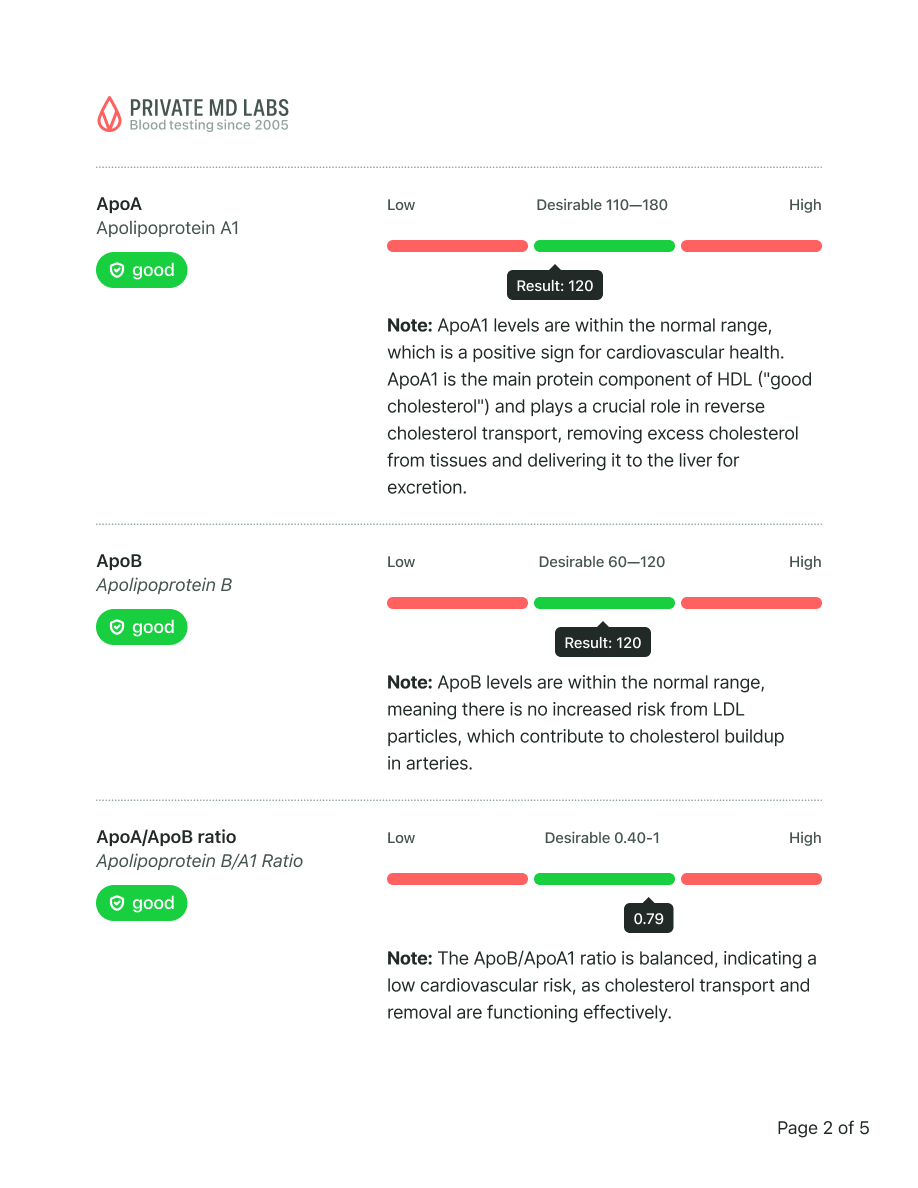
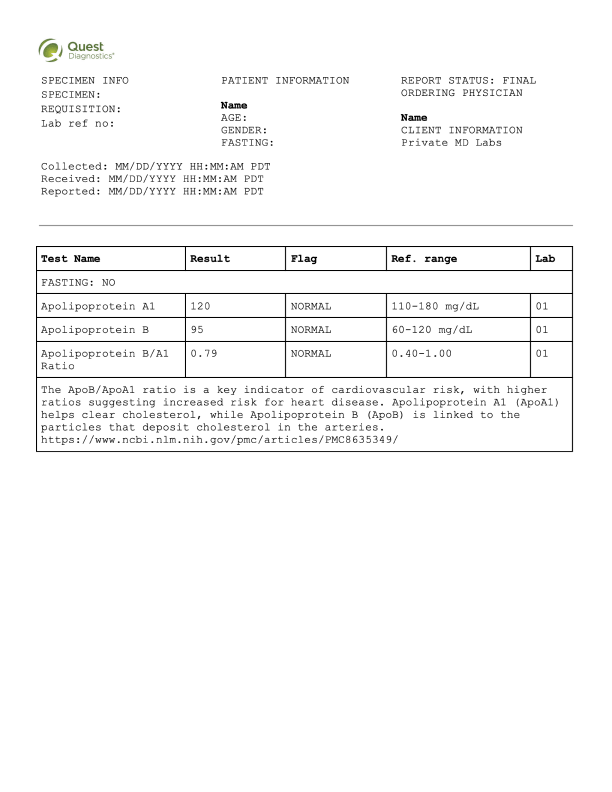
Sample results
Chronic manganese overexposure is a toxic condition caused by prolonged exposure to elevated manganese levels in occupational or environmental settings. It is caused by inhaling or ingesting excessive manganese dust or fumes from welding, mining, steel production, or battery manufacturing. The Manganese, Serum test is the most important test for diagnosis because it directly measures blood manganese concentrations to assess current exposure levels.
Chronic manganese overexposure is caused by prolonged inhalation or ingestion of manganese dust, fumes, or particles in occupational and environmental settings. Welders, miners, steel production workers, and battery manufacturing employees face the highest risk due to direct contact with manganese-containing materials. Living near manganese-emitting facilities such as ferroalloy plants or certain industrial sites can also lead to environmental exposure through contaminated air or water.
The Manganese, Serum test is the most important test for chronic manganese overexposure because it directly measures the concentration of manganese in your blood serum, providing critical information about your current exposure levels. This test is essential for confirming whether you have elevated manganese levels that could lead to serious neurological complications such as tremors, difficulty walking, muscle rigidity, and facial spasms that mimic Parkinson's disease. Early detection through blood testing allows for prompt removal from exposure sources and appropriate medical intervention before permanent neurological damage occurs.
You should get tested if you work in welding, mining, steel production, battery manufacturing, or any industry where manganese exposure is common and you notice neurological symptoms. Get tested immediately if you experience unexplained tremors, difficulty walking, muscle stiffness, slowed movements, balance problems, or facial muscle spasms. Workers in high-risk occupations should consider regular screening even without symptoms, and anyone living near manganese-emitting industrial facilities who develops neurological changes should also pursue testing.
What this means
Your testosterone levels are slightly below the optimal range. While this is not necessarily cause for concern, it may contribute to occasional fatigue, reduced motivation, or lower muscle mass over time.
Recommended actions
Increase resistance or strength training
Prioritize 7–8 hours of quality sleep per night, try to reduce stress
Include more zinc- and magnesium-rich foods (like shellfish, beef, pumpkin seeds, spinach)
Consider retesting in 3–6 months
Not overhyped or overpriced. Just comprehensive blood testing made simple and for everyone.
Sample results
Your 24/7 Lab Guide
Quick questions: