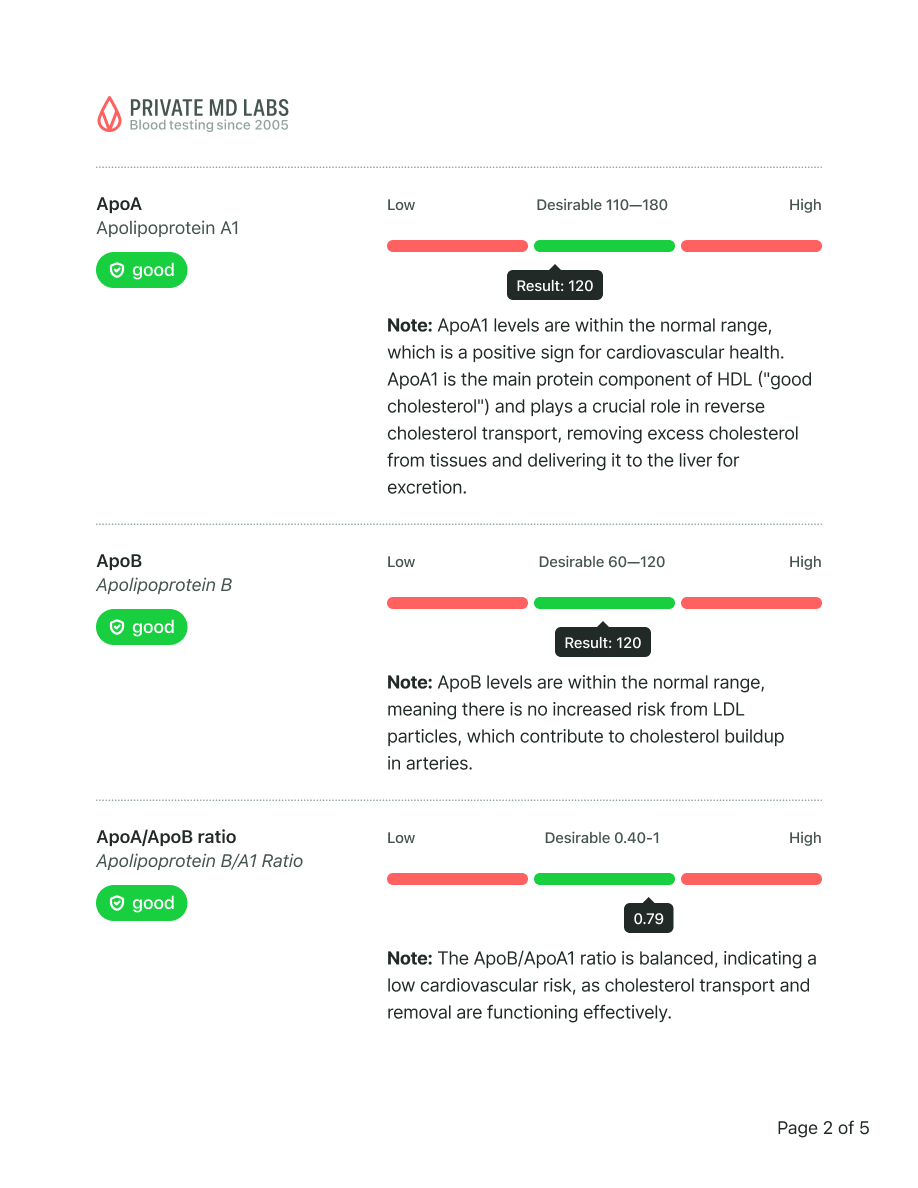
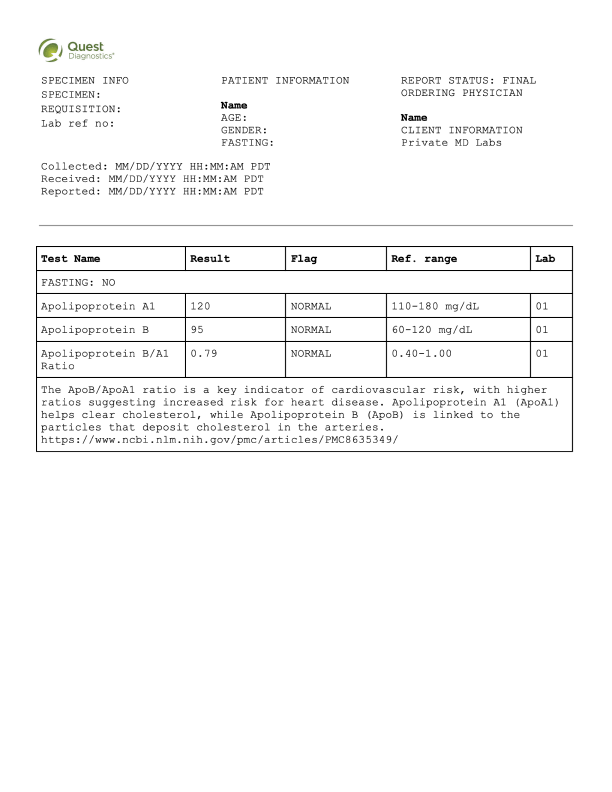
Sample results
Chromium poisoning is a toxic condition caused by excessive accumulation of chromium in the body. It results from prolonged exposure to hexavalent chromium (chromium-6) in industrial settings, contaminated water, or occupational environments. The Chromium Urine Test is the most important test for diagnosis as it directly measures chromium levels excreted by the body.
Chromium poisoning is caused by excessive exposure to hexavalent chromium (chromium-6), a toxic form of the metal found in industrial processes. Workers in welding, electroplating, leather tanning, and chromate production facilities face the highest risk. Environmental contamination can also occur through polluted drinking water near industrial sites or from improper disposal of chromium-containing waste, leading to toxic accumulation in the body over time.
The Chromium Urine Test is the most important test for chromium poisoning because it directly measures the amount of chromium being excreted from your body, which reflects your recent exposure levels. This test is specifically designed to detect elevated chromium concentrations that indicate toxic exposure. Unlike blood tests that only show very recent exposure, urine testing provides a more comprehensive picture of chromium accumulation in your system and is the gold standard for confirming chromium toxicity in both occupational and environmental exposure cases.
You should get tested if you work in industries that use chromium compounds such as welding, metal plating, or leather tanning. Testing is also important if you experience unexplained respiratory problems, persistent skin irritation, nasal ulcers, or digestive issues after potential exposure. If you live near industrial facilities that use chromium or have concerns about contaminated water sources, prompt testing can identify toxic levels before serious health complications develop.
What this means
Your testosterone levels are slightly below the optimal range. While this is not necessarily cause for concern, it may contribute to occasional fatigue, reduced motivation, or lower muscle mass over time.
Recommended actions
Increase resistance or strength training
Prioritize 7–8 hours of quality sleep per night, try to reduce stress
Include more zinc- and magnesium-rich foods (like shellfish, beef, pumpkin seeds, spinach)
Consider retesting in 3–6 months
Not overhyped or overpriced. Just comprehensive blood testing made simple and for everyone.
Sample results
Your 24/7 Lab Guide
Quick questions: