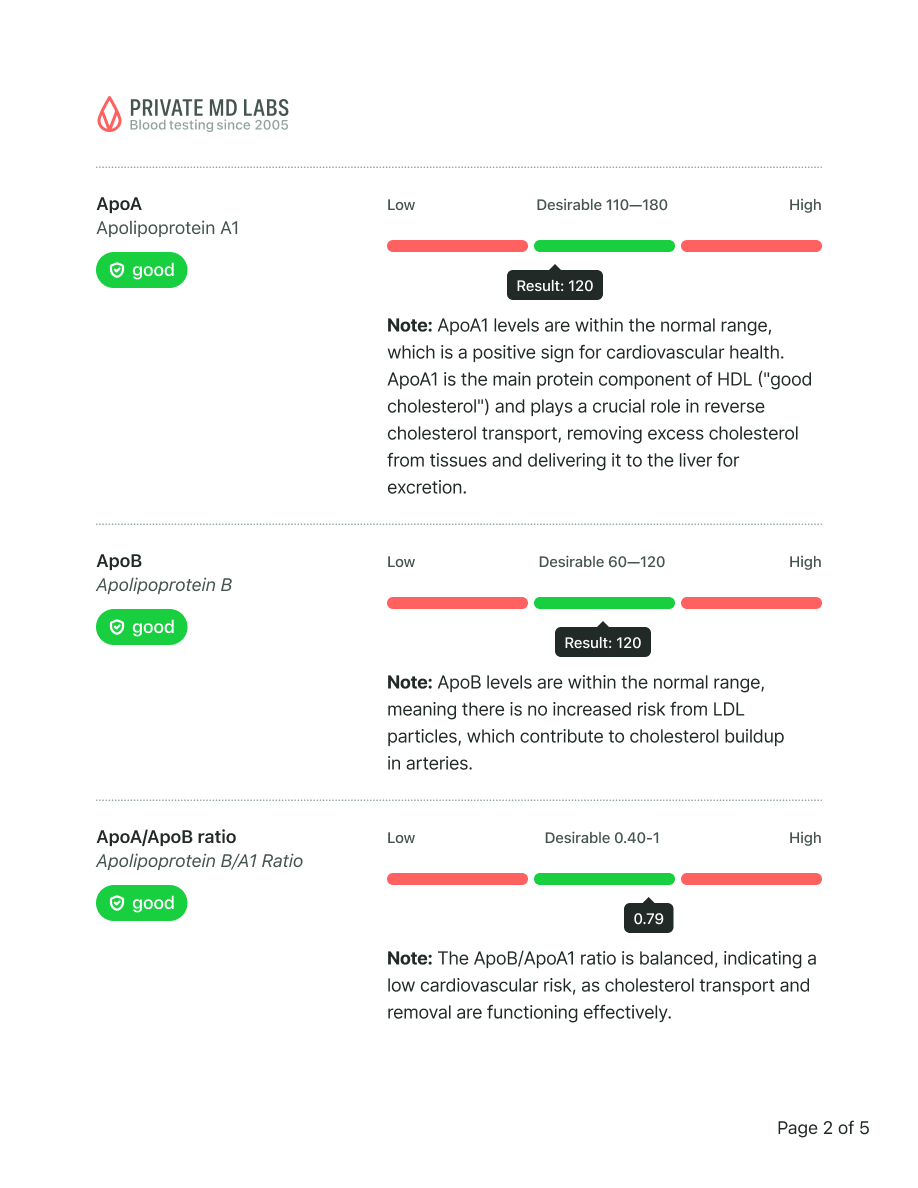
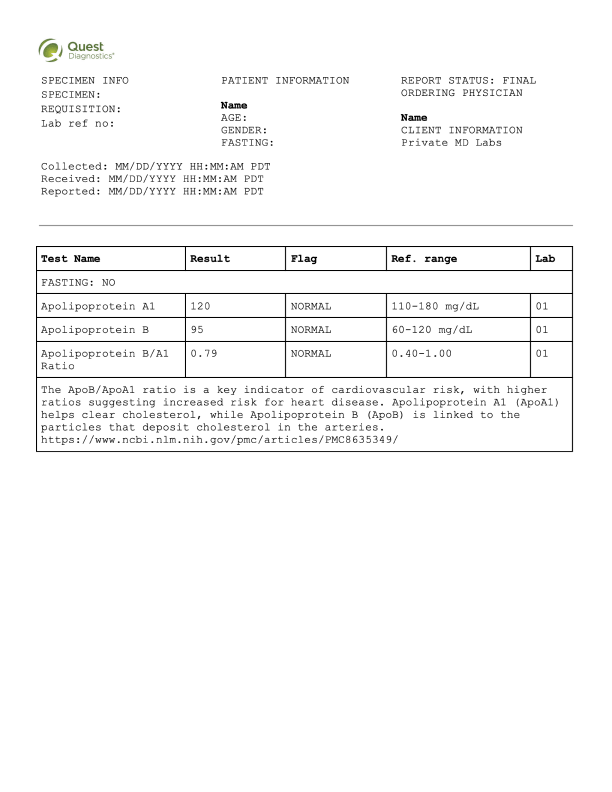
Sample results
Chromium deficiency is a rare nutritional condition that impairs glucose metabolism and insulin sensitivity. It is caused by inadequate dietary chromium intake, prolonged total parenteral nutrition without supplementation, or severe malnutrition. The Chromium 24-Hour Urine test is the most important test for diagnosis as it comprehensively measures chromium excretion and deficiency status.
Chromium deficiency is caused by inadequate dietary chromium intake, prolonged total parenteral nutrition (IV feeding) without adequate chromium supplementation, or severe malnutrition. While chromium is found in foods like broccoli, whole grains, and meats, individuals receiving long-term intravenous nutrition are at highest risk because standard IV solutions may lack sufficient chromium. Severe digestive disorders that impair nutrient absorption can also lead to deficiency over time.
The Chromium 24-Hour Urine test is the most important test for chromium deficiency because it measures the total amount of chromium your body excretes over a full day, providing the most accurate assessment of your chromium status. This test detects low chromium levels that may be causing glucose metabolism problems and insulin resistance. Unlike blood tests that show only a snapshot, the 24-hour urine collection gives a comprehensive view of how your body processes and eliminates chromium, making it the gold standard for identifying deficiency states.
You should get tested if you have unexplained glucose intolerance or insulin resistance that resembles type 2 diabetes, especially if you have been receiving total parenteral nutrition for an extended period. Testing is also important if you experience symptoms like elevated blood sugar levels, increased thirst, or fatigue despite normal diabetes testing. Individuals with severe malnutrition or those who have undergone prolonged IV feeding without nutritional monitoring should consider testing to rule out chromium deficiency.
What this means
Your testosterone levels are slightly below the optimal range. While this is not necessarily cause for concern, it may contribute to occasional fatigue, reduced motivation, or lower muscle mass over time.
Recommended actions
Increase resistance or strength training
Prioritize 7–8 hours of quality sleep per night, try to reduce stress
Include more zinc- and magnesium-rich foods (like shellfish, beef, pumpkin seeds, spinach)
Consider retesting in 3–6 months
Not overhyped or overpriced. Just comprehensive blood testing made simple and for everyone.
Sample results
Your 24/7 Lab Guide
Quick questions: